Android 16 Update: More Than Just a Pixel Polish? A Critical Look
Google just pushed out another Android 16 update, and naturally, the Pixel line gets it first. This mid-cycle refresh boasts Material 3 enhancements, improved parental controls, and the usual collection of tweaks impacting most Android devices. But is this a genuine leap forward, or just another calculated move in Google’s ongoing Android game? Let’s dissect the developments.
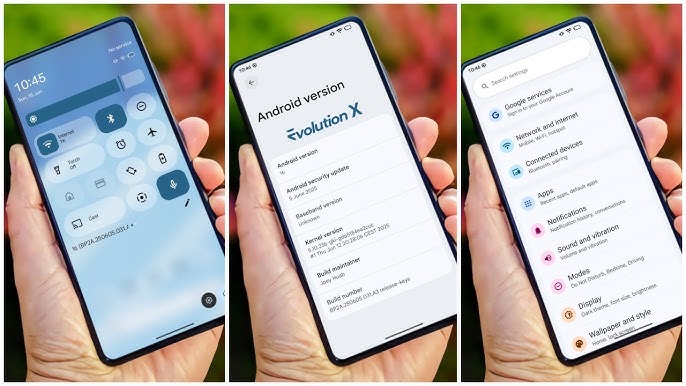
The headline grabber, at least for Pixel users, concerns Material 3. Expressive theming landed earlier, but now Google promises greater consistency. The promise is automated theming of all icons, even legacy ones, alongside wider dark mode support. We’re talking system-wide visual harmony. It’s worth asking, however: Is this the level of polish we should expect years into Material Design’s lifespan? Shouldn’t true dark mode support already be universal at this point? It feels less like innovation and more like catching up. >
>
Then there’s the parental control upgrade. Direct on-device management – setting PINs for screen time and app usage – strikes me as a sensible simplification. Previously, the multi-device dance was cumbersome. Still, this addition prompts the question: Why did it take so long? Parental controls are a fundamental requirement in today’s mobile landscape, and this feels more like a necessary correction than a groundbreaking feature.
Beyond the Pixel-specific glitter, the update brings changes aimed at the wider Android ecosystem. Chrome for Android finally gets tab pinning, a feature desktop users have enjoyed for ages. Fine, but again, hardly revolutionary. Google Messages gains spam protection for group chats, offering an easy out for unwanted invitations. This feels like addressing a pain point we’ve all experienced.
The Google Dialer is getting a “reason” feature, allowing you to mark calls as “Urgent.” The idea? Bypass voicemail and signal importance. It sounds useful, yes, but I can already foresee potential for abuse. Expect to see “Urgent” labels on everything from telemarketers to that friend who “absolutely needs to tell you something.” The ultimate impact hinges on user behavior, and history suggests caution.>
Android Updates: A Familiar Pattern Emerges
Having watched these updates roll out for years, a certain pattern always seems to surface. Google throws some shiny new toys at the Pixel line to maintain the perception of leadership. Features drip down to the wider Android world in a somewhat staggered fashion. The core functionality improvements often feel like they’re playing catch-up rather than pushing the envelope.
It’s easy to understand why Google structures things this way. Pixels serve as a testing ground, a showcase for Android’s potential. The broader updates keep the entire ecosystem humming, even if progress feels incremental. But the inherent delays and uneven feature distribution can leave users of non-Pixel devices feeling like second-class citizens.
The Fragmentation Factor
Android fragmentation remains a major complication. Rolling out universal changes across a vast array of devices, manufacturers, and Android versions is a monumental undertaking. It introduces endless opportunities for bugs and inconsistencies. This challenge explains why Google often opts for a phased rollout, prioritizing its own hardware.
This cautious approach comes with tradeoffs. While it minimizes risk, it also hinders innovation and perpetuates the fragmentation problem. Users stuck on older devices or relying on manufacturers with sluggish update cycles miss out on the latest features and security patches. This divide contributes to a less-than-ideal user experience for a substantial portion of the Android community.
Google’s Balancing Act
To be fair, Google faces a constant balancing act. They must innovate, maintain security, support a diverse ecosystem, and satisfy the demands of both users and manufacturers. No easy feat. The Android 16 update, in many ways, reflects this complexity. It showcases improvements but it also hints at the constraints shaping Android’s evolution.
Given these facts, one thing is certain: the future of Android depends on how Google tackles these ongoing difficulties. Addressing fragmentation, accelerating updates for all devices, and prioritizing genuinely innovative features are all crucial. The Android 16 update provides a glimpse into Google’s current approach. It’s up to us to scrutinize it, analyze it, and push for a more unified, more equitable, and more innovative Android experience for everyone. Ultimately, it’s about making sure everyone has access to the best of what Android has to offer, not just those who own the latest Pixel. That is the true test of Google’s commitment to the Android ecosystem.



![[post_title]](https://samony.com.ng/wp-content/uploads/2025/12/1764752038_Gary-Lineker-to-appear-on-Netflix-in-2026-World-Cup-300x202.jpg?lm=692FFAA9 "Lineker on Netflix? This Changes Everything About How We Watch Football.")