

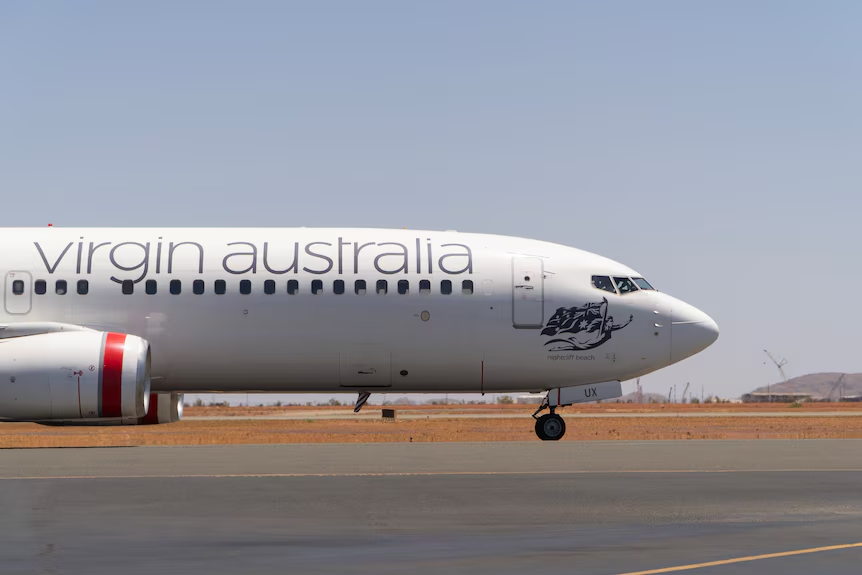
A recent Virgin Australia flight to Western Australia’s Pilbara region experienced a dramatic mid-air medical emergency when a passenger, Andrew Rawle, went into anaphylactic shock. Fortunately, the quick thinking and selfless actions of the flight crew and another passenger averted a potential tragedy. This incident highlights the critical importance of preparedness and swift response in aviation emergencies.
The ordeal began shortly after takeoff when Mr. Rawle consumed a plate of cheese and crackers offered by the cabin crew. Despite having no known allergies to these specific items, he soon felt his throat constricting, a clear sign of anaphylaxis. Recognizing the severity of his reaction, he immediately retrieved his EpiPen from his hand luggage.
How to respond to an anaphylactic reaction on a plane is a crucial skill for cabin crew and passengers alike. The immediate administration of an EpiPen is often the first line of defense against a severe allergic reaction, helping to open airways and stabilize the patient.
After administering the EpiPen to himself, Mr. Rawle began to regain some breathing capacity. However, the danger was not yet over. Approximately twenty minutes later, he experienced another wave of symptoms, with his throat tightening once more. This second episode underscored the unpredictable nature of anaphylactic shock.
At this point, the flight crew escalated their response. They provided Mr. Rawle with oxygen and initiated a search for a medical professional on board. When no doctor was available, they made a public announcement, asking if anyone had an EpiPen they could provide.
It was during this critical moment that a fellow passenger, a stranger to Mr. Rawle, stepped forward. She pressed the call button and offered her EpiPen, which Mr. Rawle used on his other leg. This act of kindness and quick thinking by another passenger was instrumental in managing the escalating medical crisis.
Despite the administered EpiPens, the situation remained precarious. Mr. Rawle knew another severe reaction was possible, and the flight was still a considerable distance from its destination. The pilots, understanding the urgency, decided to increase the aircraft’s speed, making what passengers described as a “roller coaster ride” to reach Newman faster.
The decision to prioritize speed over a potential diversion to a closer airport demonstrated the crew’s commitment to getting Mr. Rawle to medical facilities as quickly as possible. This swift action was crucial given the ongoing threat of anaphylaxis.
Upon arrival in Newman, a waiting ambulance immediately attended to Mr. Rawle, providing further adrenaline before he was transported to Newman Hospital. This seamless handover ensured he received continuous medical care after the challenging flight.
Mr. Rawle expressed immense gratitude to the flight crew and the passenger who provided the EpiPen, stating that without their interventions, he might not have survived. He described the passenger who gave him the EpiPen as a “wonderful, wonderful person” and sought to thank her personally after his recovery.
Virgin Australia has indicated that cabin crew are trained in managing anaphylaxis as part of their aviation medicine curriculum. It is important to note that EpiPens are not standard equipment in onboard first-aid kits, and passengers with severe allergies are strongly advised to carry their own medication and inform the airline of their condition prior to flying.
The incident also sparked theories about the cause of the severe reaction, as Mr. Rawle believed he had only consumed allergen-free food. He speculated that a possible explanation could be contamination from a safety information card on the new aircraft, or from contact with items in the seat pocket. This has led him to adopt more stringent precautions for future travel, including wearing gloves and masks and carrying multiple EpiPens.
This event serves as a powerful reminder of the unpredictable nature of severe allergies and the vital role that well-trained airline staff and compassionate fellow passengers play in ensuring safety during air travel. The collaborative effort on this Virgin flight exemplifies the best of human response in a crisis.









