


Ruben Amorim, the manager of Manchester United, has recently demonstrated a significant departure from his previously unyielding tactical philosophy, adopting a back-four system after 13 months of steadfast adherence to a 3-4-3 formation. This tactical volte-face, prompted by a challenging period for the club, appears to have immediately yielded positive results and a renewed sense of purpose on the pitch, contrasting sharply with the struggles endured under his prior rigid approach.
United’s last two fixtures at Old Trafford provide a compelling case study for this adaptability. Against Bournemouth, Amorim deployed a 4-4-2 system, resulting in a thrilling 4-4 draw that showcased perhaps the team’s most vibrant attacking display of the season. Following this, a 4-2-3-1 formation was instrumental in securing a resolute 1-0 victory over Newcastle, marking what many observers consider their most defiant defensive effort of the campaign.
For much of his tenure, Amorim’s reign at Old Trafford was defined by an almost exclusive reliance on the 3-4-3 formation. This unwavering commitment often drew criticism, with many suggesting it became a tactical straitjacket for the team, frequently failing to produce desired outcomes. The manager’s perceived stubbornness in maintaining this shape, despite mounting evidence of its limitations, had become a recurring point of contention among pundits and fans alike.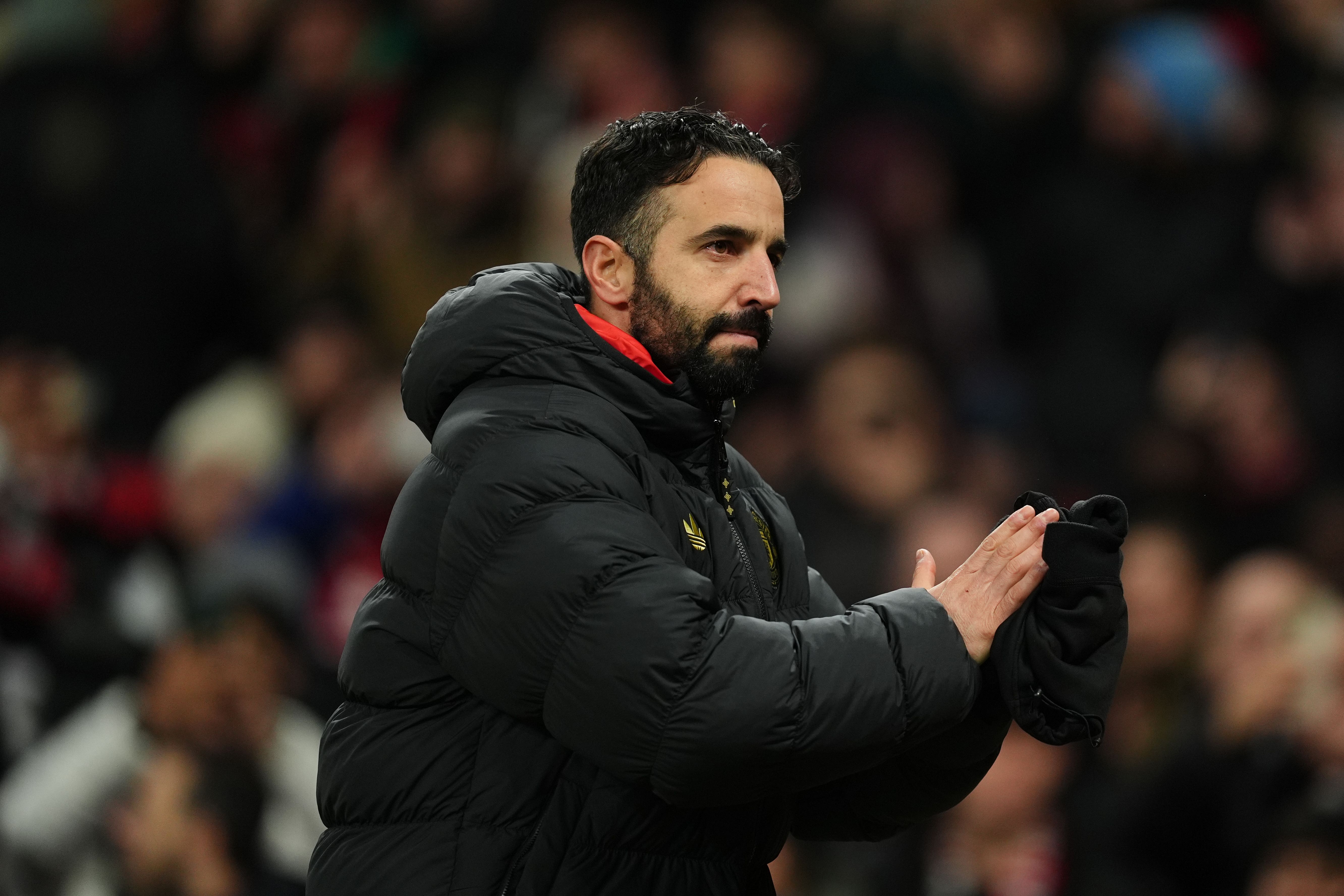
However, in the wake of the Bournemouth match, Amorim hinted at a tactical shift, discussing a back four on Christmas Eve before implementing it on Boxing Day. This change represents a considerable reversal from his previous stance in August, when he stated he would only alter the team’s shape once players had perfected the 3-4-3 system to the point of executing it with their eyes closed. Recent performances against Everton and West Ham, among others, offered little indication that such mastery had been achieved.
The benefits of this newfound flexibility have been immediate and tangible. The shift to a back four has enabled players like Amad Diallo to operate in more natural attacking winger roles, rather than being confined to wing-back positions. This change contributed to United’s 25 shots against Bournemouth, illustrating an improved ability to commit more players forward and create offensive opportunities. Conversely, against Newcastle, the simpler defensive structure of two banks of four proved highly effective in managing a depleted squad.
Amorim’s adaptation was not merely a philosophical revelation but also a pragmatic response to challenging circumstances. A squad significantly affected by injuries and the African Cup of Nations necessitated a re-evaluation of tactics. With key players like Bruno Fernandes unavailable, the new formations allowed for better protection of the two defensive midfielders, Manuel Ugarte and Casemiro, preventing them from being unduly exposed to stronger opposing midfields.
Yet, the belated nature of this tactical evolution raises questions about the preceding 13 months. Critics argue that such a shift could have occurred much earlier, potentially benefiting Manchester United significantly. The 3-4-3 system often seemed ill-suited to many players inherited by Amorim, including Amad, Diogo Dalot, Noussair Mazraoui, and the now-departed Marcus Rashford and Alejandro Garnacho, none of whom thrived in its specific demands.
Indeed, the consistent attempts to force players into roles that did not align with their strengths under the 3-4-3 system often left United vulnerable, outnumbered in midfield, or lacking sufficient presence in attack or on the flanks. This rigid adherence to doctrine, described by some as a “failure of philosophy,” arguably crippled the team, testing a theory by refusing to acknowledge the validity of alternative approaches.
While Manchester United’s struggles have been multifaceted, encompassing issues such as Erik ten Hag’s tumultuous final period, poor recruitment strategies, a culture of underachievement, and boardroom decisions, Amorim’s tactical inflexibility undeniably compounded these problems. The club’s 15th-place finish last season, compared to a potential top-eight position had a back four been consistently deployed, underscores the cost of this obstinacy.
The contrast is stark: last December, employing the 3-4-3, United suffered defeats at Old Trafford against both Bournemouth and Newcastle. Now, from the corresponding fixtures, they have secured four points. This turnaround in fortunes highlights the significant positive impact of Amorim’s belated, but crucial, decision to embrace adaptability and evolve his tactical approach for the betterment of the team.
This demonstration of flexibility, though long overdue, offers Manchester United a renewed sense of direction and hope. The willingness to abandon a previously sacrosanct system for one that better suits the available personnel and prevailing circumstances suggests a pragmatic shift that could define the club’s trajectory moving forward, moving beyond past philosophical constraints towards a more results-oriented future.









