

![[post_title]](https://samony.com.ng/wp-content/uploads/2025/12/1766138574_BBC-presenter-dubs-Tommy-Fury-influencer-like-Jake-Paul-instead-1024x538.jpg?lm=694522D0)
BBC presenter Amol Rajan has ignited a debate within the boxing community by categorising professional boxer Tommy Fury as an “influencer,” aligning him with social media personalities Jake and Logan Paul. These remarks, made during a discussion on the impending high-profile bout between YouTuber Jake Paul and former heavyweight champion Anthony Joshua, challenge Fury’s established identity as a pugilist. The comments underscore the ongoing tension between traditional boxing and the burgeoning world of celebrity crossover fights, where social media reach often rivals athletic prowess in generating interest and revenue.
Rajan’s controversial classification emerged during an interview with boxing pundit Steve Bunce on BBC Radio 4. The discussion centered on the perceived safety risks involved when social media figures, rather than seasoned professionals, step into the boxing ring. Rajan specifically questioned the additional safety measures required for bouts featuring individuals he described as “influencers” like Jake Paul, Logan Paul, and Tommy Fury, thereby lumping Fury into a category he vehemently rejects.
Tommy Fury, whose professional boxing career predates his appearance on the reality television show Love Island, has historically expressed strong aversion to being labelled an “influencer.” He previously responded with clear indignation to such suggestions, asserting his identity as a sportsman whose primary income is derived from fighting in the ring. Fury draws a distinct line between his profession and that of his partner, Molly-Mae Hague, who he acknowledges as an influencer, highlighting the financial and vocational differences.
The context for Rajan’s comments is the highly anticipated clash between Jake Paul and Anthony Joshua, a contest that epitomises the modern crossover boxing spectacle. Jake Paul, who gained immense fame as a YouTube personality, has successfully transitioned into a legitimate, albeit controversial, force in combat sports. His journey has seen him face a mix of former MMA stars and fellow social media figures, cultivating a substantial following and challenging traditional perceptions of boxing entertainment.
Anthony Joshua, on the other hand, represents the pinnacle of traditional boxing achievement. An Olympic gold medallist and two-time unified world heavyweight champion, Joshua’s career has been defined by elite competition and major championship fights. His decision to face Paul marks a significant deviation from his usual opponents, following a challenging period that included a notable knockout loss to Daniel Dubois 15 months prior, prompting a year-long hiatus to regroup and reassess his trajectory.
The upcoming Paul-Joshua fight has generated considerable discussion, with many within the boxing fraternity expressing surprise and even dismay at the match-up. Despite a perceived lack of traditional competitive balance, the bout is expected to draw massive viewership and financial returns, driven largely by Paul’s celebrity status and Joshua’s enduring appeal. Joshua enters the ring as the overwhelming favourite, with expectations for an early knockout victory, though Paul remains confident of causing a monumental upset.
Scheduled for Saturday, the event’s logistics indicate a late night for UK fans. The main card is slated to commence at 1:00 am, with Jake Paul and Anthony Joshua expected to make their ring walks around 3:30 am UK time. These timings, however, remain subject to change, dependent on the duration of the undercard fights. The event highlights the growing trend of blockbuster boxing events catering to a global audience, often requiring inconvenient viewing times for certain regions.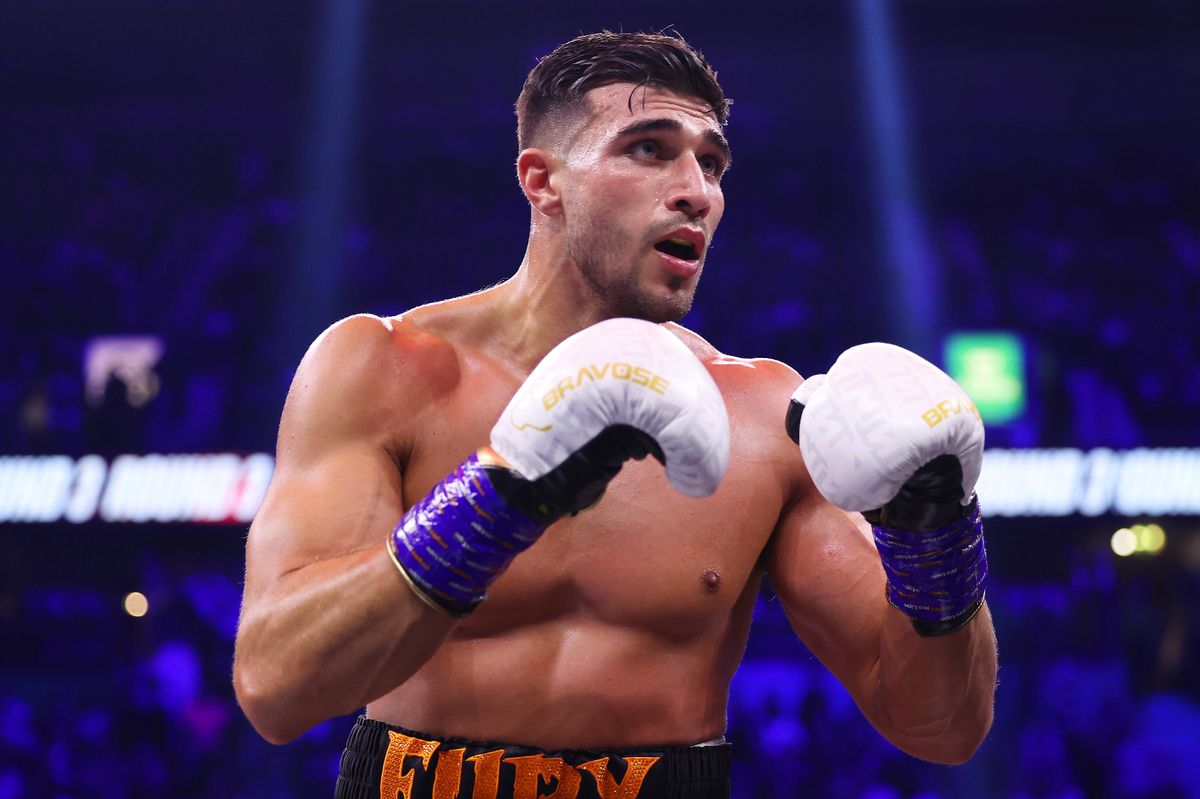
The broader phenomenon of influencer boxing, which Rajan’s comments inadvertently spotlight, has profoundly reshaped the landscape of combat sports. While derided by purists, these events attract new audiences and significant financial investment, often outperforming traditional boxing cards in viewership. This commercial success, however, frequently raises questions about the integrity of the sport, the quality of competition, and the potential risks to participants who may lack extensive professional training.
Tommy Fury’s case is particularly nuanced, as he embodies a bridge between these two worlds. Unlike pure influencers who enter boxing solely for spectacle, Fury possesses a genuine professional background, yet his public profile was significantly amplified by reality television. This duality makes his categorisation by figures like Rajan especially contentious, as it blurs the lines between a legitimate sporting career and a media-driven persona, igniting debate over what defines a “boxer” in the contemporary era.
The exchange between Rajan and Fury’s implied stance reflects a larger cultural shift where fame, irrespective of its origin, increasingly dictates opportunities and public perception. As the lines between entertainment and sport continue to intertwine, the definitions of professional athletes and their roles are continuously re-evaluated. This ongoing discourse ensures that the debate over “influencer” versus “boxer” will likely persist as long as crossover fights continue to capture the public’s imagination and generate substantial revenue.

![[post_title]](https://samony.com.ng/wp-content/uploads/2025/12/Reps-Raises-Campaign-Spending-Limits-For-2027-Elections-Presidential-Candidates.jpg?lm=69451FAD "Nigerian Lawmakers Raise 2027 Election Spending Limits to ₦10 Billion")
![[post_title]](https://samony.com.ng/wp-content/uploads/2025/12/1766137230_Grifin-Review-Invest-Where-You-Shop-300x157.jpg?lm=69451D8F "Grifin: How Daily Purchases Drive Automated Stock Investments")
![[post_title]](https://samony.com.ng/wp-content/uploads/2025/12/Baddies-are-the-one-winning-good-girls-are-losing-300x150.jpg?lm=69451EC4 "Viral Debate: Are Assertive Women Thriving More Than Traditional Peers?")
![[post_title]](https://samony.com.ng/wp-content/uploads/2025/12/1766136220_Man-with-worlds-biggest-penis-challenges-men-to-outdo-his-300x158.jpg?lm=6945199E "London Man Claims World’s Largest Medically Verified Penis")

![[post_title]](https://samony.com.ng/wp-content/uploads/2025/12/1765557443_Epstein-files-live-updates-New-photos-from-personal-collection-show.jpeg?lm=693C44C3 "DOJ Confronts Deadline for Release of Thousands of Epstein Files")

![[post_title]](https://samony.com.ng/wp-content/uploads/2025/12/1766138506_French-police-raid-culture-ministers-home-as-part-of-corruption.jpg?lm=6945228A "French Culture Minister Rachida Dati Raided in Corruption Probe")
![[post_title]](https://samony.com.ng/wp-content/uploads/2025/12/1766137230_Grifin-Review-Invest-Where-You-Shop-1024x536.jpg?lm=69451D8F "Grifin: How Daily Purchases Drive Automated Stock Investments")
