

![[post_title]](https://samony.com.ng/wp-content/uploads/2025/11/1764377473_American-Airlines-expecting-delays-amid-holiday-travel-after-major-software-1024x683.jpg?lm=692A4387)
Holiday Travel Grounded? Analyzing American Airlines’ Software Woes
American Airlines anticipates holiday flight delays. A software issue, impacting a significant portion of their Airbus A320 fleet, could disrupt travel plans for many. It’s a challenge. Specifically, a software change necessitates updates on around 340 planes.
News outlets report American aims to have most affected aircraft updated quickly. Their focus: limiting flight cancellations, especially during this peak travel period. This commitment matters during Thanksgiving. Six million Americans are expected to fly domestically, according to projections.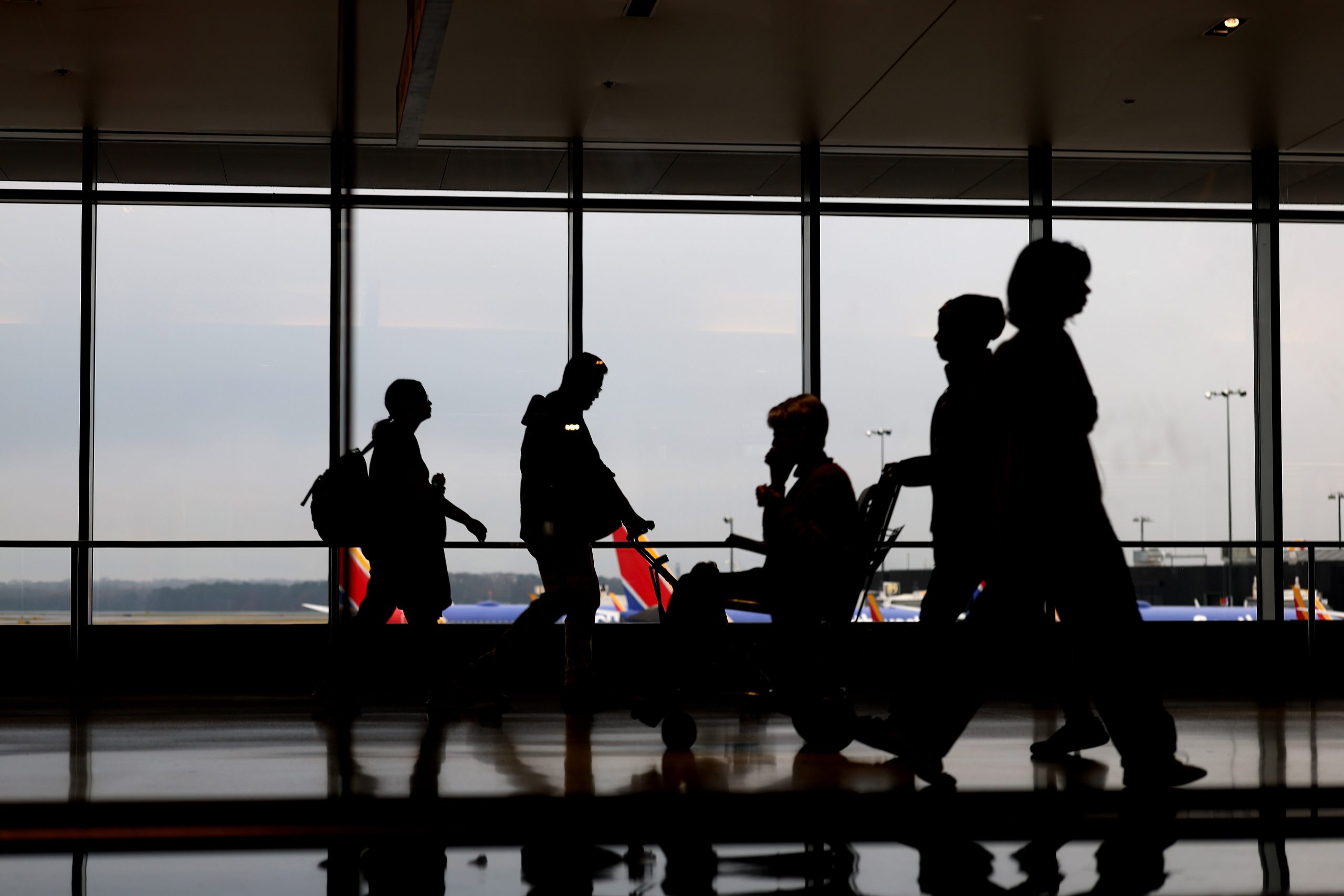 >
>
The airline’s stated priority? Safety. They’re calling it “all hands on deck” to resolve this Airbus software hitch. They aim to care for customers facing flight changes. Delta Air Lines expects to experience repercussions as well.
More than 3,000 flights were delayed or axed. These numbers, tracked by FlightAware, highlight the widespread impact this glitch could have.
Software snafus aren’t entirely new territory. Looking back, these sorts of technological hiccups tend to surface when systems are strained. Peak travel times act as stress tests. They expose vulnerabilities that might otherwise stay hidden.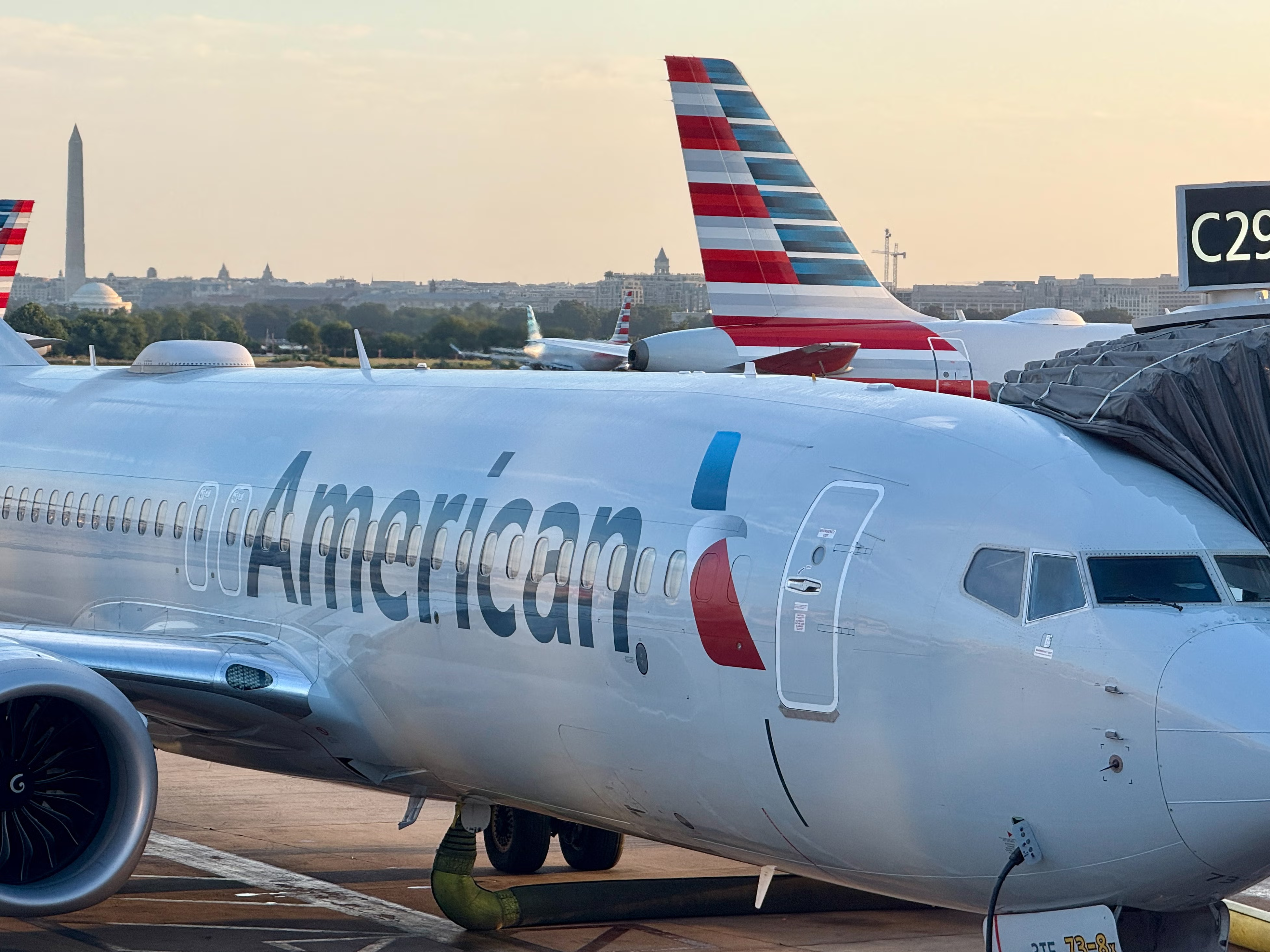 >
>
Consider the pressure on airline systems during the holidays. Booking systems, flight management software, and aircraft maintenance programs all experience elevated activity. This surge in demand raises the stakes and the risk of something breaking down.
This recent turbulence joins previous challenges. Last month’s government shutdown also caused delays and cancellations. These problems raise questions about overall system resilience. Are airlines adequately prepared for unforeseen disruptions?
It’s worth noting that American Airlines recently addressed another mid-flight issue. A Phoenix-bound plane made an emergency landing in Houston because of cabin fumes. These events create a cumulative effect on public confidence.
The immediate impact involves travelers scrambling for alternative arrangements. Beyond this, it prompts a deeper examination of airline infrastructure. Are current investment levels enough to support reliable operations? Do airline passengers place enough weight on operational reliability when selecting a service?
The airline industry operates on razor-thin margins. Cutting costs often takes precedence over investing in upgrades. These kinds of shortcuts could compromise system integrity. Yet, passengers understandably prioritize price when booking tickets. There is an imbalance of power in these transactions.
The issue prompts reflection on the increasing reliance on technology in aviation. Automation boosts efficiency, yet also adds complexity. This complexity can create new points of failure. We need to consider it.
How quickly can American Airlines address this issue? That’s the question on many travelers’ minds. The speed and transparency of their response will shape public perception. Passengers want to know they can trust airlines to handle these kinds of setbacks.
The industry needs to adopt a proactive approach. This entails regularly assessing technology infrastructure. Investment should focus on preventative maintenance and robust backup systems. This approach offers greater resilience to unexpected events.
Focus on staff training, which plays a significant role. Proper training can empower employees to identify potential issues early. This training equips them with the skills to navigate crises.
American Airlines isn’t alone facing these challenges. Other airlines have experienced similar incidents. However, it’s the recurring nature of these incidents that sparks worry. This situation suggests a systemic issue that warrants wider industry attention.
Ultimately, the airline industry needs to reassess its priorities. They need to find a better balance between cost efficiency and operational reliability. This balance is crucial for maintaining public trust. It is vital for ensuring smooth travel experiences, especially during peak seasons.


![[post_title]](https://samony.com.ng/wp-content/uploads/2025/12/UK-Backs-Nigeria-With-Two-Flagship-Economic-Reform-Programmes-300x201.jpg?lm=69338486 "Nigeria-UK Investment: From Aid Dependency to True Economic Partnership?")
![[post_title]](https://samony.com.ng/wp-content/uploads/2025/12/Stuck-in-a-van-while-the-president-measures-the-Kennedy-300x200.jpg?lm=69338500 "Decoding Industry Dynamics")
![[post_title]](https://samony.com.ng/wp-content/uploads/2025/12/Nigeria-is-safe-says-Boris-Johnson-ex-UK-prime-minister-300x226.jpg?lm=69338546 "Nigeria Investment: Safe Bet or Risky Gamble? You Decide.")
![[post_title]](https://samony.com.ng/wp-content/uploads/2025/12/GoT-Prequel-Unveils-Final-Trailer-300x169.jpg?lm=69336F8F "Dunk and Egg are back! Is this the Game of Thrones fix we actually need?")

![[post_title]](https://samony.com.ng/wp-content/uploads/2025/12/Netflix-To-Acquire-Warner-Bros-Discoverys-Film-And-Streaming-Units.jpg?lm=693385D9 "Streaming’s $72 Billion Gamble: Netflix and Warner Bros. Discovery")
![[post_title]](https://samony.com.ng/wp-content/uploads/2025/12/16-LAWMAKERS-DEFECT-FROM-PDP-TO-APC-IN-RIVERS-STATE.jpg?lm=69338670 "Rivers State Politics Just Got Wild: What’s Going On?")
![[post_title]](https://samony.com.ng/wp-content/uploads/2025/12/UK-Backs-Nigeria-With-Two-Flagship-Economic-Reform-Programmes.jpg?lm=69338484 "Nigeria-UK Investment: From Aid Dependency to True Economic Partnership?")
