

![[post_title]](https://samony.com.ng/wp-content/uploads/2025/12/1764615902_NCSCN-hails-nomination-of-ex-NIA-DG-Oke-as-ambassador.jpg?lm=692DE6DE)
Analyzing Ambassadorial Nomination: Rule of Law vs. Public Perception
The nomination of Ambassador Ayodele Oke, former Director-General of the National Intelligence Agency (NIA), as ambassador to the United States has sparked considerable debate. The National Civil Society Council of Nigeria (NCSCN) publicly backed the nomination, referencing Oke’s “impeccable credentials” and subsequent exoneration from corruption allegations. Yet, controversy persists, highlighting a fascinating clash between legal outcomes and public sentiment, a pattern I’ve observed playing out repeatedly across various sectors.
It’s easy to jump to conclusions when allegations of corruption arise, especially concerning high-profile figures. The court’s decision and the EFCC’s move to terminate the case based on lack of evidence seemingly provide legal closure. This resolution should, in theory, allow Ambassador Oke to resume his career without the shadow of suspicion. The NCSCN echoes this line, emphasizing the importance of upholding the rule of law and not substituting court verdicts with “public speculation.”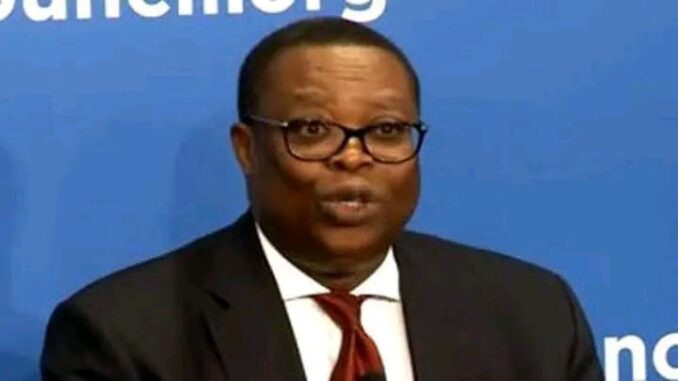 >
>
Still, the situation isn’t that clear-cut. Public perception can be a beast of its own, and it often operates on a different set of rules than the legal system. An acquittal doesn’t always translate to public trust. The initial accusations, regardless of their eventual legal standing, can leave a lasting stain on a person’s reputation. That’s the challenge here.
Otunba Msuaan’s argument – that rejecting the nomination would set a “dangerous precedent” – raises a valid point. How do we balance accountability with the principle of due process? Do we risk undermining the legitimacy of legal proceedings by continually revisiting cases that have been officially closed? These questions warrant serious consideration.
It’s worth noting that the NCSCN’s statement also included a call for media houses and civil society organizations to conduct “proper investigations” before commenting on issues. This plea for responsible reporting is crucial in today’s information landscape. The speed and reach of modern media can amplify narratives, sometimes at the expense of accuracy and fairness. A rush to judgment, fueled by incomplete information, can have devastating consequences.>
However, calls for responsible investigation should not be construed as stifling public discourse. A healthy democracy thrives on open debate and critical scrutiny. The public has a right to question the decisions of its leaders and hold them accountable. Yet, that scrutiny should be informed and respectful of the legal process.
The President’s role in this becomes pivotal. He has to weigh competing interests: the need to respect legal outcomes, the imperative to address public concerns, and the desire to appoint qualified individuals to key positions. Navigating this complex web is a delicate act, demanding both wisdom and courage.
From my perspective, seasoned administrators with proven integrity and competence need to be in service of the nation. The emphasis on Oke’s “pedigree and track record” is vital. Past performance is often the best predictor of future behavior.
Given these facts, it’s essential to analyze the situation with nuance. It’s easy to fall into the trap of binary thinking, framing the issue as a simple choice between right and wrong. But reality is rarely that simple. Here, we’re dealing with a complex interplay of legal precedent, public perception, and political considerations.
The nomination offers an opportunity to examine how society treats individuals accused of wrongdoing, even after they have been cleared by the courts. It forces us to confront the tension between legal justice and public opinion. How do we ensure that the rule of law is respected, while also addressing legitimate concerns about accountability and transparency?
This requires more than just issuing statements and taking sides. It necessitates a deeper engagement with the underlying issues, a willingness to listen to different perspectives, and a commitment to finding solutions that are both just and practical. A responsible press and an engaged citizenry, asking the right questions, are absolutely key.
What might a positive outcome look like? Perhaps a more proactive effort to communicate the legal findings to the public, addressing lingering questions and concerns. It may also require a renewed emphasis on ethical standards and transparency in government. Regardless, this situation demands a commitment to upholding the principles of justice and fairness, both in the courtroom and in the court of public opinion. The former NIA DG’s future in diplomacy hangs in the balance, and the country watches with keen interest. The decision will inevitably say something about the values we hold dear.


![[post_title]](https://samony.com.ng/wp-content/uploads/2025/12/Cancer-patient-laments-poor-working-conditions-facilities-at-Abuja-hospital-300x188.jpeg?lm=692DE34F "Nigeria’s Cancer Crisis: Patient Video Exposes Under-Resourced Care and Urgent Needs")
![[post_title]](https://samony.com.ng/wp-content/uploads/2025/12/1764614482_How-to-Grow-Your-Earnings-Effectively-300x200.jpg?lm=692DE155 "College Athletes Are Getting Paid: Here’s How Not to Blow It")
![[post_title]](https://samony.com.ng/wp-content/uploads/2025/12/Reality-TV-Star-Masika-Kalysha-Faces-Backlash-Over-New-Relationship-300x225.jpeg?lm=692DE1A2 "Masika Kalysha: Grief, Relationships, and Reality TV Scrutiny")
![[post_title]](https://samony.com.ng/wp-content/uploads/2025/12/1764613707_Anita-Joseph-suffered-stilbirth-domestic-violence-Stella-Dimokokorus-300x157.jpg?lm=692DDE4F "Anita Joseph Marriage Drama: What’s Really Going On?")



![[post_title]](https://samony.com.ng/wp-content/uploads/2025/12/Cancer-patient-laments-poor-working-conditions-facilities-at-Abuja-hospital.jpeg?lm=692DE34E "Nigeria’s Cancer Crisis: Patient Video Exposes Under-Resourced Care and Urgent Needs")
