

![[post_title]](https://samony.com.ng/wp-content/uploads/2025/11/1764508998_Amazon-warehouse-worker-dies-on-the-job-but-family-demand-1024x538.jpg?lm=692C4549)
Amazon Warehouse Worker Death Raises Familiar Questions About Workplace Safety
The recent death of an Amazon warehouse worker in Swansea, Martin Vaughan, has understandably ignited renewed concern about safety within the e-commerce giant’s fulfillment centers. Reading the details, the circumstances surrounding his collapse and the subsequent response prompt a deeper look into the pressures and protocols that shape the warehouse work environment. Vaughan’s family understandably feels they don’t have the whole story, and they’re seeking legal counsel to explore what avenues of recourse are available.
The report cites a 14-minute delay in discovering Vaughan after he collapsed, followed by a significant delay in the ambulance reaching him, initially arriving at the wrong location. While the jury ultimately ruled the ambulance delay didn’t contribute to his death, those delays are hard to overlook. Did those minutes matter? It’s a question that will inevitably haunt his loved ones.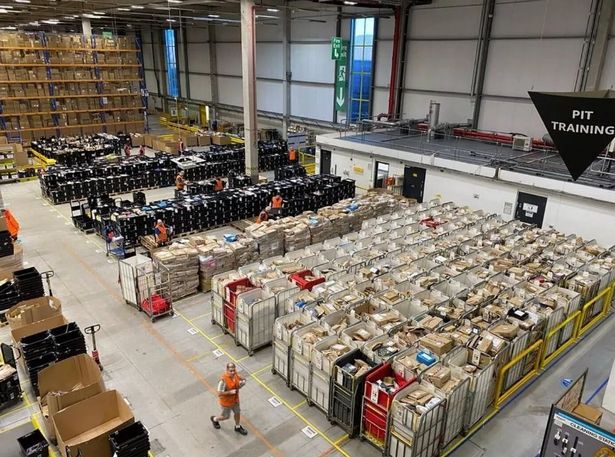 >
>
Amazon, like other major players in the logistics and e-commerce sectors, operates under intense pressure to meet ever-increasing consumer demand for faster delivery times. This drive can translate into demanding performance metrics for warehouse employees. We’ve seen reports of the physical toll this takes, the injuries, and the relentless pace. This challenge isn’t new; the balance between efficiency and worker well-being has been a persistent issue in the industry for years.
It’s worth noting that Amazon states its thoughts “remain with Martin’s family and friends” and that they’re “continuing to support colleagues with anything they need.” However, families often have their own feelings. An expression of sympathy is only the starting point for a path of resolution, and it does not fully address the underlying concerns about safety protocols and the potential for systemic failures.
One critical area for analysis is the clarity and effectiveness of emergency response procedures within Amazon warehouses. Big facilities can become mazes, especially in a crisis. A 32-minute delay for an ambulance to reach a worker is unacceptable. Internal communication breakdowns and geographical disorientation within these vast complexes can all contribute to such delays. One wonders if regular drills, improved internal navigation systems for first responders, and enhanced communication protocols could mitigate these risks.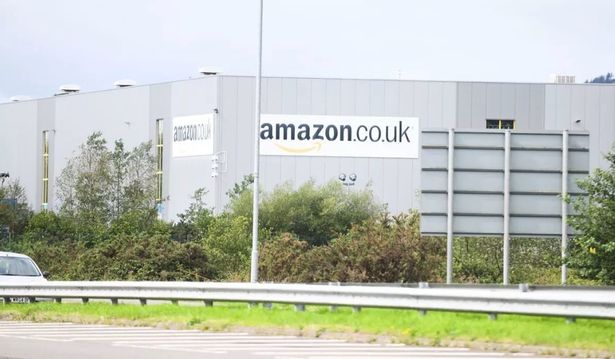 >
>
Then, there’s the crucial question of worker monitoring and support. Could a more proactive system of checking in on employees, especially those working overtime or those with known health conditions, have potentially made a difference? It’s a complex calculation, balancing privacy with proactive care. Yet, when lives are at stake, these are the types of conversations that industry leaders must embrace.
This challenge extends beyond Amazon, reflecting a broader trend in the industry: the growing use of technology to monitor and manage worker performance. While data-driven insights can improve efficiency, they can also create environments where employees feel constantly scrutinized and pressured to push themselves beyond safe limits. The focus has to move beyond pure optimization.
A common thread in stories like these is the conflicting accounts presented during the inquest. Witnesses, even with the best intentions, can have varying recollections. Yet, discrepancies can also raise suspicions. In any case, it highlights the need for thorough and transparent investigations in the aftermath of workplace incidents, with a focus on identifying root causes and implementing corrective actions.
Given these facts, the tragic death of Martin Vaughan serves as a potent reminder of the human cost sometimes associated with the relentless pursuit of efficiency and profitability. While Amazon undoubtedly has safety protocols in place, the effectiveness of those protocols and their consistent implementation across all facilities is open to scrutiny. It’s not enough to have policies on paper; they must translate into tangible improvements in the daily working lives of warehouse employees.
Companies must see workers as more than just cogs in a machine. They must make safety a core value, not just a compliance requirement. That demands investment in training, better monitoring systems, and a willingness to slow down and adjust the pace when needed. This isn’t about hindering progress; it’s about ensuring that progress doesn’t come at the expense of human lives.
The situation with Vaughan’s family highlights this tension. They’re left with unanswered questions and a feeling that the full story remains untold. Amazon’s response, while expressing sympathy, doesn’t quite address the underlying concerns they have about the circumstances surrounding Martin’s death.
Ultimately, this case underscores a crucial point: transparency and accountability are paramount. When workplace tragedies occur, companies have a moral obligation to conduct thorough investigations, share findings openly, and implement changes to prevent similar incidents from happening in the future. Until that happens, skepticism will remain, and the families of those who have lost their lives will continue to search for answers.

![[post_title]](https://samony.com.ng/wp-content/uploads/2025/11/Isaac-Fayose-criticises-Tinubus-ambassadorial-list-takes-aim-at-Reno-300x150.jpg?lm=692C3EF1 "Nigerian Diplomacy at a Crossroads: Balancing Loyalty and Competence in Ambassadorial Appointments")
![[post_title]](https://samony.com.ng/wp-content/uploads/2025/11/1764506722_Companies-That-Give-Shareholders-Perks-And-Rewards-300x157.png?lm=692C3C65 "Companies are treating shareholders like VIPs with these surprising perks!")
![[post_title]](https://samony.com.ng/wp-content/uploads/2025/11/Club-Brugge-neemt-ingrijpende-beslissing-over-Romeo-Vermant.com2Fvoetbal24-be2Fimages2F2025-112Fromeo-ver-300x158.jpeg?lm=692C3D29 "Club Brugge’s Striking Gamble: Youth vs. Proven Talent")
![[post_title]](https://samony.com.ng/wp-content/uploads/2025/11/1764507038_Worlds-loneliest-man-found-four-years-after-dying-as-music-300x158.jpg?lm=692C3DA1 "Unseen: The Tešanović Case")
![[post_title]](https://samony.com.ng/wp-content/uploads/2025/11/Gunmen-kidnap-travellers-on-Kogi-highway-300x169.jpg?lm=692C3E30 "Kogi Kidnapping: Security Landscape in Focus")

![[post_title]](https://samony.com.ng/wp-content/uploads/2025/11/Preview-Pisa-vs-Inter-Milan-prediction-team-news-lineups.net2Fuploads2F20252F102Fimago1067935891.webp?lm=692C44ED "Inter Milan Faces Tricky Test at Resilient Pisa: Serie A Preview")
![[post_title]](https://samony.com.ng/wp-content/uploads/2025/11/Isaac-Fayose-criticises-Tinubus-ambassadorial-list-takes-aim-at-Reno-1024x512.jpg?lm=692C3EF1 "Nigerian Diplomacy at a Crossroads: Balancing Loyalty and Competence in Ambassadorial Appointments")
