

![[post_title]](https://samony.com.ng/wp-content/uploads/2025/12/1765455039_The-common-medications-you-should-avoid-when-drinking-alcohol-this.jpg?lm=693AB4BF)
The festive season often brings opportunities for social gatherings and celebratory drinks, but for individuals taking medication, a seemingly innocent alcoholic beverage can pose serious health risks. Understanding the potential interactions between alcohol and common medicines is crucial to ensuring safety and well-being during the holidays.
When alcohol and certain medications are consumed together, the liver’s metabolic processes can be significantly disrupted. Alcohol is processed by the liver, and it can either accelerate or slow down the metabolism of drugs. This can lead to a reduced effectiveness of the medication or, more dangerously, an overdose due to higher-than-intended drug levels in the bloodstream.
Some medications that depress the central nervous system, commonly prescribed for conditions like anxiety, depression, or sleep disturbances, can have amplified effects when mixed with alcohol. This combination can lead to extreme drowsiness, slowed breathing and heart rate, and in severe cases, can result in coma or even death.
Certain antidepressants, such as monoamine oxidase inhibitors (MAOIs), can interact with specific types of alcohol, particularly craft beers, home brews, and those with high tyramine content. This interaction can cause a dangerous spike in blood pressure, a condition known as hypertensive crisis, which requires immediate medical attention.
Furthermore, some medications can cause adverse reactions even after treatment has ended if alcohol is consumed. For instance, the antibiotic metronidazole requires patients to avoid alcohol during treatment and for at least 24 hours afterward to prevent nausea, vomiting, flushing, and dizziness.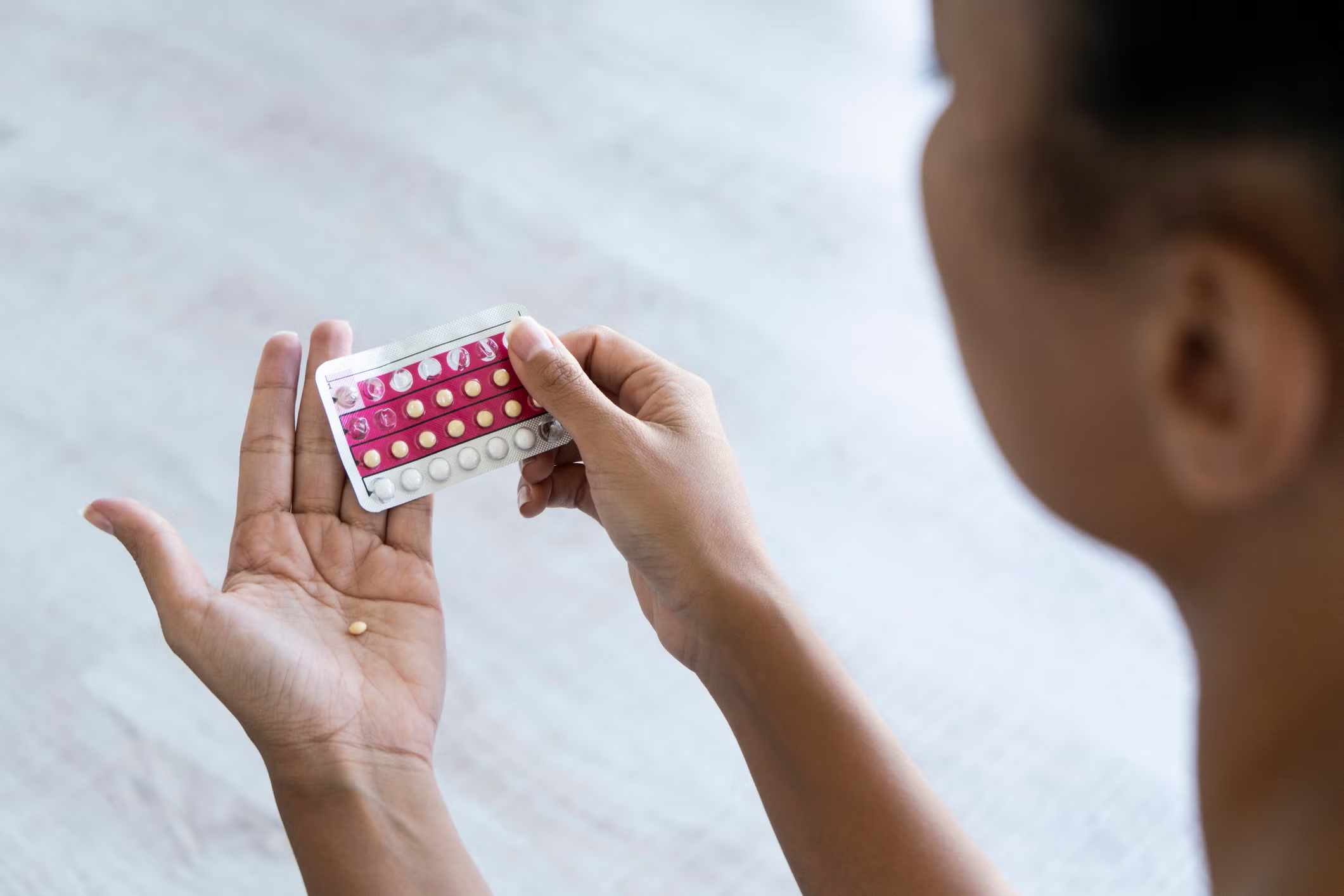
There are also common myths surrounding alcohol and medication. For example, while generally safe to consume with birth control pills, heavy drinking can lead to missed doses, increasing the risk of unintended pregnancy. Similarly, the notion that all antibiotics interact with alcohol is false; only specific ones like metronidazole and linezolid require abstinence.
It is vital for individuals to consult with their pharmacist or doctor if they are concerned about potential interactions between their medications and alcohol. Healthcare professionals can provide personalized advice and recommend safe alternatives if necessary.
Ignoring these warnings can lead to severe health consequences, underscoring the importance of informed choices during holiday celebrations. Prioritizing health by understanding medication guidelines is essential for a safe and enjoyable festive period.

![[post_title]](https://samony.com.ng/wp-content/uploads/2025/12/1765452413_Lady-in-viral-voice-note-speaks-after-lambasting-man-who-300x150.jpg?lm=693AAA7E "Woman Defends Criticism After Man Fails to Pay for Meal")
![[post_title]](https://samony.com.ng/wp-content/uploads/2025/12/War-against-corruption-in-Nigeria-like-fighting-Colombian-drug-cartels-300x169.jpg?lm=693AAADF "Nigerian Anti-Graft Boss Details Arrest, Likens Corruption Fight to Drug War")
![[post_title]](https://samony.com.ng/wp-content/uploads/2025/12/1765452560_BLord-buys-3000-bags-of-rice-to-distribute-to-his-300x150.jpg?lm=693AAB12 "BLord’s Christmas Generosity: 3,000 Bags of Rice for Ebenebe")

![[post_title]](https://samony.com.ng/wp-content/uploads/2025/12/Sky-Sports-Darts-host-Emma-Patons-rumoured-romance-and-fan-300x200.jpeg?lm=693AA8F6 "Emma Paton Leads Sky Sports Darts Coverage for World Championship")
![[post_title]](https://samony.com.ng/wp-content/uploads/2025/12/1765452152_A-Tax-Diversification-Strategy-for-Your-Retirement-Income-300x169.jpg?lm=693AA97A "Strategic Tax Diversification for Secure Retirement Income")

![[post_title]](https://samony.com.ng/wp-content/uploads/2025/12/1765454455_A-forgotten-hell-hole-in-north-east-Syria-impacts-millions-in.jpg?lm=693AB277 "British Citizenship Stripping: A Racist Policy Affecting Millions")
![[post_title]](https://samony.com.ng/wp-content/uploads/2025/12/1765452413_Lady-in-viral-voice-note-speaks-after-lambasting-man-who-1024x512.jpg?lm=693AAA7F "Woman Defends Criticism After Man Fails to Pay for Meal")
![[post_title]](https://samony.com.ng/wp-content/uploads/2025/12/War-against-corruption-in-Nigeria-like-fighting-Colombian-drug-cartels-1024x576.jpg?lm=693AAAE0 "Nigerian Anti-Graft Boss Details Arrest, Likens Corruption Fight to Drug War")
