


The digital landscape is rapidly evolving, bringing with it both innovation and significant challenges. One of the most pressing issues today is AI misinformation explained through the proliferation of deepfakes and artificially generated content. Recent events in Venezuela, where fake AI-generated videos and images concerning the arrest of President Nicolas Maduro received millions of views across social media platforms, serve as a stark reminder of how easily the public can be misled. This incident highlights a critical vulnerability in our information ecosystem, where visual cues are no longer reliable indicators of truth.
Immediately following an announcement by Donald Trump about Maduro’s alleged capture, social media was inundated with fabricated content. This included AI-generated images depicting the arrest and outdated footage falsely claiming to show military operations in Caracas. Even prominent figures like Elon Musk reposted AI-generated content, such as a video of Venezuelans purportedly thanking Trump for their liberation, which garnered millions of views before being flagged as AI-generated and misleading by community notes. Such widespread sharing of AI deepfake vs real video content underscores the urgent need for enhanced media literacy and robust detection mechanisms.
Musk’s account, along with others, became a conduit for what critics call “AI slop,” including a deepfake of Maduro breakdancing with President Trump and another showing Maduro in prison with Sean ‘Diddy’ Combs. Further amplifying the issue, Vince Lago, mayor of Coral Gables, Florida, shared a hyper-realistic, AI-generated photo of Maduro being led off a plane by US law enforcement. This image, later confirmed to have an invisible AI watermark by Google’s SynthID detection tool, was presented as factual evidence, demonstrating the sophisticated nature of these fabrications and the difficulty in how to identify AI generated content.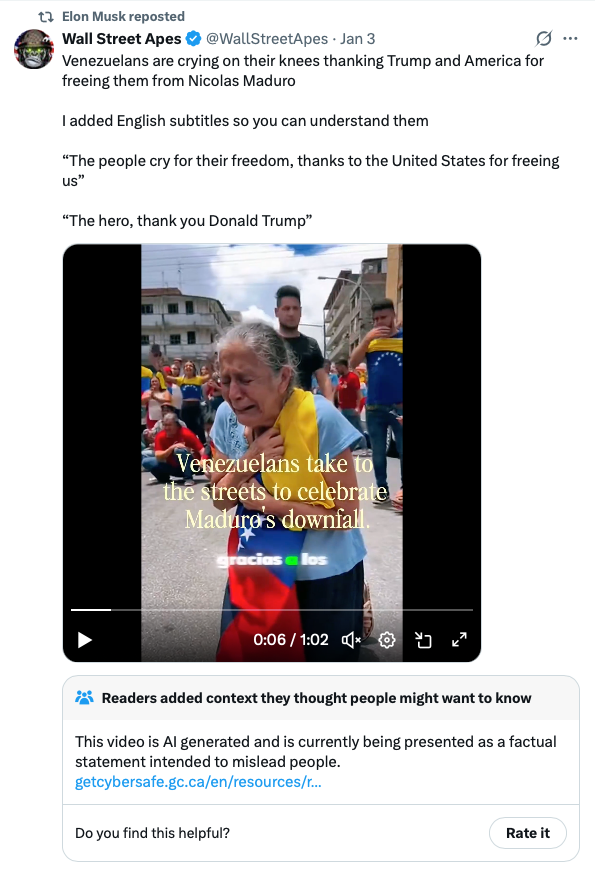
Experts explain that this surge in AI-generated content often emerges to fill an information void during fast-breaking news. Benjamin Dubow, a democratic resilience fellow, noted that in the hours after Maduro’s capture was announced, there was a significant demand for information amid much uncertainty. Social media users, willingly or unwillingly, stepped in to fill this gap, leading to the rapid dissemination of fake content. This environment creates fertile ground for what is AI misinformation to take root, making it challenging for the average user to discern fact from fiction.
What is AI misinformation? AI misinformation refers to the spread of false or inaccurate information created, manipulated, or amplified using artificial intelligence technologies, such as deepfakes, AI-generated images, or text. These sophisticated fabrications are designed to deceive, often making it nearly impossible for humans to distinguish them from genuine content, posing a significant threat to public trust and democratic discourse.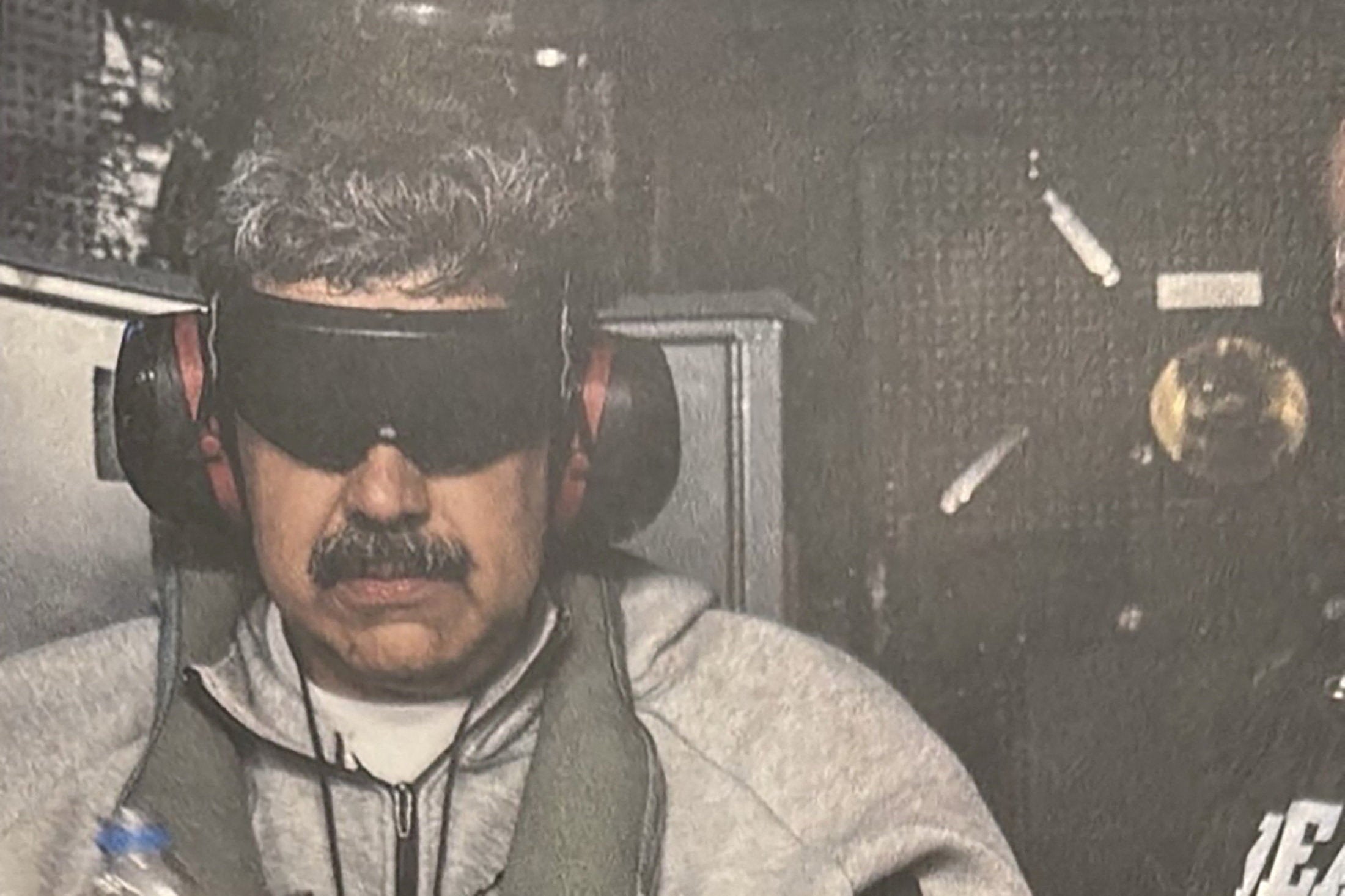
The impact of this phenomenon is profound. NewsGuard identified seven misleading photos and videos related to the Venezuela incident that accumulated over 14 million views on X alone. The ability of AI to generate compelling, yet false, narratives means that our collective ability to trust what we see on social media is rapidly declining. This erosion of trust is exacerbated by the sheer volume of content, making spotting AI generated images for beginners an increasingly complex task. Old footage, too, is often recycled and miscontextualized, adding another layer of confusion.
In this challenging environment, basic media literacy remains paramount. Experts stress the importance of waiting for reliable sources, validating information, and ensuring credibility. It is crucial to approach content on social platforms with skepticism, even when shared by prominent or verified accounts. The most effective strategy is often to be most suspicious of content that aligns perfectly with one’s existing beliefs, as this is the easiest way to be tricked. This principle is a cornerstone of any effective AI misinformation guide.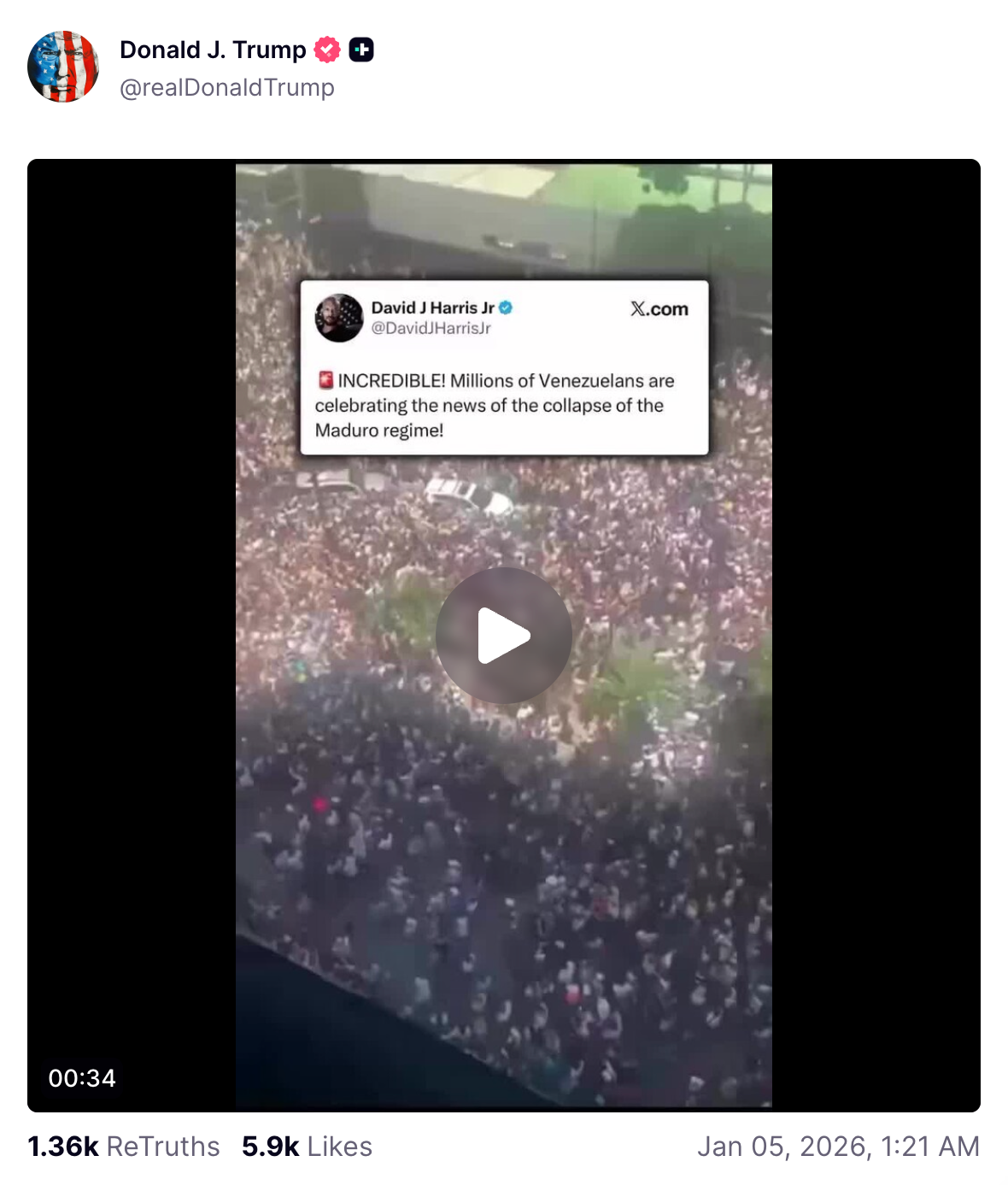
While AI-generated visuals improve, detection tools like Google’s SynthID offer some hope by embedding invisible watermarks. However, these tools are not universally applied, and the technology for creating deepfakes continues to advance rapidly. Therefore, a multi-faceted approach involving advanced best AI detection tools 2026, increased platform accountability, and widespread public education on AI misinformation trends 2026 will be essential in combating this evolving threat. The battle against manipulated media and AI generated content vs human made will require continuous adaptation.
Ultimately, the proliferation of AI-generated content demands a collective effort from individuals, tech companies, and policymakers. Understanding AI misinformation explained through real-world examples like Venezuela is the first step toward building a more resilient information ecosystem. By fostering critical thinking, promoting responsible sharing, and investing in robust detection technologies, we can better navigate the complexities of the digital age and protect ourselves from the deceptive power of artificial intelligence.








