


Navigating the modern job market often means facing an AI interviewer, a reality that is rapidly changing how recruitment is conducted. This new wave of AI-powered interviews is designed to filter candidates efficiently, but it raises significant questions about authenticity and human connection in the hiring process. Understanding how these AI interviews function is crucial for any job seeker looking to succeed in today’s competitive landscape.
The experience of a human interviewer is often characterized by the ability to build rapport, read subtle social cues, and adapt to unexpected conversational turns. AI interviewers, however, operate on a different paradigm, meticulously analyzing responses for specific keywords and phrases aligned with job requirements. This shift can leave candidates feeling detached, as the usual avenues for demonstrating personality and soft skills are diminished.
Featured snippet paragraph: What is an AI job interview? An AI job interview is a recruitment process where an artificial intelligence program, often with a human-like avatar, assesses candidates’ responses to pre-determined questions, analyzing them for keywords and suitability based on programmed criteria. It aims to streamline the initial screening stages of hiring.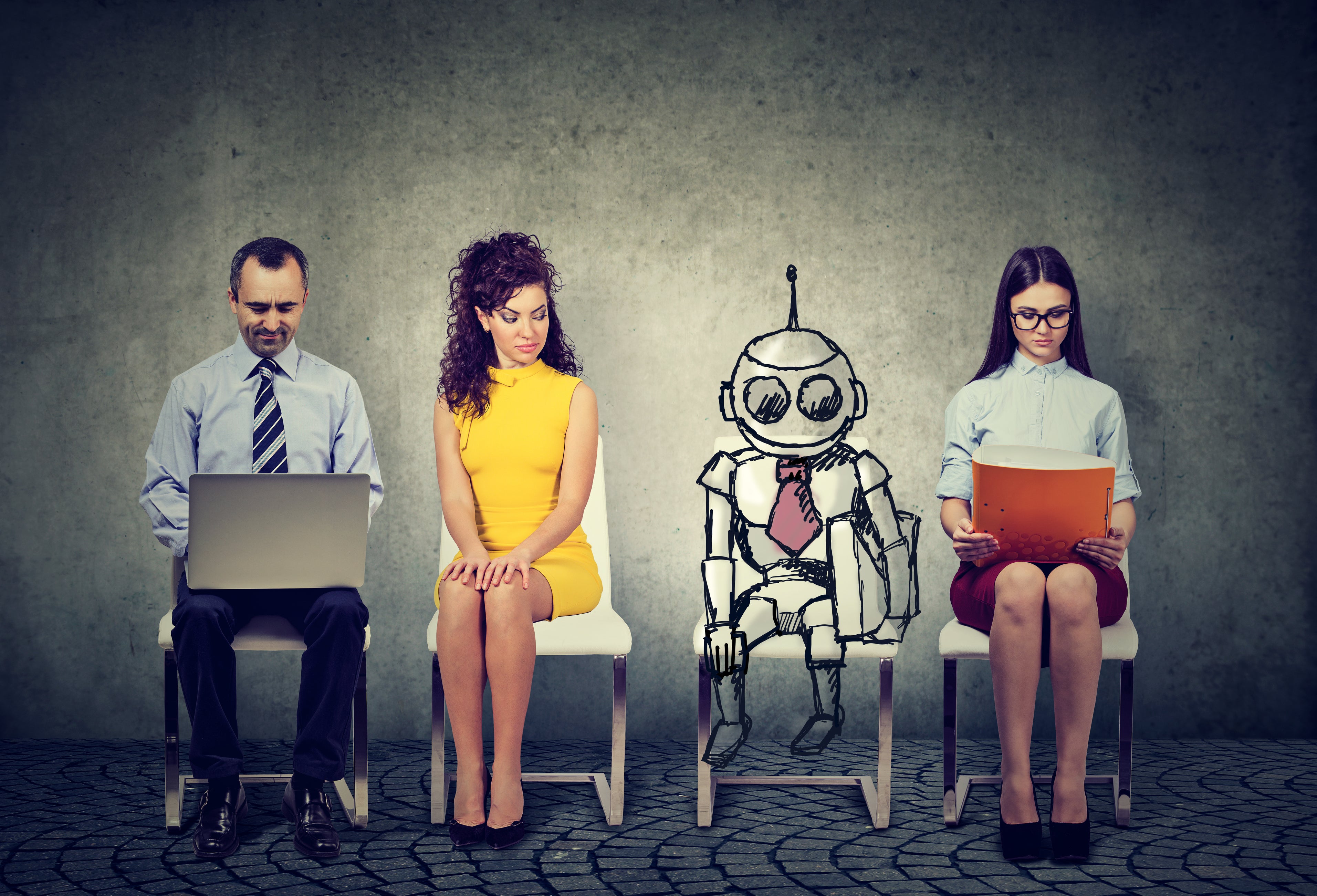
As AI in recruitment triples, with a significant percentage of UK employers implementing these tools, the landscape of job applications is being reshaped. Companies are increasingly relying on AI to sift through a growing volume of applications, a trend that has led to a phenomenon dubbed the “AI Doom Loop.” In this cycle, job seekers use AI to apply for numerous positions, while recruiters use AI to quickly disqualify candidates.
The rise of AI in hiring also brings concerns about potential bias. While human bias has always been a factor, AI systems can be audited and corrected systematically if bias is detected. This offers a potential advantage in creating a fairer assessment process, provided the AI is developed and monitored responsibly.
For job seekers, the challenge lies in adapting to this new interviewing style. Success often depends on understanding the algorithm and deploying the right jargon, rather than solely focusing on building a genuine connection. It’s a delicate balance between showcasing relevant skills and navigating the technical aspects of the AI’s evaluation.
AI interview platforms are designed to analyze candidates’ answers against a specific framework. They often prompt candidates for further details if an initial response is deemed insufficient, essentially guiding them to provide more targeted information. This can feel like a direct indication that the original answer missed the mark.
The implications of AI in hiring extend to the potential for sophisticated fraud. With the increasing use of AI by both applicants and employers, concerns about identity verification and the authenticity of candidates are paramount. This has led to discussions about integrating identity verification measures into future hiring processes.
Despite the anxieties, AI in recruitment is not a fleeting trend. Automated assessments can operate continuously, scale efficiently, and be adapted for various languages and roles. This makes them an integral part of modern hiring practices, capable of working tirelessly to process applications.
For those preparing for job interviews, it’s essential to clarify the company’s stance on AI usage. Understanding whether AI can be used for cover letter writing, interview practice, or even the interview itself is crucial. The lines are constantly shifting, and transparency from employers is key.
Ultimately, while AI streamlines the screening process, it’s vital for employers to remember the human element behind each application. Candidates are more than just data points; they are complex individuals with unique strengths and experiences that an algorithm alone cannot fully capture.
This technological evolution in hiring necessitates a proactive approach from job seekers. Familiarizing oneself with AI interview formats and understanding how to articulate one’s qualifications effectively within this new paradigm will be a significant advantage.
The increasing reliance on AI means that early stages of the hiring process may very well be conducted by sophisticated bots. Candidates need to be prepared for this reality and strategize accordingly to present their best selves.
As AI capabilities advance, the interaction between AI interviewers and AI candidates becomes a distinct possibility, further blurring the lines of traditional human-led recruitment.
This shift underscores the importance of continuous learning and adaptation in the job search, ensuring individuals remain competitive in an evolving professional landscape.
The future of recruitment is undeniably intertwined with artificial intelligence, and understanding its role is no longer optional but a necessity for career success.







![Saheed Osupa reacts to death prophecy by Islamic cleric [VIDEO]](https://samony.com.ng/wp-content/uploads/2026/01/Saheed-Osupa-reacts-to-death-prophecy-by-Islamic-cleric-VIDEO.jpg?lm=696522FC "Why Saheed Osupa Reacted to Death Prophecy: Key Details")

