


Afternoon naps, often perceived as a benign way to boost energy and mental clarity, are a double-edged sword that can significantly impact nighttime sleep patterns, according to recent research. While short, strategic daytime rests offer a range of cognitive and physical benefits, their improper timing or excessive duration can lead to grogginess, disorientation, and prolonged struggles with insomnia, challenging the popular notion of their universal benefit. Understanding this intricate balance is crucial for harnessing the positive aspects of napping without undermining overall sleep health.
For many, the allure of a midday snooze stems from its immediate ability to enhance alertness, improve mood, strengthen memory, and boost productivity. These “power naps” have long been championed as a vital tool for individuals seeking a quick mental refresh, particularly during the natural dip in alertness most people experience in the early afternoon, typically between 1 pm and 4 pm, a period driven by the body’s internal circadian rhythm. Studies suggest that a brief nap during this window, ideally followed by bright light exposure, can effectively counteract fatigue and improve cognitive function without interfering with nighttime sleep.
However, the perceived benefits of an afternoon nap can quickly dissipate if not managed correctly, often leading to unintended negative consequences. Extending a nap beyond a brief period risks triggering “sleep inertia,” a state of grogginess and disorientation that occurs when waking from deeper sleep stages. This phenomenon can leave individuals feeling more tired and less functional than before they rested, potentially impairing cognitive performance and reaction times for up to an hour, with serious implications if they must immediately perform safety-critical tasks or operate machinery.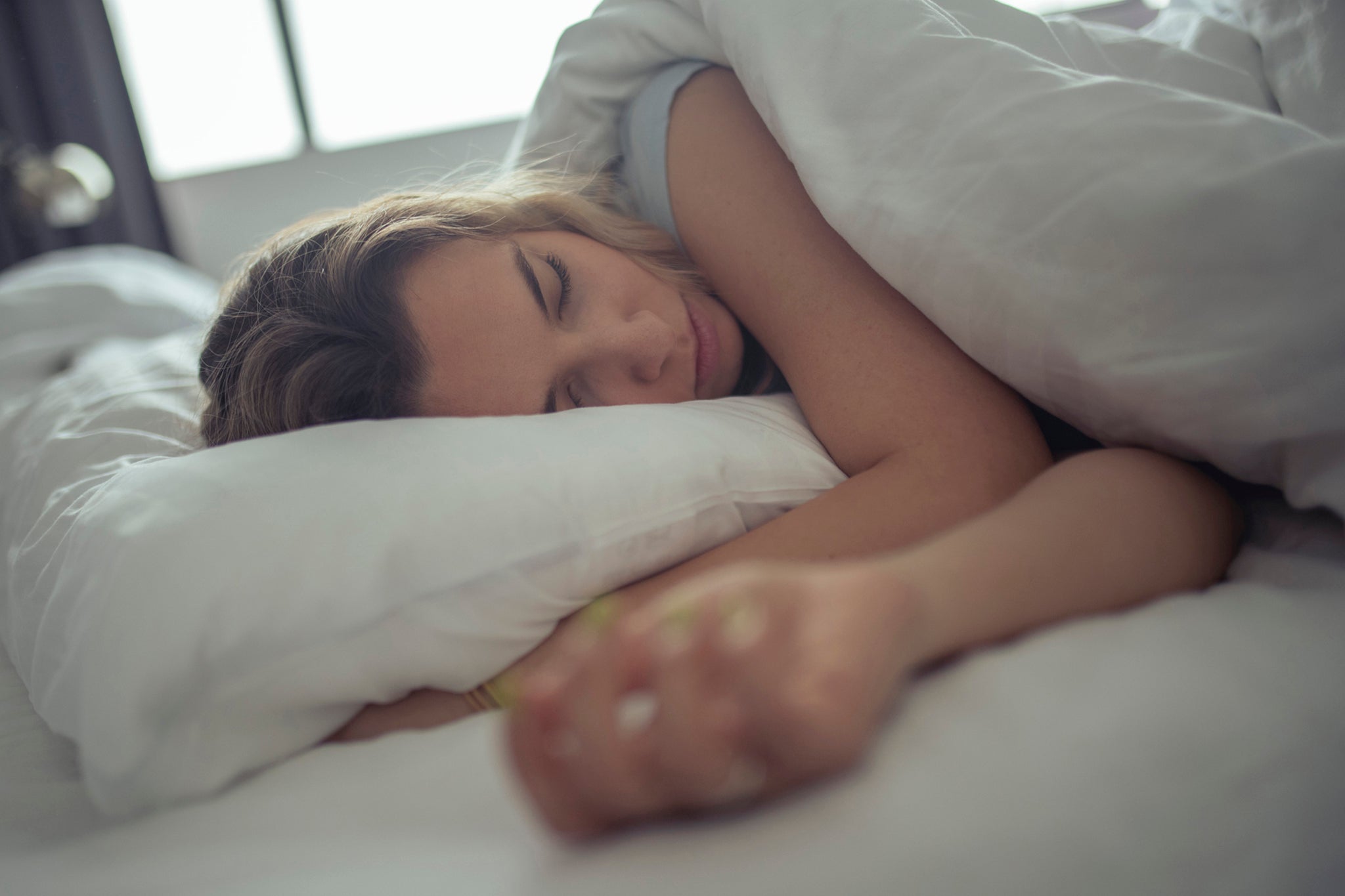
The timing of a nap plays an equally critical role in its impact on subsequent nighttime sleep. Napping too late in the day can diminish the “sleep pressure build-up,” the body’s natural physiological drive to sleep that accumulates throughout wakefulness. This reduction in sleep pressure makes it considerably harder to fall asleep at night, contributing to fragmented sleep and potentially exacerbating existing sleep difficulties, thereby disrupting the body’s natural sleep cycle.
Despite these potential drawbacks, napping remains an essential strategy for specific populations and circumstances. Shift workers, frequently contending with fragmented sleep due to irregular schedules, often find a well-timed nap before a night shift significantly boosts alertness and mitigates the risk of errors and accidents. Similarly, individuals facing chronic sleep deprivation, athletes utilising naps for accelerated muscle recovery, and professionals in high-focus occupations like healthcare and aviation benefit from brief, planned naps to maintain concentration and reduce fatigue-related mistakes. NASA research, for instance, highlighted that a 26-minute nap could enhance the performance of long-haul flight operational staff by 34 percent and their alertness by 54 percent.
It is crucial, however, to distinguish between strategic napping and reliance on naps as a substitute for adequate nighttime sleep. While beneficial for some, relying on daytime sleep as a chronic solution can mask underlying sleep issues rather than resolving them. Experts frequently advise individuals suffering from chronic insomnia to avoid naps entirely, as daytime sleep can inadvertently weaken their natural drive to sleep at night, perpetuating their sleep cycle disturbances and making it even harder to establish a healthy nocturnal rhythm.
To maximise the benefits and minimise the risks, effective napping requires careful consideration of duration, timing, and environment. The optimal nap length typically ranges between ten and 20 minutes, a timeframe that allows for rest without entering deep sleep, thus avoiding sleep inertia. The ideal time for such a nap is generally before 2 pm, as napping later can significantly disrupt the body’s natural circadian rhythm. Furthermore, a cool, dark, and quiet setting, similar to nighttime sleep conditions, is highly recommended, often aided by eye masks and noise-cancelling headphones to ensure a more restorative experience.
Ultimately, the efficacy of napping is highly individualised, influenced by factors such as age, lifestyle, and existing sleep patterns. What serves as a beneficial “life hack” for one person, improving focus and energy, might represent a slippery slope into sleep disruption for another. Consequently, individuals are encouraged to experiment cautiously, observing how naps personally affect their overall sleep quality and daily functioning, ensuring that midday rest truly contributes to their overall well-being.







![[post_title]](https://samony.com.ng/wp-content/uploads/2025/12/1766928414_No-normal-person-could-achieve-what-Marc-Marquez-has-1024x682.jpg?lm=69513020 "Marc Marquez’s 2025 MotoGP Triumph: Alonso on Mental Fortitude")

