


The 35th edition of the Africa Cup of Nations (AFCON) commences this Sunday with hosts Morocco facing Comoros in Rabat. Morocco enters the tournament as pre-tournament favourites, following their historic run to the World Cup semi-finals three years ago. The Atlas Lions, who last claimed the AFCON title in 1976, will contend with immense home pressure as they aim to secure their second continental crown on home soil.
This year’s tournament, featuring 24 nations, is widely anticipated to be one of the most open in recent memory. Half of the participating countries have previously lifted the trophy, including recent champions like Senegal, Algeria, Cameroon, and Nigeria. This contrasts sharply with the upcoming 48-team World Cup, where only seven nations have prior championship experience, highlighting AFCON’s reputation for unpredictability and the genuine belief among many teams that this could be their year.
The timing of the Africa Cup of Nations has once again sparked debate, raising concerns about its place within the global football calendar. The introduction of the new 32-team FIFA Club World Cup last July necessitated a shift for AFCON from the northern hemisphere summer. Simultaneously, the conclusion of the Champions League group phase in January forced an earlier AFCON kick-off, scheduling the tournament over the Christmas period.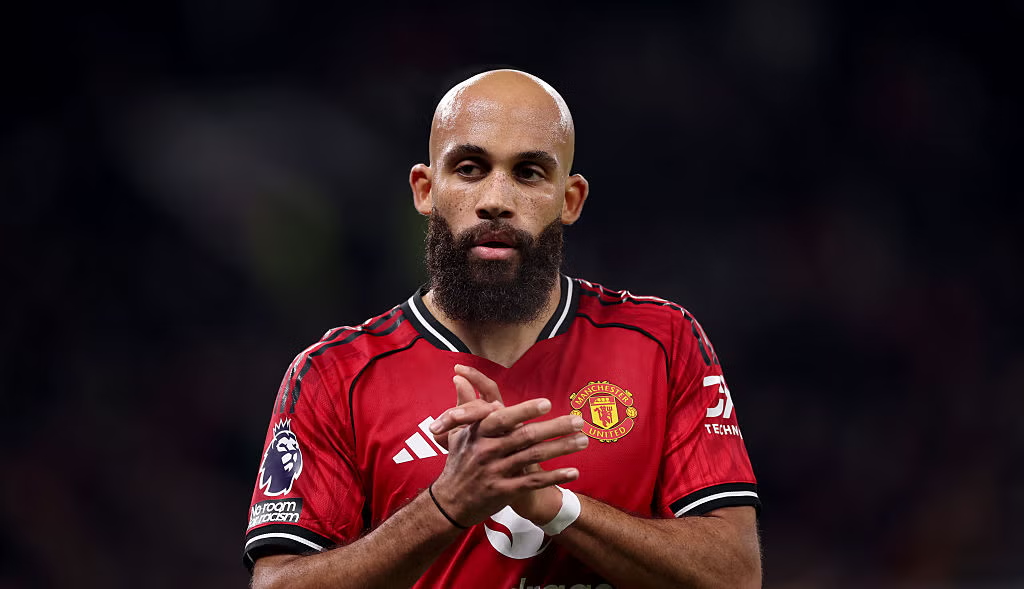
This compressed schedule has led to significant dissatisfaction among many teams, particularly regarding the sudden reduction in the player release window. Clubs are now required to release players less than a week before the opening game, a situation reminiscent of the 2022 World Cup. While this shortens crucial preparation time for national coaches, it means players, especially those in top European leagues, arrive sharp and match-ready.
The group stages are set to run from Sunday, December 21, to Wednesday, December 31. The knockout rounds will then begin on Saturday, January 3, culminating in the final on Sunday, January 18, at the Prince Moulay Abdellah Stadium in Rabat. The tournament structure will see the top two teams from each of the six groups, along with the four best third-placed teams, advance to the last-16.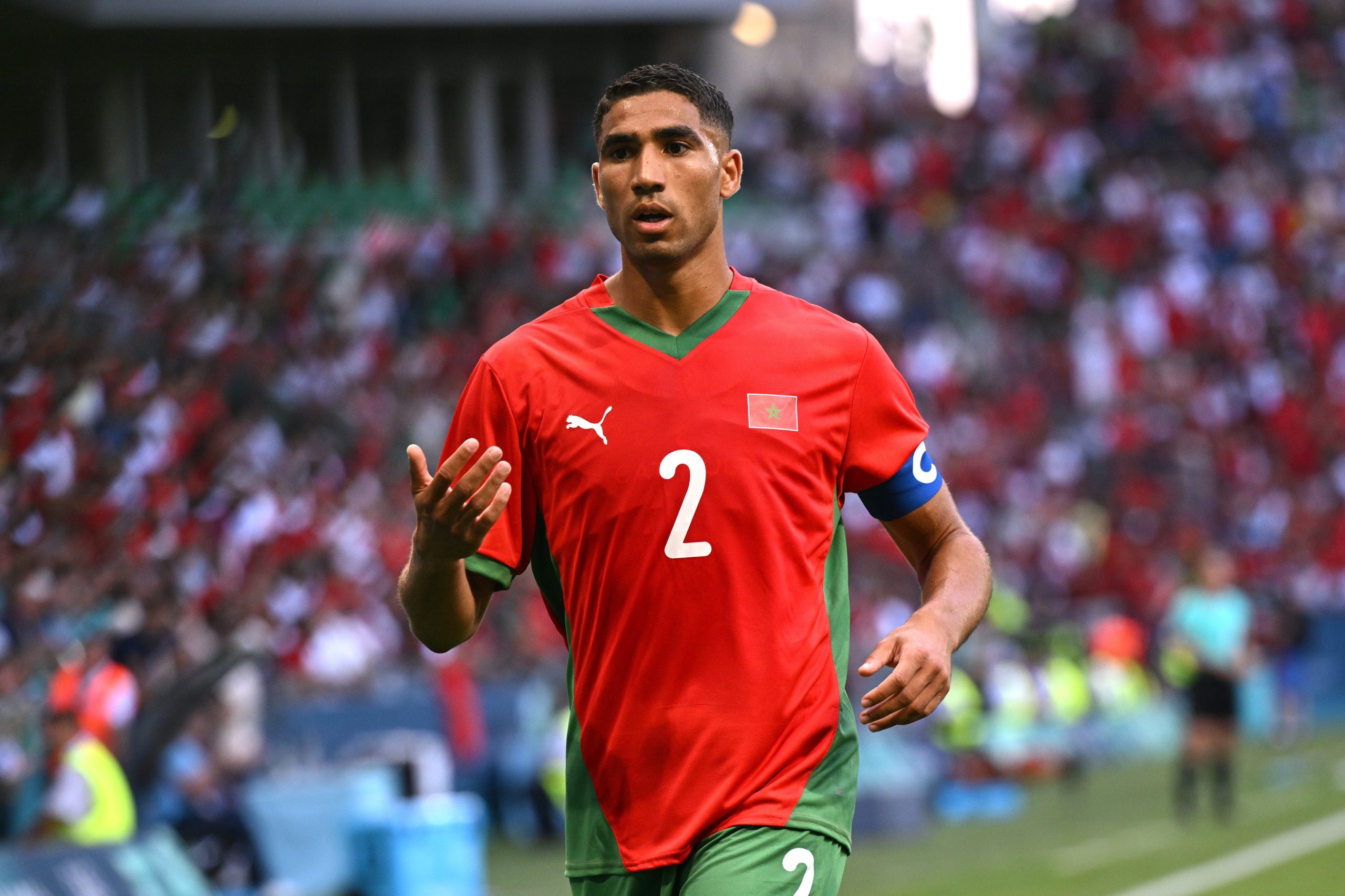
Several key matches are expected to shape the tournament’s narrative. The opening fixture between Morocco and Comoros on December 21 will test the hosts’ resolve. Morocco’s squad, led by coach Walid Regragui and featuring star defender Achraf Hakimi and recent Spain defector Brahim Diaz, seeks to rebound from a disappointing last-16 exit at the previous AFCON. Comoros, known for their stunning upset of Ghana in 2022, aim to continue their underdog journey.
Group B offers a blockbuster clash on December 26 as Egypt faces South Africa. Mohamed Salah, the Egyptian captain and Liverpool star, will be highly motivated to secure his first AFCON title with the Pharaohs, the tournament’s most successful side with a record seven championships. A victory would be a significant addition to his illustrious career, particularly after his recent high-profile interview before departing his club.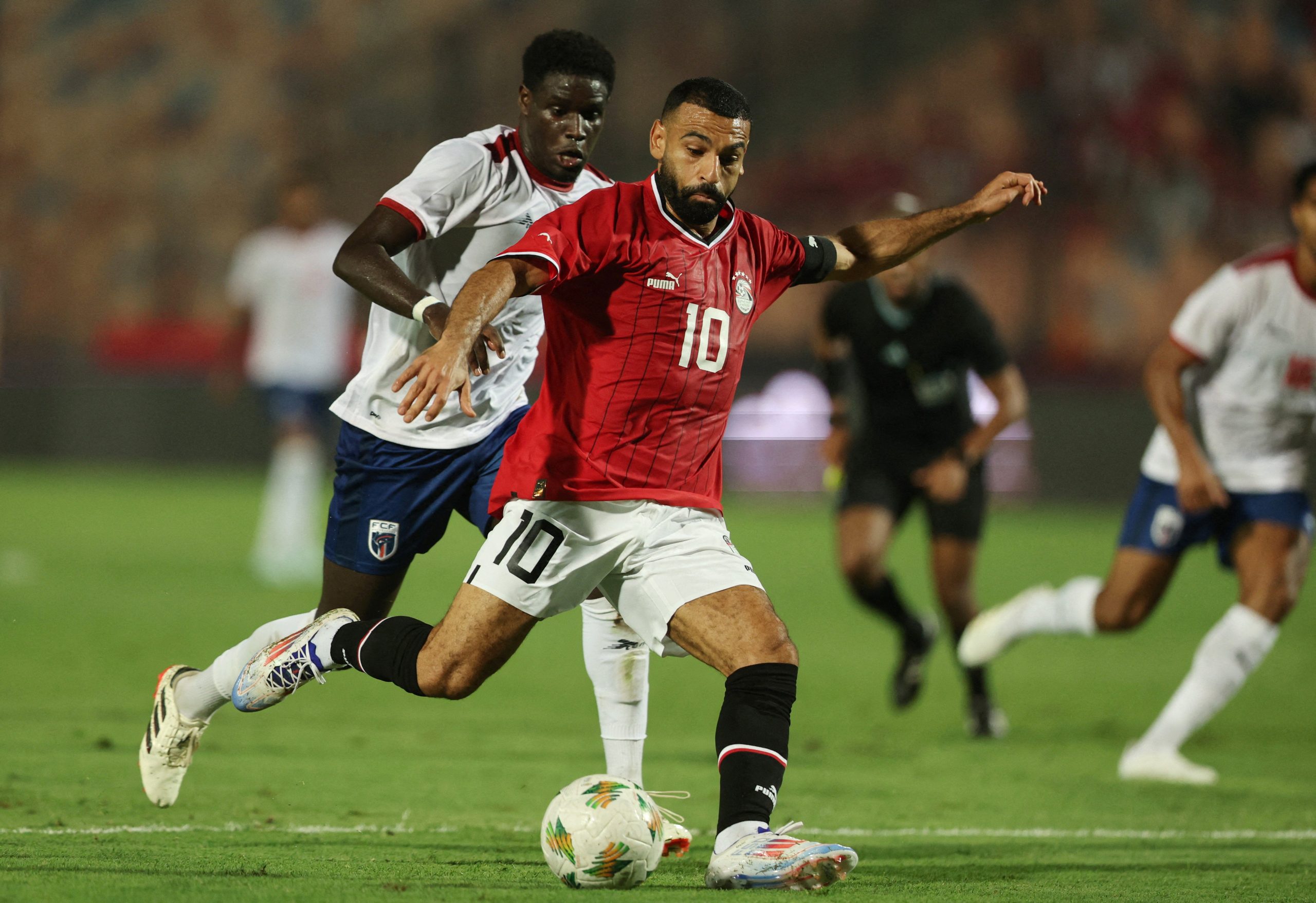
Nigeria, runners-up in the last AFCON, will face Tunisia on December 27 in a crucial Group C encounter. The Super Eagles enter the tournament under pressure, having failed to qualify for the World Cup for the second consecutive time. Despite this setback, their squad boasts considerable talent, including Victor Osimhen and Ademola Lookman, positioning them as strong contenders for the title.
Another compelling fixture on December 27 sees reigning champions Senegal take on DR Congo in Group D. DR Congo arrives with momentum, having secured impressive victories over Cameroon and Nigeria to reach the World Cup intercontinental play-offs, signalling their potential as dark horses. Senegal, featuring talismanic figures like Sadio Mane, Ismaila Sarr, and Nicolas Jackson, will be keen to defend their title against a formidable opponent.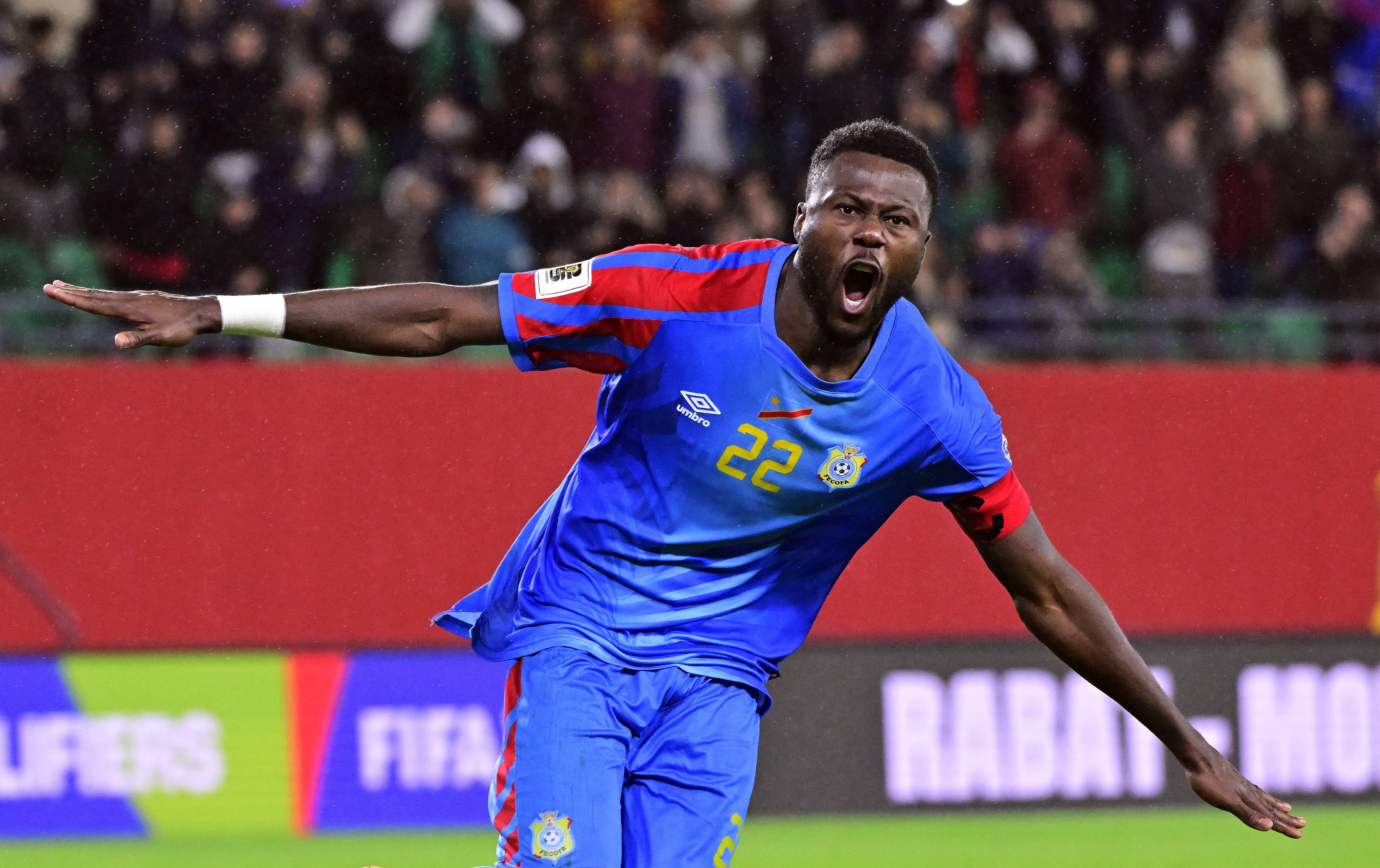
Algeria’s match against Sudan on December 24 carries particular poignancy. Sudan’s qualification for the tournament is remarkable, given the ongoing civil war and humanitarian crisis in their home country, forcing them to play qualifying matches at neutral venues. Their resilience, including taking four points from Ghana, underscores their determination and makes their opening game a powerful moment.
Group F features a heavyweight clash between Ivory Coast and Cameroon on December 28. Ivory Coast, champions two years ago, face uncertainty with Sebastian Haller a doubt due to injury, though the return of Wilfried Zaha and the form of Amad Diallo offer firepower. Cameroon, meanwhile, endured a chaotic build-up, including the dismissal of coach Marc Brys just weeks before the tournament and the controversial exclusion of captain Vincent Aboubakar and goalkeeper Andre Onana from the squad, raising questions about their stability and performance.
For viewers in the UK, every match of AFCON 2025 will be broadcast live across Channel 4’s platforms, including Channel 4, E4, 4 Seven, and available for streaming online via the Channel 4 service or YouTube.

![[post_title]](https://samony.com.ng/wp-content/uploads/2025/12/1766147274_14-dehumidifier-is-free-to-run-and-amazing-for-tackling-300x158.jpg?lm=694544CB "Electricity-Free Moisture Absorber Offers Affordable Condensation Solution")
![[post_title]](https://samony.com.ng/wp-content/uploads/2025/12/1766147824_Jake-Pauls-fiancee-is-professional-athlete-whos-an-absolute-knockout-300x158.jpg?lm=694546F2 "Jutta Leerdam: Olympic Skater Forges Global Brand Amid Jake Paul Spotlight")
![[post_title]](https://samony.com.ng/wp-content/uploads/2025/12/Wike-PDP-Faction-Plans-National-Convention-After-State-Congresses-In-300x175.jpeg?lm=694540B4 "Wike-Loyal PDP Faction Eyes 2026 Convention, Demands INEC Validation")
![[post_title]](https://samony.com.ng/wp-content/uploads/2025/12/1766145954_Three-persistent-symptoms-in-your-feet-that-could-be-a-300x158.jpg?lm=69453FA3 "Persistent Foot Symptoms May Indicate High Cholesterol Risk")
![[post_title]](https://samony.com.ng/wp-content/uploads/2025/12/Wiz-Khalifa-Handed-Nine-Month-Romanian-Jail-Term-Over-On-Stage-Cannabis-300x172.jpg?lm=69453FE6 "Wiz Khalifa Gets Nine-Month Romanian Jail Term for On-Stage Drug Use")
![[post_title]](https://samony.com.ng/wp-content/uploads/2025/12/French-court-jails-30-year-old-woman-for-her-role-300x150.jpg?lm=69453B7A "French Court Jails Woman for Islamic State Terror Conspiracy")


![[post_title]](https://samony.com.ng/wp-content/uploads/2025/12/1766147274_14-dehumidifier-is-free-to-run-and-amazing-for-tackling-1024x538.jpg?lm=694544CB "Electricity-Free Moisture Absorber Offers Affordable Condensation Solution")
![[post_title]](https://samony.com.ng/wp-content/uploads/2025/12/1766147824_Jake-Pauls-fiancee-is-professional-athlete-whos-an-absolute-knockout-1024x538.jpg?lm=694546F2 "Jutta Leerdam: Olympic Skater Forges Global Brand Amid Jake Paul Spotlight")
