

Analyzing the AFCON 2025 Diaspora Tour: More Than Just a Game?
CAF’s TotalEnergies AFCON Morocco 2025 Diaspora Tour recently kicked off, making stops in London and Paris. At first glance, it’s a simple promotional push. The trophy gets paraded around, fans get excited, and awareness builds for the upcoming tournament. But digging deeper, this initiative reveals some interesting trends and perhaps, a subtle shift in how African football organizations engage with their global audiences.
The tour’s stated aim is to “showcase the spirit of African football” and build a bridge between the continent and its diaspora. Fair enough. Nostalgia sells. Football unites. We’ve seen it all before. Yet, the specific locations – London and Paris – tell a story of their own. These aren’t random choices. They are strategic hubs with substantial African diaspora populations, a key demographic for increasing viewership, merchandise sales, and overall engagement with the AFCON brand. >
>
The emphasis on celebrating iconic African players who’ve achieved success in Europe raises an eyebrow. Of course, these players are role models and sources of pride. But the focus can inadvertently reinforce a narrative where success is defined by European standards. It’s a delicate balance. The tour must celebrate these players without inadvertently diminishing the value of playing and excelling within African leagues.
It’s worth pointing out the involvement of TotalEnergies. Corporate sponsorships are the lifeblood of modern sports, but they also come with inherent complexities. TotalEnergies’ heavy investment raises questions about influence and the potential for commercial interests to overshadow the core values of the sport. This isn’t necessarily a criticism, but a realistic observation.
The visuals from the tour are slick and professionally produced. Social media is flooded with curated content designed to generate buzz. This is standard practice. Still, it speaks to the growing sophistication of African football’s marketing efforts. CAF clearly recognizes the power of digital platforms in reaching a younger, globally connected audience.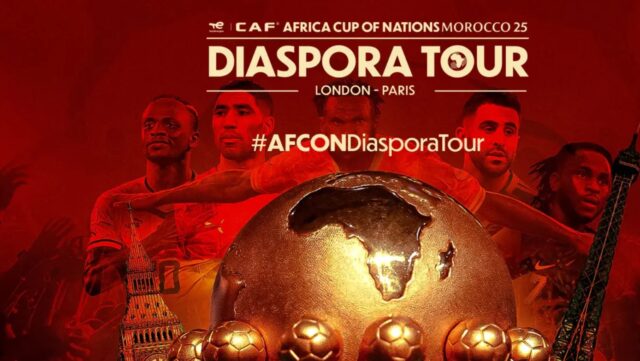 >
>
This drive for global appeal isn’t without risks. As African football strives to expand its reach, it must carefully guard against losing its unique identity. The things that make African football special – the passion, the unpredictability, the vibrant local cultures – are all too easily diluted in the pursuit of a homogenized, international product.
One wonders about the actual impact of such tours. Do they genuinely translate into increased viewership and revenue? Or are they primarily feel-good PR exercises? Measuring the return on investment for these initiatives can be tricky. Hard data is crucial to assess the long-term value of these efforts.
Consider the perspective from within the diaspora. Do these events genuinely resonate with the target audience? Or do they come across as superficial attempts to capitalize on their heritage? Authentic engagement requires a deep understanding of the diaspora’s diverse experiences and perspectives.
The tour’s focus on London and Paris leaves other significant diaspora communities feeling unaddressed. What about the United States? Brazil? Other European cities with large African populations? A truly global strategy would require a more inclusive and geographically diverse approach.
This initiative represents a larger trend: African football’s ambitious climb onto the world stage. The AFCON is a valuable product, and CAF is actively working to enhance its brand appeal and commercial viability. It is a complex balancing act to maintain the tournament’s core values with the demands of the marketplace.
Yet, beneath the surface of glitzy events and corporate partnerships lies the reality of developing football infrastructure at the grassroots level. Without sustained investment in youth development, coaching education, and improved facilities, the long-term prospects of African football could be limited.
It’s also worth considering the role of technology. Could virtual experiences and online engagement initiatives offer a more cost-effective and accessible way to connect with the global diaspora? Perhaps a hybrid approach, combining physical events with digital activations, could offer the best of both worlds.
There is a sense that African football is at a crossroads. The path it chooses in the coming years will determine its place in the global sporting landscape. The AFCON 2025 Diaspora Tour serves as a microcosm of the challenges and opportunities that lie ahead. It’s a chance to connect with fans, promote the tournament, and generate excitement. Whether it translates into meaningful, sustainable growth remains to be seen.
Ultimately, the success of this tour, and indeed the future of African football, hinges on authenticity, inclusivity, and a unwavering commitment to developing the game from the ground up. It’s not just about showcasing the stars; it’s about nurturing the next generation of talent and ensuring that African football remains true to its roots. The upcoming AFCON in Morocco is a significant event, and how it’s promoted will speak volumes about the direction CAF hopes to travel.

![[post_title]](https://samony.com.ng/wp-content/uploads/2025/11/1764263918_Tinubu-approves-membership-of-US-Nigeria-Working-Group-300x210.jpg?lm=692887EF "Tinubu’s Security Working Group: Translating US Collaboration into Measurable Impact on Nigerian Lives")
![[post_title]](https://samony.com.ng/wp-content/uploads/2025/11/Rayo-Vallecano-starting-XI-in-Bratislava-300x200.jpeg?lm=692888F8 "Can Rayo Vallecano Conquer Bratislava? Tactics & Ambitions Face a Critical Test.")
![[post_title]](https://res.cloudinary.com/dxgxupqqj/images/w_300,h_200,c_scale/f_auto,q_auto/v1764193487/1764192904_Everything-we-know-about-suspected-DC-shooter-Suspect-in-custody/1764192904_Everything-we-know-about-suspected-DC-shooter-Suspect-in-custody.jpeg?_i=AA "DC National Guard Shooting: Examining Immigration, Vetting, and Violence")
![[post_title]](https://samony.com.ng/wp-content/uploads/2025/11/IGP-Speaks-On-Wike-Police-Navy-Confrontation-I-Was-Not-Present-300x159.jpeg?lm=6928863F "Police vs. Navy?! Inside Nigeria’s Security Agency Feud (It’s Messier Than You Think)")

![[post_title]](https://samony.com.ng/wp-content/uploads/2025/11/Afreximbank-Warns-African-Governments-On-Deep-Split-In-Global-Commodities-300x188.jpeg?lm=692881E7 "Afreximbank Sounds the Alarm: Is Your African Economy Ready for the New Commodity Reality?")

![[post_title]](https://samony.com.ng/wp-content/uploads/2025/11/1764263918_Tinubu-approves-membership-of-US-Nigeria-Working-Group.jpg?lm=692887EF "Tinubu’s Security Working Group: Translating US Collaboration into Measurable Impact on Nigerian Lives")
![[post_title]](https://samony.com.ng/wp-content/uploads/2025/11/Rayo-Vallecano-starting-XI-in-Bratislava.jpeg?lm=692888F7 "Can Rayo Vallecano Conquer Bratislava? Tactics & Ambitions Face a Critical Test.")
