Nollywood actress Doris Ogala has publicly accepted an apology from Pastor Chris Okafor, who addressed a recent controversy during a church service. The cleric, in a widely circulated video, acknowledged that “mistakes have been made” and offered his regrets concerning their public dispute. Ogala shared the video on her Instagram, confirming her forgiveness while voicing a specific objection to the pastor’s assertion that the allegations were entirely untrue.
Ogala stated, “Chris Okafor, I forgive you, but there’s a problem where you said everything is a lie. I have a problem with that because I don’t lie.” While she expressed appreciation for the gesture of apology, the actress maintained her stance on the accuracy of her previous statements. Her response highlights a nuanced approach to reconciliation, valuing forgiveness but refusing to be characterized as untruthful.
The public reaction to Ogala’s statement has been varied, with many commending her for extending forgiveness. However, a segment of social media users has engaged in discussions, questioning the validity of the initial allegations and the pastor’s subsequent apology. This development comes after Ogala previously made serious claims against Pastor Okafor, including accusations of marital betrayal and other disturbing allegations.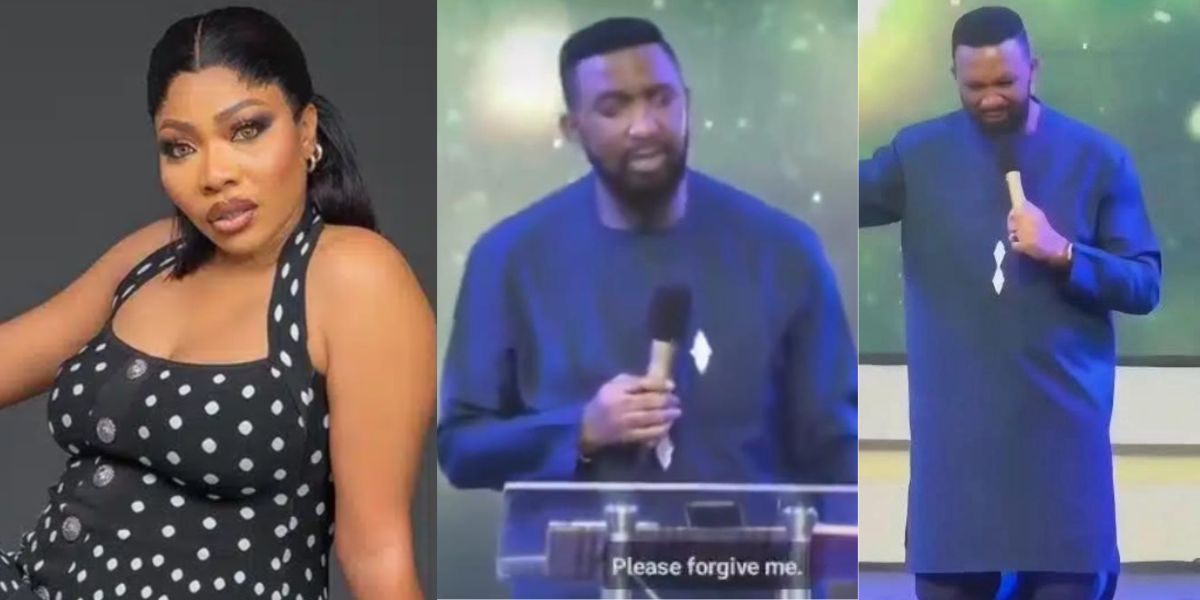
The ongoing public exchange between the actress and the pastor has captured significant attention online. The situation continues to be a subject of widespread discussion, with many observers keenly following the unfolding events. The controversy has illuminated the complexities of public apologies and the challenges of resolving disputes when differing accounts persist.
Pastor Okafor’s public apology represents a significant step in addressing the rift that has emerged between him and the prominent actress. His acknowledgment of errors and offer of forgiveness aim to de-escalate the situation and potentially mend damaged relations. The impact of such public pronouncements often extends beyond the individuals directly involved, influencing public perception and dialogue.
Ogala’s reaction underscores the importance of personal integrity even amidst attempts at reconciliation. Her insistence on not being labelled a liar, despite forgiving the pastor, suggests a commitment to truth as she perceives it. This delicate balance between forgiveness and upholding one’s narrative is a recurring theme in public disputes of this nature.
The public’s fascination with this ongoing drama reflects a broader interest in the intersection of faith, celebrity, and personal conflict. Social media platforms have become arenas where such narratives are amplified and debated, shaping public opinion and influencing how these situations are perceived. The outcome of this particular dispute remains a topic of keen interest for many.
The controversy initially gained traction following allegations made by Doris Ogala, which involved serious accusations concerning Pastor Chris Okafor. These claims, particularly those related to alleged marital betrayal, sparked considerable debate and brought the pastor under scrutiny. The apology now offered is a direct response to the fallout from these initial allegations.
As the situation evolves, the public will likely continue to dissect the statements made by both parties. The nuances of forgiveness, truth, and public accountability are central to this ongoing narrative. The differing perspectives presented by Ogala and Okafor create a compelling dynamic for public discourse.
Ultimately, the resolution of this matter will be watched closely by those invested in the public lives of both the actress and the pastor. The way in which such disputes are handled can serve as a barometer for societal attitudes towards forgiveness and accountability in the public sphere. The conversation surrounding this apology is far from over, with many anticipating further developments.