

Viral Wedding Video: A Glimpse into Nigerian Social Media Dynamics
A recent wedding video featuring a Nigerian naval officer, Lt. Yerima, and his bride has taken social media by storm. A seemingly innocuous clip, it captured the attention of online users, sparking conversations about his demeanor and its perceived rarity. It highlights the kinds of content that grab public attention and offers insights into the values Nigerians place on certain behaviors.
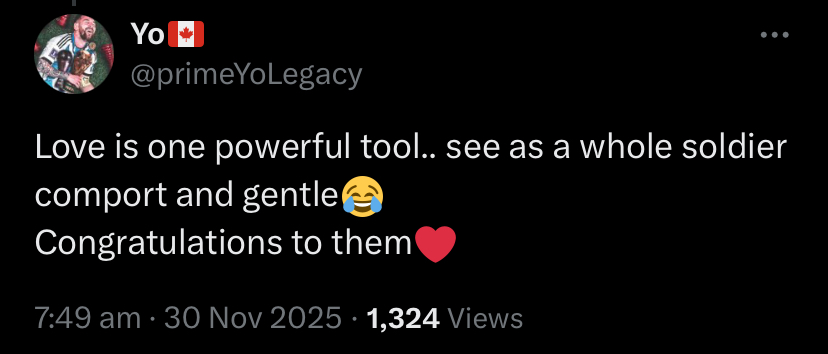
The buzz started after a Twitter user, @primeYoLegacy, shared his observation about Lt. Yerima’s composed and gentle behavior during the wedding ceremony. The video shows the officer seated beside his wife, with an older woman positioned between them. This simple arrangement seems to have struck a chord, leading to widespread admiration and commentary. It’s interesting how a brief, unscripted moment can resonate so powerfully with a large audience. >
>
Nigerians’ reactions to this video reveal a lot. Many commenters praised Lt. Yerima’s composure, suggesting it contrasted with expectations of how a “soldier” might act in a personal setting. The comments reflect underlying assumptions about masculinity and the perceived need for individuals in positions of power to maintain a stoic facade. Do these expectations hold individuals back? It is worth asking.
Yet, behind the surface-level admiration lies a deeper question: what makes this video so compelling? Is it the unexpected juxtaposition of military bearing and gentle conduct? Does it tap into a desire for leaders to show vulnerability and emotional intelligence? These are factors that contribute to the video’s viral success.
In any case, social media virality remains difficult to predict. Some content explodes organically, while other, seemingly identical, pieces fade into obscurity. The Lt. Yerima video likely benefited from a combination of factors: a relatable scenario, a striking visual, and a narrative that resonated with prevalent social values.>
It’s worth noting that these fleeting moments of online fame can be both beneficial and challenging for those involved. While Lt. Yerima may enjoy the positive attention, he and his wife likely didn’t anticipate such public scrutiny of their private lives. The episode serves as a reminder of the double-edged sword that is social media visibility.
This kind of event is not isolated. Similar videos frequently circulate, showcasing everyday people in extraordinary situations or displaying unexpected behavior. They capture our attention because they disrupt expectations and offer a glimpse into the human experience. The underlying story usually involves challenging commonly held stereotypes.
This challenge is not just limited to social media. Traditional media outlets are also attuned to these trends, amplifying stories that resonate with online audiences. There’s a constant feedback loop between social platforms and mainstream news, shaping public discourse and influencing perceptions.
Given these facts, it is necessary to consider the ethical implications of viral content. While sharing and commenting can be harmless fun, it’s essential to be mindful of privacy and avoid perpetuating harmful stereotypes. A moment of levity can quickly turn into a source of embarrassment or even harm for those involved.
I’ve observed similar patterns in the past. A local baker who was captured dancing in his bakery shot to prominence after a short video took off. A taxi driver who gave back a wallet that contained a lot of money also had the same effect on social media. The key takeaway here is that authenticity and genuine human connection continue to be the driving forces behind online virality.
This event also highlights the power of simple narratives. The “soldier showing gentleness” storyline is easy to grasp and fits into established cultural frameworks. Complex issues often get boiled down to easily digestible soundbites, for better or worse.
Still, these fleeting moments of viral fame can offer valuable lessons. They can highlight social values, expose hidden biases, and spark conversations about important issues. The key is to approach them with a critical eye, recognizing both their entertainment value and their potential for deeper meaning.
To that end, it’s crucial to remember that social media reflects only a small slice of reality. While it can offer insights into public opinion and cultural trends, it’s not a substitute for informed analysis and critical thinking. The online world can sometimes exist in isolation.
Ultimately, the Lt. Yerima video is a reminder of the human element in online interactions. It highlights our shared desire for connection, our fascination with unexpected behavior, and our tendency to interpret events through existing cultural lenses. The real story is what people want to see.
Social media has changed the way we look at news. It has turned everyone into a reporter. Yet, it is important to understand the motivations and biases behind what is shared. This awareness helps us engage with online content in a more responsible and informed way. It is important that content is consumed with the right perspective.
Going forward, it will be interesting to see how social media continues to evolve and shape public discourse. One thing is certain: these platforms will continue to serve as mirrors, reflecting both our best and worst tendencies back at us. They will highlight our commonalities and differences. The real change will be in how we relate to these highlights.

![[post_title]](https://samony.com.ng/wp-content/uploads/2025/12/1764572792_Labour-MP-sentenced-to-two-years-in-prison-after-major-300x158.jpg?lm=692D3E79 "Labour MP sentenced to two years in prison after major corruption scandal")
![[post_title]](https://samony.com.ng/wp-content/uploads/2025/12/Mystery-as-Man-Killed-and-Body-Dumped-along-Busy-Highway-300x201.jpeg?lm=692D2FFD "Mystery as Man Killed and Body Dumped along Busy Highway in Suspected Love Gone Wrong")
![[post_title]](https://samony.com.ng/wp-content/uploads/2025/12/How-A-TikTok-Video-Cost-A-Young-Lady-Her-Dream-300x182.png?lm=692D3786 "How A TikTok Video Cost A Young Lady Her Dream Job Just Days After Being Hired")

![[post_title]](https://samony.com.ng/wp-content/uploads/2025/12/1764570965_Major-high-street-brand-with-50-stores-set-to-be-300x158.jpg?lm=692D3758 "Major high street brand with 50 stores set to be taken over by WHSmith’s new owners")


![[post_title]](https://samony.com.ng/wp-content/uploads/2025/12/Roblox-The-Forge-Codes-November-2025.png?lm=692D3E34 "Roblox The Forge Codes November 2025")
![[post_title]](https://samony.com.ng/wp-content/uploads/2025/12/1764572792_Labour-MP-sentenced-to-two-years-in-prison-after-major-1024x538.jpg?lm=692D3E79 "Labour MP sentenced to two years in prison after major corruption scandal")
