


Navigating the path to a legal career in Nigeria requires a clear understanding of university admission processes, particularly the crucial role of the West African Examinations Council (WAEC) results. This comprehensive Nigerian law admission guide aims to demystify the requirements, offering insights into what it takes to secure a coveted spot in a law faculty. Recent events, such as the public discussion surrounding influencer Peller’s law admission and his past WAEC results, highlight the intense scrutiny and specific criteria candidates must meet. Aspiring lawyers need more than just ambition; they need precise academic qualifications.
What are WAEC requirements for law? To gain admission to study law in most Nigerian universities, candidates typically need at least five credit passes in their WAEC O’Level results, including English Language, Literature in English, Mathematics, and two other relevant subjects, obtained in not more than two sittings.
The core of any successful application lies in the correct WAEC subject combination for law explained thoroughly. While English Language and Literature in English are almost universally mandatory, some universities may also require specific social science subjects like Government or Economics. Mathematics, though often seen as less directly related to law, is frequently a compulsory subject for overall university entry, ensuring a well-rounded academic foundation. Understanding these prerequisites early is vital to avoid last-minute complications.
For many students, the question of how to get law admission with low WAEC scores can be a significant concern. While direct entry into law with genuinely low scores is challenging, options such as pre-degree programs, remedial courses, or exploring other related fields before attempting a transfer may exist. Some institutions might offer diploma programs that, upon successful completion, can pave the way for a university law degree, albeit often through a longer route. Persistence and strategic planning are key for those who do not meet the initial high academic thresholds.
The recent Peller law admission controversy brought national attention to the intricacies of university entry. When the popular influencer’s old WAEC result surfaced, showing an ‘E’ in Yoruba and a ‘cancelled’ grade in Literature in English, it sparked widespread debate. Literature in English is a non-negotiable prerequisite for law in most Nigerian universities, leading many to question the legitimacy of his alleged admission to Caleb University. This public discourse underscores the importance of transparent admission processes and the strict adherence to academic standards.
The specific institution, allegedly Caleb University, became central to the discussion. While the university has not officially commented on the individual case, the controversy prompts a broader look into Caleb University law accreditation status and general university policies. Reputable universities maintain rigorous standards for their law faculties, often requiring full accreditation from the National Universities Commission (NUC) and the Council of Legal Education to ensure their graduates are eligible for the Nigerian Law School. Any deviation from these standards can compromise a student’s future legal career.
Beyond WAEC, many students also take the National Examination Council (NECO) exams. Understanding the WAEC vs NECO requirements for law is crucial, as both are recognized by Nigerian universities. Generally, the subject combinations and credit pass requirements are similar across both examination bodies. However, applicants should always verify the specific preferences or requirements of their chosen university, as some institutions might have slight variations in how they weigh results from each body, or in some rare cases, accept one over the other for specific courses.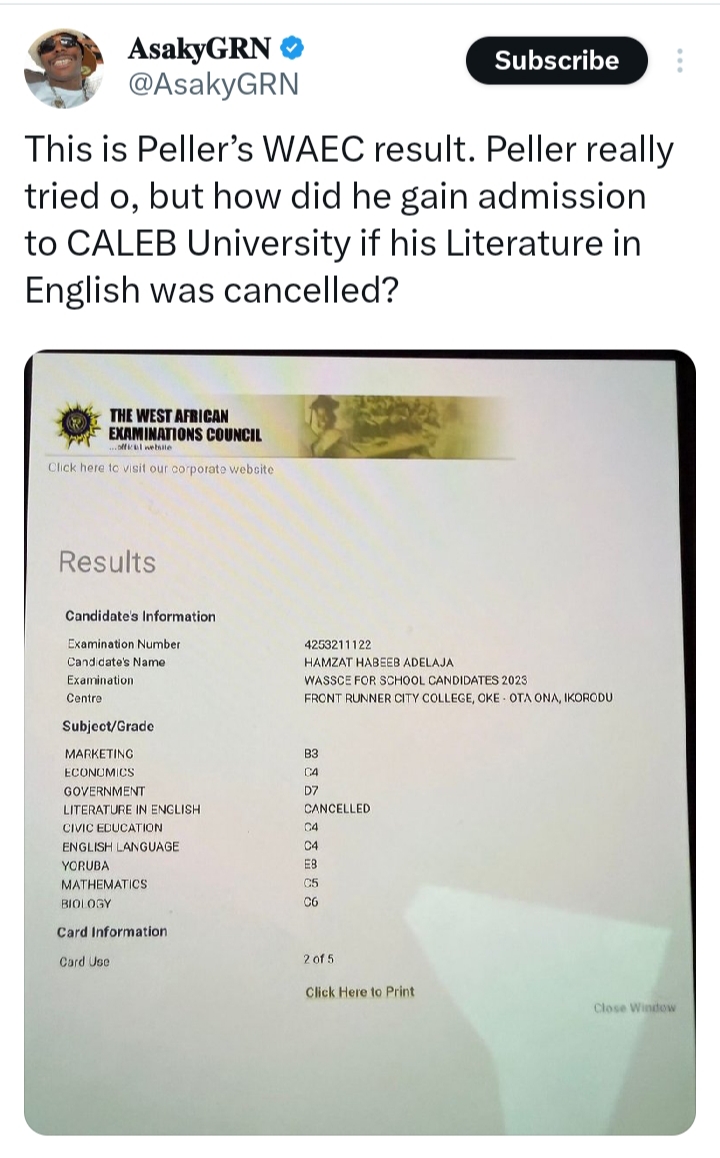
For candidates who already possess a relevant diploma, NCE, or A-Level qualifications, university law admission vs direct entry presents an alternative pathway. Direct entry typically allows candidates to bypass the Unified Tertiary Matriculation Examination (UTME) and gain admission directly into the second year of a law program. However, the academic requirements for direct entry are equally stringent, often demanding high grades or specific subject combinations at the advanced level. This route is popular among those seeking to transition from other academic backgrounds.
As we look towards the future, aspiring legal professionals will benefit from a comprehensive Nigerian law admission guide 2026. While core requirements are unlikely to change drastically, slight adjustments in admission policies, UTME cut-off marks, or even the introduction of new prerequisite subjects are always possible. Staying informed through official university brochures, JAMB publications, and education news updates will be paramount for those planning their applications for the 2026 academic year and beyond.
To succeed in gaining admission, candidates should prioritize consistent study, aim for distinctions in their O’Level subjects, and practice past UTME questions diligently. Beyond academic prowess, developing critical thinking, strong communication skills, and an understanding of current affairs can give applicants an edge. Engaging in debates, reading widely, and participating in mock trials can also prepare one for the intellectual rigors of a law degree.
In conclusion, navigating the complexities of university admission in Nigeria, especially for a demanding field like law, requires meticulous preparation and a thorough understanding of all requirements. From the fundamental WAEC subject combinations to understanding the nuances of direct entry and staying abreast of the latest updates, every step is vital. The ongoing discussions, such as the Peller law admission controversy, serve as stark reminders of the importance of academic integrity and meeting stipulated criteria. By following this Nigerian law admission guide, prospective law students can confidently pursue their dreams of a legal career.






