


The political landscape of Kano State, Nigeria, has been significantly reshaped by the formal announcement of Governor Abba Kabir Yusuf’s resignation from the New Nigeria People’s Party (NNPP). This major development, which also saw a mass defection of federal and state legislators, alongside local government chairmen, signals a critical juncture for the NNPP and Nigerian politics as a whole. The Kano Governor NNPP resignation explained is a complex issue rooted in deep internal crises and leadership disagreements that have plagued the party, leading to a profound shift in political alliances within the state.
Why did Kano Governor resign from NNPP? Governor Yusuf cited deepening internal crises and persistent legal disputes that he believes have severely weakened the party’s cohesion and stability at both the state and national levels. His decision, formally conveyed in a letter dated January 25, 2026, to the NNPP chairman of Diso-Chiranchi Ward, highlighted growing divisions and disenfranchisement among members, making the party’s internal rifts appear increasingly irreconcilable. This move, he stated, was made in good faith and in the best interest of the people of Kano State.
What is the NNPP crisis? The NNPP crisis refers to the escalating internal conflicts, leadership disputes, and legal battles that have weakened the New Nigeria People’s Party’s cohesion and stability at both state and national levels, culminating in high-profile defections like that of the Kano State Governor and numerous other elected officials.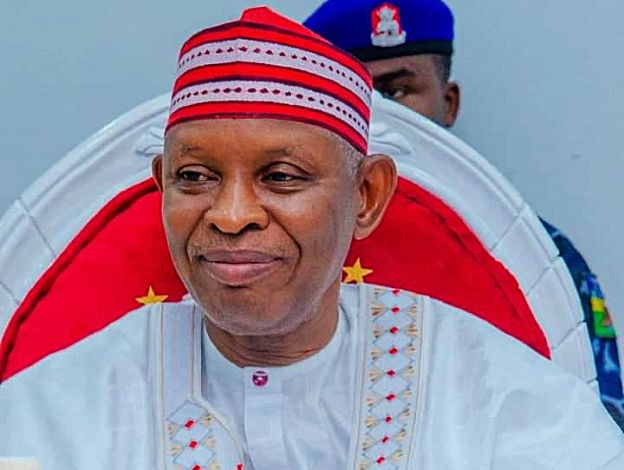
This dramatic political development was not an isolated incident. Accompanying Governor Yusuf’s exit were 21 members of the Kano State House of Assembly, eight members of the House of Representatives, and 44 local government chairmen. This mass exodus represents a significant blow to the NNPP’s structure and influence, particularly in a politically pivotal state like Kano. For those seeking a kano governor resignation latest update, the scale of these defections underscores the severity of the party’s internal struggles.
The resignation also brings into sharp focus the kwankwaso vs abba yusuf political rivalry. Dr. Musa Kwankwaso, the revered political godfather, and Governor Yusuf, his erstwhile protégé, have been at the center of escalating intrigues for months. This rift between mentor and mentee is understood to be a primary driver behind the governor’s decision, highlighting the often-turbulent nature of political allegiances in Nigeria. Analysts suggest the breakdown in this key relationship proved too significant for the party to contain.
The kano political crisis explained extends beyond personality clashes to the very fabric of party loyalty and structure within Nigeria. Such high-profile defections are a recurring feature of the nation’s political landscape, often driven by power struggles, ideological differences, or the pursuit of more favorable political platforms. The fluidity of party membership means that political stability can often be precarious, with significant implications for governance and public trust.
Observers are keenly watching the potential nnpp vs apc kano dynamic in the wake of these defections. Reports indicate a ‘spiraling lobby’ involving Dr. Umar Ganduje, a former national chairman of the All Progressives Congress (APC) and immediate past governor of Kano State. This suggests a strategic realignment, potentially paving the way for Governor Yusuf and his loyalists to join the APC, thereby shifting the balance of power in the state significantly. The implications for future elections are profound.
For those interested in a nigerian political defections guide, the Kano scenario offers a textbook example. Defections often occur when internal party mechanisms fail to resolve disputes, when a faction feels marginalized, or when a more promising political vehicle emerges. These movements are typically calculated, aiming to consolidate power or secure future electoral success, though they can also lead to unpredictable outcomes and further instability within the political system.
Looking ahead, the kano politics 2026 forecast will undoubtedly be shaped by these recent events. With the resignation formally taking effect on January 25, 2026, the political maneuvering leading up to that date will be critical. The NNPP will face an uphill battle to regain its footing and rebuild its base, while other parties, particularly the APC, may capitalize on the disarray. This period will be crucial for understanding the future direction of the state’s governance and electoral dynamics.
Furthermore, an nnpp crisis analysis 2026 will need to examine not just the immediate causes of the defections but also the long-term structural weaknesses within the party that made such an exodus possible. The ability of the NNPP leadership to address these fundamental issues will determine its viability as a national political force. The coming months will reveal the true extent of the damage and the potential for recovery or further fragmentation. Ultimately, the Kano Governor NNPP resignation explained marks a pivotal moment, signaling a significant recalibration of political power and alliances within Kano State and potentially influencing the broader Nigerian political narrative.






