

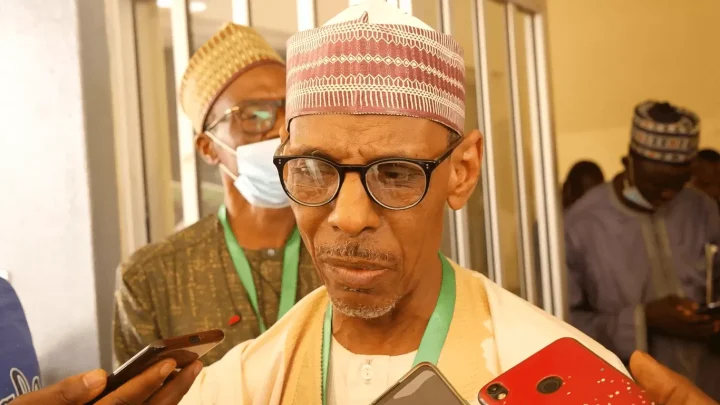
The political landscape in Nigeria is currently abuzz with a significant suggestion from Hakeem Baba-Ahmed regarding the potential for Peter Obi to emerge as the African Democratic Congress (ADC) flagbearer. This pivotal discussion hinges on the hypothetical scenario where former Vice President Atiku Abubakar might step down from his presidential aspirations. Such a move would undoubtedly send ripples across the nation’s political spectrum, reshaping alliances and strategies for the upcoming electoral cycles. The implications of Obi potentially leading the ADC are profound, touching upon voter sentiment, party dynamics, and the broader quest for national leadership. This development highlights the fluid nature of Nigerian politics and the constant jockeying for strategic advantage among key figures and parties. The suggestion, while speculative, underscores a growing desire for fresh leadership and alternative political pathways, especially among younger demographics. The idea of Peter Obi as an ADC flagbearer is gaining traction in various discussions.
For many political analysts, the idea of Atiku Abubakar stepping aside from the presidential race is a significant ‘what if’ scenario. His long-standing presence and influence within the People’s Democratic Party (PDP) have made him a formidable figure, and any consideration of his withdrawal would open up unprecedented opportunities for other candidates. This conversation isn’t merely about individuals but about the future direction of Nigeria’s governance and economic stability. The political chess game involves intricate calculations of regional support, ethnic considerations, and economic policies that resonate with the diverse populace. The suggestion from Baba-Ahmed, a respected voice, adds considerable weight to these ongoing deliberations, pushing them into the mainstream political discourse. Understanding the nuances of these discussions is key to grasping Nigeria’s political future.
What is a presidential flagbearer in Nigerian politics? The answer is that a presidential flagbearer is the officially recognized candidate chosen by a political party to represent them in the presidential election. This individual carries the party’s mandate and vision, leading their campaign efforts to secure the highest office in the nation. The flagbearer is typically selected through a primary election or consensus within the party, symbolizing their collective ambition for leadership.
The prospect of Peter Obi taking on the mantle of the ADC flagbearer brings a unique set of considerations to the fore. Obi, known for his prudent economic policies and appeal to a broad base of voters, especially the youth, could significantly alter the dynamics of the presidential contest. His previous performance and public perception suggest a strong potential to mobilize support beyond traditional party lines. The ADC, as a party, would also gain considerable visibility and credibility by aligning with a figure of Obi’s stature. This strategic alignment could position the ADC as a viable third force, challenging the dominance of the two major parties. The discussion around Obi as ADC flagbearer continues to evolve, drawing attention from various segments of society.
Another crucial aspect of this discussion is the potential impact on the PDP. If Atiku Abubakar were to indeed cede his presidential bid, the PDP would face a critical juncture, needing to swiftly recalibrate its strategy and potentially identify a new standard-bearer. This situation could either lead to internal strife or a renewed sense of unity within the party, depending on how leadership manages the transition. The ripple effect could also influence other political parties, forcing them to reassess their own candidate selections and campaign narratives. The entire political ecosystem would be forced to adapt to such a significant shift, leading to a period of intense political maneuvering and negotiation across the country.
Many Nigerians are keenly interested in understanding the various pathways to power, particularly how to choose a presidential candidate in Nigeria. The process typically involves party primaries where aspirants compete for their party’s ticket, often requiring extensive campaigning, fundraising, and lobbying of party delegates. The Electoral Act provides the framework, but internal party politics often play a significant role. This complex selection process ensures that only candidates with substantial internal party support and resources can emerge as flagbearers. The intricacies of this system often lead to intense competition and strategic alliances among political hopefuls, underscoring the high stakes involved in securing a party’s presidential nomination.
Comparing Peter Obi vs Atiku Abubakar reveals distinct political styles and support bases. Obi is often seen as a reformist, focusing on economic austerity and good governance, appealing strongly to a younger, urban demographic disillusioned with traditional politics. Atiku, on the other hand, represents the established political order, with a vast network and experience, drawing support from traditional power brokers and across various regions due to his long political career. Their approaches to national development and economic management also differ significantly, offering voters a clear choice in ideologies. This comparison is central to many political debates about Nigeria’s future, highlighting the diverse visions for the country’s progress.
Looking ahead to the Nigerian election forecast 2026, such a development could dramatically reshape the electoral map. The emergence of a strong third force, potentially led by Peter Obi under the ADC banner, would introduce a level of unpredictability that has been absent in recent elections. This scenario could lead to a more multi-polar contest, where no single party holds a clear advantage, potentially necessitating run-off elections. The political landscape would become more competitive, forcing all candidates to articulate clearer visions and engage more directly with the electorate on critical issues like economic diversification, security challenges, and youth unemployment. The implications for Nigeria’s democratic process are substantial, promising a more dynamic and potentially transformative election cycle.
The suggestion from Hakeem Baba-Ahmed is not just a passing comment but a strategic proposition that reflects deeper political currents. It speaks to the ongoing search for credible leadership and effective governance in Nigeria. The discussion around Peter Obi’s potential as an ADC flagbearer underscores the public’s desire for alternatives to the status quo and a political system that genuinely addresses their needs. As the political calendar progresses, all eyes will be on how these suggestions evolve and whether they translate into concrete actions that could redefine the trajectory of Nigeria’s next presidential election. The future of the Atiku presidential bid remains a key factor in these evolving political calculations, influencing decisions across multiple parties.
Ultimately, the political maneuvering around presidential bids and flagbearers is a constant feature of Nigeria’s democratic journey. The specific suggestion involving Obi and the ADC, contingent on Atiku’s potential decision, highlights the intricate web of alliances, ambitions, and public expectations that define the nation’s political arena. This ongoing dialogue about leadership and party alignment is crucial for shaping the narratives and outcomes of future elections, ensuring that the democratic process remains vibrant and responsive to the aspirations of the Nigerian people. The potential impact of the Atiku presidential bid on these dynamics cannot be overstated.
Keywords: how to choose a presidential candidate Nigeria, what is a presidential flagbearer, Peter Obi vs Atiku Abubakar, ADC vs PDP party Nigeria, Nigerian presidential election guide, political strategies for beginners Nigeria, Atiku Abubakar news today, Peter Obi presidential update, Nigerian election forecast 2026, presidential candidates guide 2026






