The ongoing debate pitting musical titans Fela Kuti vs Wizkid has once again ignited passionate discussions across the entertainment landscape. Veteran Nigerian entertainer and activist, Charly Boy, widely known as Area Fada, recently weighed in on this contentious comparison, offering a nuanced perspective that challenges the very premise of such a debate. This article delves into his insights, exploring the distinct legacies and impacts of these two iconic figures in African music and why a direct comparison often misses the mark.
Charly Boy’s intervention came amidst a heated exchange, originally sparked by Seun Kuti’s remarks, which saw Wizkid’s fans elevating him to the status of the “new Fela.” Dismissing the comparison as fundamentally misguided, Charly Boy asserted that such arguments often stem from a superficial understanding of history and artistic depth. He highlighted a generational divide in perception, noting that younger audiences frequently base their judgments on fleeting popularity and fame, while seasoned observers tend to evaluate enduring impact and substantive contributions.
What is Fela Kuti’s legacy that makes him a unique figure in music history? Fela Anikulapo-Kuti forged a path as more than just a musician; he was a revolutionary and a potent voice against injustice. His Afrobeat genre, characterized by its complex rhythms and politically charged lyrics, became a global symbol of resistance and a rallying cry for social change. Fela’s stage, Kalakuta Republic, was a sanctuary for truth, and his music served as a powerful microphone for the oppressed, challenging corrupt regimes and advocating for human rights across Africa.
How to compare Fela and Wizkid’s impact when their eras and missions are so different? Wizkid, on the other hand, epitomizes the modern global superstar. His journey from Surulere to international acclaim showcases a remarkable talent for crafting infectious melodies and captivating audiences worldwide. Wizkid’s music, a fusion of Afrobeats, pop, and R&B, has garnered him numerous awards, filled stadiums, and secured collaborations with global icons, cementing his status as a commercial powerhouse and a beacon of contemporary African entertainment.
What is the core difference between Fela Kuti and Wizkid’s artistic impact? The answer is their primary societal roles. Fela Kuti served as a vocal activist, using his music to challenge political oppression and awaken social consciousness. In contrast, Wizkid embodies modern global stardom, focusing on commercial success, entertainment, and offering an escape through his captivating Afrobeats.
When examining Fela Kuti vs Wizkid music styles, the distinctions become even clearer. Fela’s compositions were often lengthy, improvisational, and deeply rooted in traditional Yoruba music and jazz, designed to convey a message rather than just entertain. His raw, unpolished sound reflected the harsh realities he critiqued. Wizkid’s sound, however, is meticulously produced, polished for mainstream appeal, and crafted for dance floors and global charts. His songs are shorter, catchier, and designed for widespread consumption, showcasing the evolution of Afrobeats into a globally recognized pop genre.
The discussion around Wizkid vs Fela Kuti influence highlights their differing purposes. Charly Boy eloquently articulated this, explaining that Wizkid’s music primarily aims to entertain, alleviate pain, and evoke joy, offering a sweet escape from daily struggles. Fela’s compositions, conversely, were designed to provoke thought, instill courage, and awaken minds to societal injustices. One ruled the charts and stages; the other, conscience and activism. Both powerful, yet distinct in their foundational objectives.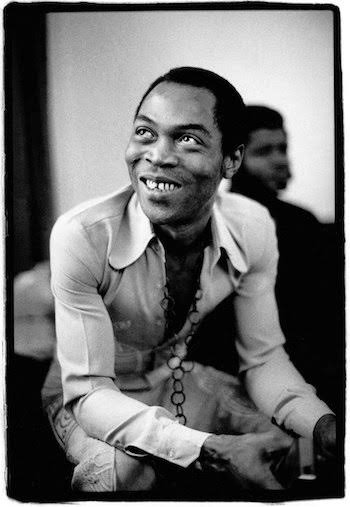
Fela Kuti activism explained through his discography reveals an artist deeply committed to socio-political change. Tracks like “Zombie” and “Suffering and Smiling” were not merely songs but potent critiques of military rule and societal hypocrisy. His life was a testament to resistance, often at great personal cost. Wizkid’s impact is seen in cultural representation and economic empowerment within the music industry, showcasing African talent on an unprecedented global scale. His artistry, while not overtly political, carries the weight of cultural pride and global aspiration.
For those seeking an Afrobeat music for beginners guide, understanding the origins with Fela Kuti and its contemporary evolution with artists like Wizkid is crucial. Fela laid the groundwork, defining the genre’s core elements of rhythm, horn sections, and call-and-response vocals. Modern Afrobeats, championed by Wizkid, has incorporated elements of R&B, hip-hop, and electronic music, broadening its appeal and securing its place on international airwaves. The genre has morphed from a purely political expression into a diverse soundscape of celebration and identity.
The ongoing Charly Boy Fela Wizkid reaction underscores the continued relevance of both artists in contemporary discourse. This debate is not just about musical prowess but about the very definition of greatness and impact in the entertainment world. While some may seek a definitive winner, the wisdom offered by Charly Boy suggests a deeper appreciation for their unique contributions. It’s a testament to the enduring power of their legacies that such comparisons continue to spark widespread discussion and passion among fans and critics alike.
Looking ahead, the landscape for Best Afrobeats artists 2026 will undoubtedly be shaped by the paths forged by both Fela and Wizkid. Future talents will likely draw inspiration from Fela’s fearless lyricism and commitment to authenticity, alongside Wizkid’s masterful global appeal and production sophistication. The genre continues to evolve, pushing boundaries and reaching new audiences, ensuring that the spirit of innovation remains vibrant.
As we approach 2026, a Fela Kuti influence guide 2026 would highlight his lasting imprint on music, fashion, and activism globally. His philosophical approach to art and life continues to inspire generations of artists and activists, far beyond the confines of Nigeria. His message of fighting for truth and justice resonates even more profoundly in a world grappling with complex social and political issues, proving that true greatness transcends time.
Charly Boy brilliantly likened Fela and Wizkid to fire and water – both powerful in their own right, yet incapable of being measured by the same standard. One cools the body, offering solace and entertainment; the other burns chains, igniting revolution and challenging the status quo. Their battles were different, their times distinct, and therefore, their kinds of greatness are inherently unique. This analogy serves as a potent reminder to appreciate diversity in artistic expression and impact.
Ultimately, the discussion of Fela Kuti vs Wizkid should not be about who is “bigger” or “better,” but rather about acknowledging the profound and distinct ways each artist has touched souls and shaped culture. Charly Boy’s reaction provides a valuable framework for understanding that true greatness is multifaceted, residing not just in fame and commercial success, but also in unwavering commitment to truth, activism, and lasting cultural transformation. Both stand as giants, each in their own magnificent realm.