


Donald Trump’s proposed Ukraine peace plan has become a central talking point at the World Economic Forum in Davos, generating both speculation and controversy regarding the ongoing conflict. With claims of a deal being “reasonably close,” the former US president engaged in a whirlwind of diplomatic activity, including a planned meeting with Ukrainian President Volodymyr Zelensky. This push for resolution comes as the devastating war approaches its fourth year, marked by relentless fighting and significant geopolitical tension. The international community watches closely, weighing the feasibility and implications of such a high-profile intervention in a deeply entrenched conflict. Trump’s statements underscore a potential shift in the diplomatic landscape, aiming to bring an end to the hostilities.
Trump’s assertions about an impending peace deal were a highlight of his Davos appearances, where he confidently stated that Russia and Ukraine are at a point where they could “come together and get a deal done.” He expressed a strong belief in his ability to broker a resolution, even suggesting that the leaders would be “stupid” not to seize the opportunity. These remarks, delivered to a global audience, immediately set the stage for intense discussions and analyses of the viability of such an agreement. The prospect of a swift end to the war, however, remains complex given the deep-seated issues and opposing demands of the warring nations.
Central to Trump’s vision is the creation of a ‘Board of Peace’ initiative, designed to resolve global conflicts. While he claimed Russian President Vladimir Putin had accepted an invitation to join, Putin swiftly countered, stating the invitation was merely under consideration by Russia’s foreign ministry. Putin further complicated matters by linking any potential financial contribution to the Board – reportedly $1 billion for long-term membership – to Russian assets frozen in Europe following the invasion. This exchange highlights the significant hurdles that remain, even in the initial stages of discussing a peace framework.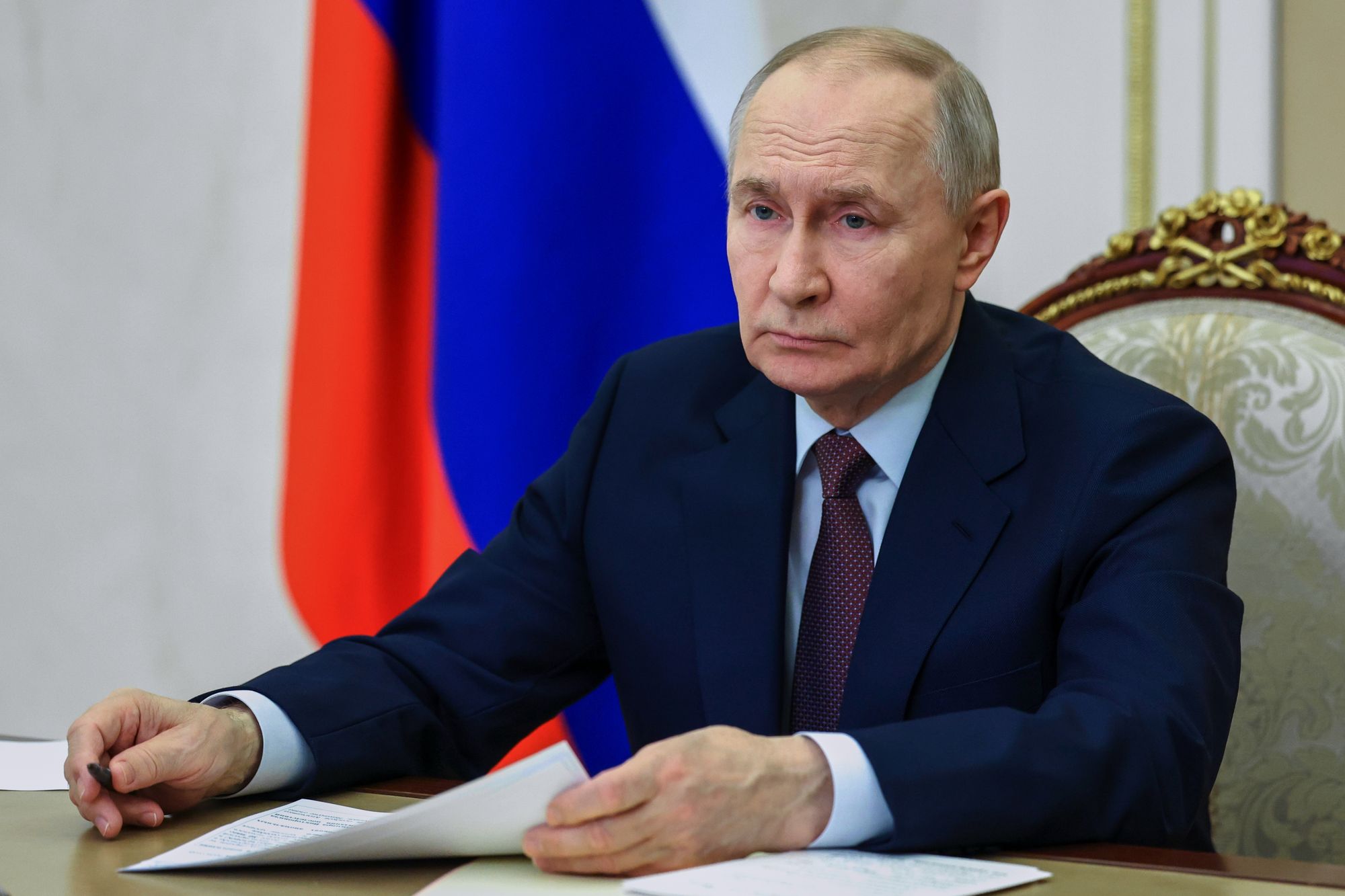
Ukrainian President Volodymyr Zelensky, initially hesitant to attend the Davos forum due to domestic priorities, ultimately appeared set to meet with Trump. This last-minute change of plans underscores the critical importance of potential US involvement in mediating a resolution. The discussions between Ukrainian negotiators and US envoys in Davos, focusing on security guarantees and post-war recovery, indicate a clear eagerness from Ukraine to explore all avenues for peace, despite the complexities introduced by Trump’s often unpredictable diplomacy.
What is Trump’s Ukraine peace plan? Donald Trump’s proposed Ukraine peace plan centers on bringing Russia and Ukraine to the negotiating table, suggesting a deal is ‘reasonably close.’ He has also discussed forming a ‘Board of Peace’ and securing financial contributions for global conflict resolution.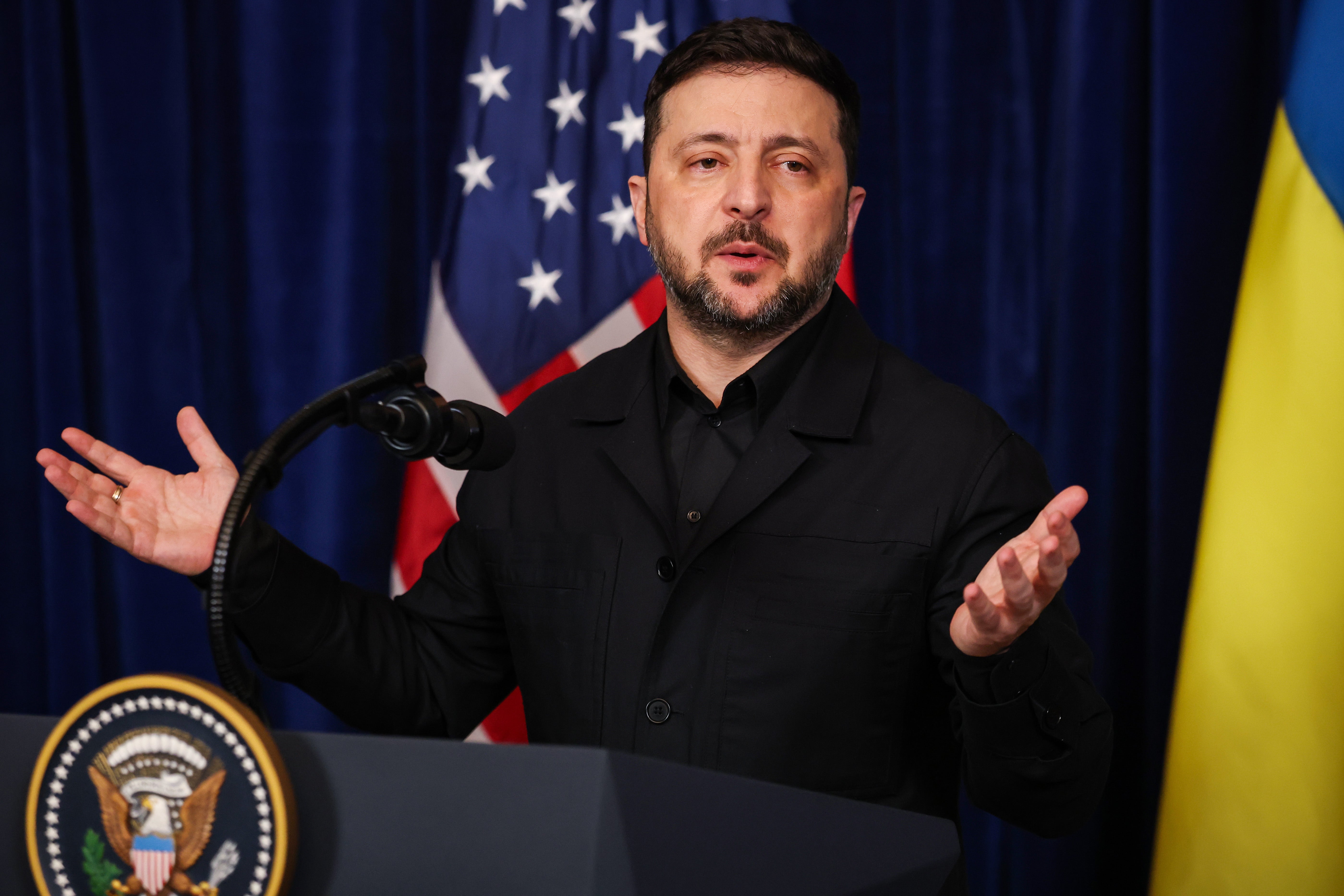
Amidst these high-level diplomatic maneuvers, the conflict on the ground continues to rage. A recent Ukrainian drone attack sparked a fire at a Russian port terminal in the Krasnodar region, damaging oil product tanks and resulting in casualties. The Russian defence ministry reported downing 31 Ukrainian drones overnight, illustrating the persistent military engagement that defines the war. These ongoing hostilities serve as a stark reminder of the urgency for a lasting peace, even as diplomatic efforts intensify.
Nato Secretary General Mark Rutte emphasized that Ukraine should remain the alliance’s main priority, cautioning against distractions like the US president’s focus on Greenland. Speaking at the World Economic Forum, Rutte stressed that the security of both Europe and the US hinges on resolving the situation in Ukraine first. This perspective highlights the broader international consensus that, despite other geopolitical interests, the Russia Ukraine conflict guide remains the most pressing issue on the global agenda.
Further demonstrating the covert nature of the conflict, an Uzbek national was recently jailed for life in Moscow for killing top Russian general Igor Kirillov and his assistant in a Ukraine-backed bomb attack in 2024. This incident, claimed by Ukraine’s SBU intelligence service, underscores the high stakes and retaliatory actions occurring beyond conventional battlefronts. Such events complicate any peace negotiations, adding layers of retribution and mistrust that must be navigated.
As the world observes these developments, the question of how to end the Ukraine war remains paramount. The interplay between military actions, diplomatic overtures, and the personal dynamics of key leaders like Trump, Zelensky, and Putin will ultimately determine the path forward. While Trump’s intervention introduces a new variable, the deeply rooted geopolitical interests and the immense human cost of the war ensure that any peace deal will be painstakingly negotiated and closely scrutinized.
The discussions in Davos, particularly concerning the proposed Ukraine peace plan, suggest a critical juncture in the conflict. The potential for a high-level meeting between Trump and Zelensky, coupled with Trump’s bold claims, offers a glimmer of hope amidst the ongoing devastation. However, the path to a lasting resolution is fraught with challenges, requiring genuine commitment from all parties and a willingness to compromise on deeply held positions. The world waits to see if these diplomatic efforts can indeed bring the conflict to a close.






