

![[post_title]](https://samony.com.ng/wp-content/uploads/2026/01/1768987095_Yamaha-launches-V4-powered-M1-for-2026-MotoGP-season-1024x682.jpg?lm=697099DA)
Yamaha is making a bold statement for the future of MotoGP, unveiling an entirely new V4-powered M1 for the 2026 season. This radical departure from their long-standing inline-four engine configuration signifies a pivotal moment in their quest for renewed competitiveness. Factory riders Fabio Quartararo and Alex Rins were present at the Jakarta launch, showcasing a bike that, while retaining Yamaha’s iconic blue and black livery, represents a fundamental shift in engineering philosophy.
Why is Yamaha switching to a V4 engine, abandoning the inline-four layout that once brought them so much success? The decision stems from an urgent need to close the performance gap with rivals and ensure greater parity across the grid. For years, Yamaha stood alone as the sole manufacturer running an inline-four engine in MotoGP, a characteristic that increasingly became a disadvantage against the dominant V4 designs of Ducati, Honda, Aprilia, and KTM. This strategic pivot aims to align Yamaha technically with its competitors, providing a foundation for more direct development and competitive benchmarking.
The development of this new Yamaha V4 MotoGP engine has been an intensive, year-long undertaking for the Iwata-based brand. Crafting a V4 motor from scratch necessitated a complete redesign of the M1 chassis and aerodynamics, illustrating the depth of this engineering commitment. Test rider Augusto Fernandez played a crucial role, completing several wildcard outings towards the end of the 2025 season with the V4-spec M1, gathering invaluable data. Both Quartararo and Rins also had early opportunities to sample the new machine during testing sessions, providing vital feedback on its initial characteristics.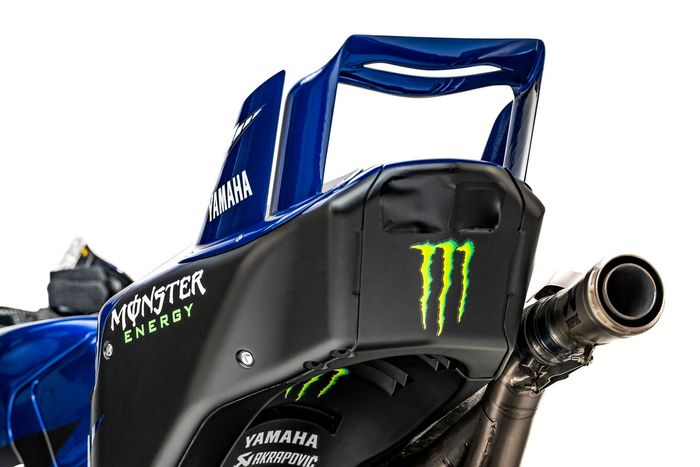
What is the new Yamaha M1 2026? The new Yamaha M1 2026 is Yamaha’s latest MotoGP challenger, featuring a V4 engine for the first time, marking a significant departure from their traditional inline-four configuration. This move aims to align Yamaha with its competitors, boost performance, and regain its competitive edge in the premier class.
Yamaha’s leadership is banking on the move to V4 power to revive its flagging fortunes in MotoGP. Despite making some strides last year, the team found itself at the bottom of the manufacturers’ championship, overshadowed by rivals like Honda, who achieved significant leaps with their RC213V. This engine change is not merely technical; it’s a desperate strategic gambit to reclaim championship contention. The hopes are high that the new engine will provide the raw power and driveability needed to challenge at the front, especially when considering the competitive landscape where the Yamaha M1 vs Ducati 2026 performance will be under intense scrutiny.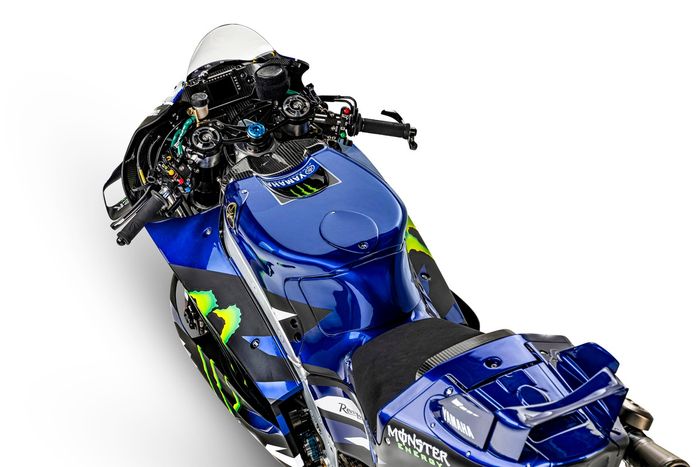
The success of the new Yamaha V4 M1 is also critical for retaining star talent. The rider market is notoriously fluid, and with Fabio Quartararo contract update discussions looming, Yamaha needs to demonstrate immediate competitiveness. Quartararo, a former world champion, has openly warned that he might explore other options if he loses faith in Yamaha’s ability to provide a winning package. His importance to the team cannot be overstated; last year, he single-handedly scored 201 out of the team’s 269 points, finishing ninth in the riders’ standings and outperforming all other M1 riders combined.
On the other side of the factory garage, Alex Rins’ two-year contract also expires after 2026, placing additional pressure on the team and rider to perform. Rins needs a standout season after a challenging 2025, where he struggled to finish higher than seventh in any race. For Yamaha, the 2026 season is not just about the new engine; it’s about rebuilding confidence, securing its rider lineup, and setting the stage for future success. The new engine is expected to level the playing field, making the Yamaha V4 vs inline 4 MotoGP debate a thing of the past and focusing on future performance.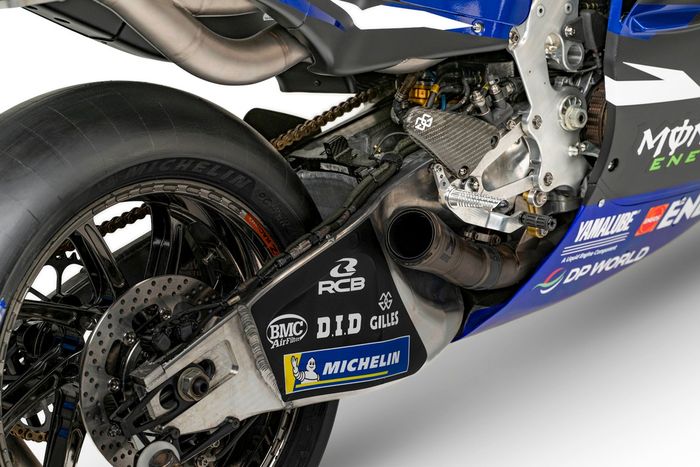
A significant advantage for Yamaha in 2026 will be the generous testing and development concessions granted under the regulations, as Honda moves to Group C. This means Yamaha will be the sole manufacturer receiving these benefits, allowing them crucial extra track time and development resources to fine-tune the Yamaha V4 M1 2026 performance guide and integrate it fully. While the immediate focus is on 2026, Yamaha is also forward-thinking, having already begun testing its 850cc engine for the next rule cycle in 2027, with discrete runs at its private facility in Iwata in mid-December.
This comprehensive Yamaha MotoGP strategy explained highlights the urgency and ambition behind their V4 switch. It’s a calculated risk, but one deemed necessary to challenge the established order and position themselves among the best MotoGP engines 2026. The move is about more than just a new motor; it’s about a revitalized engineering approach, a commitment to innovation, and a clear signal to both riders and fans that Yamaha is serious about returning to the pinnacle of motorcycle racing. The goal is clear: to ensure the best MotoGP bikes for 2026 season include a competitive Yamaha.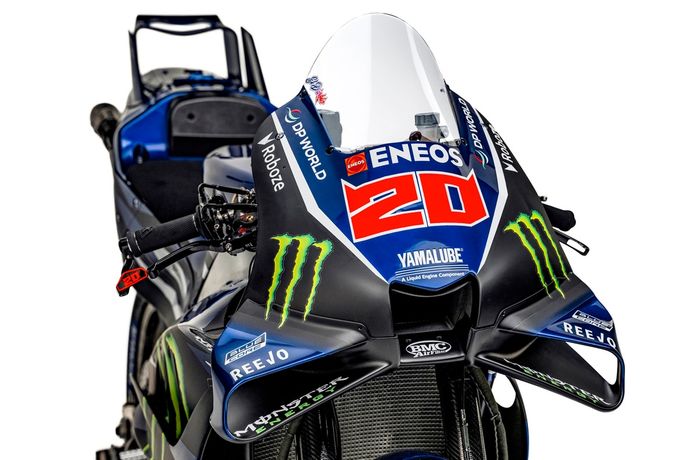
The unveiling of the V4-powered M1 represents a new chapter for Yamaha in MotoGP. With significant investment in research and development, combined with strategic concessions, the team has laid the groundwork for a formidable return. The racing world will be watching closely to see if this bold engineering gamble pays off, delivering the performance boost needed to once again challenge for world championships.






