


The Democratic Party is facing renewed accusations of having a “Jewish problem” following a significant revelation from Pennsylvania Governor Josh Shapiro. This controversy stems from Shapiro’s upcoming memoir, where he details being questioned by then-Vice Presidential candidate Kamala Harris’s campaign about his loyalties to Israel during his vetting process. The claim, amplified by conservative commentators like Hugh Hewitt on Fox News, suggests a deeper issue within the party regarding its relationship with the Jewish community and its stance on Israel, sparking widespread debate and concern among political observers and Jewish leaders alike.
Hugh Hewitt, a prominent conservative political commentator, asserted on Fox News that the Democratic Party harbors a significant “Jewish problem,” extrapolating from Shapiro’s account. Governor Shapiro revealed that during his vetting to be Vice President Kamala Harris’s running mate, members of her campaign team asked him if he was a “double agent for Israel” and if he had ever “communicated with an undercover agent.” This line of questioning has been widely condemned as an antisemitic trope, implying that Jewish individuals possess dual loyalties and cannot be trusted.
What is antisemitism in politics? Antisemitism in politics manifests as prejudice, discrimination, or hostility toward Jewish people, often expressed through stereotypes, conspiracy theories, or accusations of disloyalty. These forms of bias can undermine public trust and create an unwelcoming environment for Jewish individuals within political discourse and parties.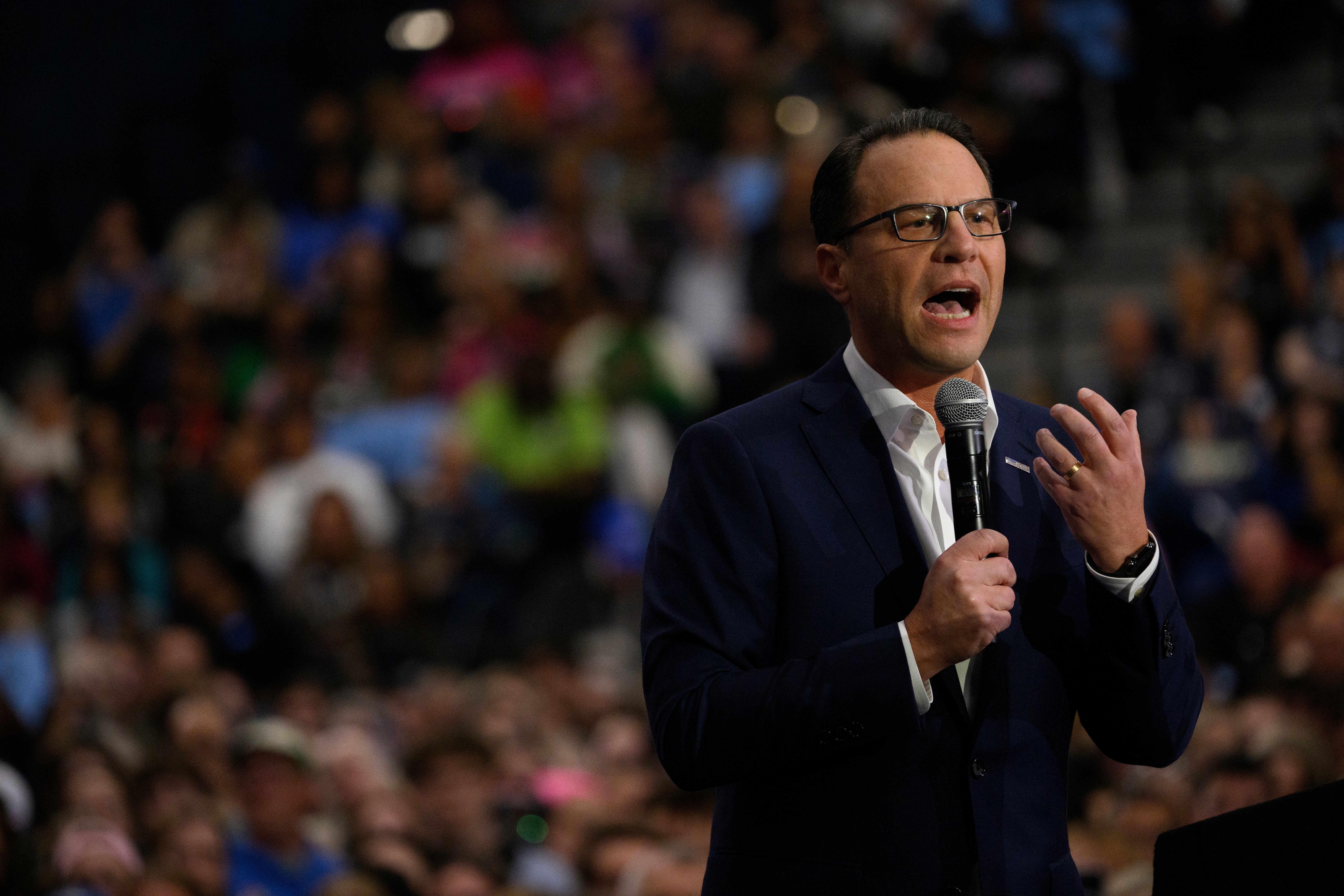
The revelation from Governor Shapiro has ignited a firestorm, drawing immediate criticism from various political figures. Democratic Rep. Josh Gottheimer, among others, called for the Harris campaign to provide an explanation if Shapiro’s account is accurate, labeling such insinuations as “antisemitism, plain and simple.” He emphasized that no individual should face judgment or discrimination based on their faith, highlighting the need for higher standards within political campaigns.
Understanding the historical context of antisemitic tropes is crucial when examining these accusations. The “double agent” question, as Hewitt pointed out, is a classic example of an ancient antisemitic canard that has historically been used to demonize Jewish people by questioning their allegiance to their home country. This trope suggests that Jewish individuals are inherently loyal only to other Jewish people or to Israel, thereby making them untrustworthy citizens or public servants, a sentiment that fuels the narrative of antisemitism in democratic party explained by its critics.
While the Harris campaign reportedly dismissed Shapiro’s concerns as merely part of a necessary political vetting process for vice president, the incident has left many questioning the thoroughness and sensitivity of such procedures. Shapiro, who is widely considered a potential US presidential election 2028 candidates, stated in his memoir that his remarks about the question being “offensive” were met with a dismissive “Well, we have to ask.” This response has further intensified the debate over the nature of kamala harris campaign allegations news and the implications for how political parties approach diverse candidates.
Accusations that why are democrats accused of antisemitism are not entirely new; the party has faced scrutiny in the past over certain progressive stances on Israel and comments made by some of its members. However, a direct accusation of questioning a Jewish candidate’s loyalty based on their faith during a high-stakes vetting process represents a stark and concerning escalation. It forces a deeper examination of how the party addresses issues related to the Jewish community and Israel, areas where democrats vs republicans israel policy often diverge significantly.
The incident surrounding josh shapiro VP vetting controversy also raises broader questions about the jewish voters democratic party allegiance. Historically, Jewish voters have largely aligned with the Democratic Party, but tensions over Israel and perceived insensitivity to antisemitism could impact future electoral outcomes. The perception of a “Jewish problem” could alienate a crucial demographic, prompting the party to reassess its outreach and internal policies to ensure inclusivity and combat prejudice effectively.
Looking ahead, the political landscape will undoubtedly continue to grapple with these complex issues. The need for clear, factual communication and robust educational initiatives to counter antisemitic narratives will be paramount. As we approach political antisemitism trends 2026, incidents like Shapiro’s revelation serve as a critical reminder of the ongoing vigilance required to uphold principles of equality and respect within political discourse and beyond. Addressing these concerns is vital for the health of democratic institutions and for ensuring that all citizens feel represented and respected.
The controversy surrounding the Democratic Party and accusations of antisemitism underscores a critical moment for self-reflection and accountability. The questions raised by Governor Shapiro’s experience highlight the importance of actively confronting and dismantling antisemitic tropes wherever they appear, especially within the highest echelons of political power. Ensuring that political vetting processes are free from prejudice is essential for maintaining trust and fostering an inclusive political environment, ultimately strengthening the democratic process against the very challenges these accusations bring to light.






