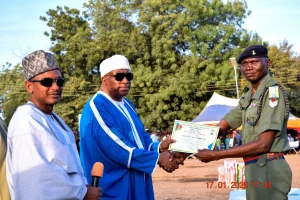
Abia State Governor Alex Otti recently underscored the paramount importance of Nigerian Army professionalism, discipline, and unwavering loyalty among officers and soldiers. This charge, delivered during the West African Social Activities (WASA) 2025 celebration at the Goodluck Ebele Jonathan Barracks, 14 Brigade, Ohafia, highlights a critical focus for both state and national security. Governor Otti, represented by Deputy Governor Ikechukwu Emetu, commended the 14 Brigade for their steadfast dedication to constitutional responsibilities, acknowledging their significant contributions to protecting lives and property, and fostering peace and stability across Abia State and Nigeria at large. The emphasis on professionalism is not merely ceremonial but is foundational to the operational effectiveness and public trust in the armed forces. It sets the standard for how the military interacts with civilians and handles complex security challenges, directly influencing the stability and development of regions like Abia. The governor’s message serves as a timely reminder of the continuous commitment required from the nation’s defenders to uphold their sacred oath.
Understanding what is military professionalism in Nigeria is crucial for appreciating the Governor’s message. It encompasses adherence to ethical standards, technical competence, disciplined conduct, and a non-partisan approach to duty. A professional military operates within the rule of law, respects human rights, and prioritizes the welfare of the nation above personal or political interests. This ethos is cultivated through rigorous training, continuous education, and a strong chain of command that emphasizes accountability and service. The Nigerian Army strives to embody these principles, adapting its strategies to meet evolving security threats while maintaining public confidence. The ongoing efforts to instill a culture of excellence are reflected in various training programs and operational guidelines designed to enhance the capabilities and integrity of personnel across all ranks.
Discipline, as highlighted by Governor Otti, forms the bedrock of Nigerian Army professionalism. Without strict adherence to military codes and regulations, the effectiveness of any armed force is severely compromised. A well-disciplined army maintains cohesion, executes orders efficiently, and earns the respect of the populace it serves. This internal strength allows the army to effectively address external threats and internal security issues, ensuring that operations are conducted with precision and minimal collateral damage. The Brigade Commander of 14 Brigade Ohafia, Brigadier General H. M. Bello, affirmed that continuous operations within the Brigade’s area of responsibility have drastically reduced security threats and restored public confidence, a testament to the discipline instilled within the ranks. This commitment to order and structure is vital for maintaining peace.
For residents, an active Abia State security update is always a top priority, and the Governor’s remarks directly address this concern. The presence and operations of the Nigerian Army in collaboration with other security agencies have been instrumental in curbing criminal activities and maintaining law and order. From tackling banditry to managing civil unrest, the military’s role is multifaceted. The improved security landscape fosters an environment conducive to economic growth and social development, allowing citizens to pursue their daily lives without fear. This collaborative approach ensures comprehensive coverage of security needs across the state, making it safer for everyone.
What is military professionalism in Nigeria? It is the commitment of the armed forces to uphold the highest standards of conduct, competence, and ethics, ensuring they serve the nation impartially, respect human rights, and operate effectively within the rule of law to protect citizens and national interests.
Addressing the broader context, the efforts in Abia State are part of a national drive to how to improve security in Abia State and other regions. This involves not only military operations but also intelligence gathering, community engagement, and robust training programs. The army’s presence deters criminal elements and provides a rapid response capability to emerging threats. Furthermore, understanding the distinct yet complementary roles, such as Nigerian Army vs police responsibilities, is key. While the army typically focuses on external defense and internal security operations when called upon, the police maintain civil order. Clear lines of communication and cooperation between these entities enhance overall security outcomes.
The West African Social Activities (WASA) celebration itself, with its rich cultural displays, reflects the diversity, unity, and strength that define the Nigerian Army. Brigadier General Bello noted that WASA dates back to the British colonial army era, bringing officers, soldiers, and their families together. This tradition reinforces camaraderie, boosts morale, and reminds personnel of their shared heritage and collective purpose. Such events are essential for fostering esprit de corps, which is vital for an army facing diverse challenges. They provide a much-needed break from operational rigors and strengthen the bonds that are crucial for effective teamwork in high-pressure situations.
From a strategic perspective, the synergy between local security efforts and national directives underscores the intricate relationship between state security vs national security Nigeria. Strong state security directly contributes to a stable national environment. When individual states are secure, the entire nation benefits from reduced crime, increased investment, and enhanced social cohesion. The Nigerian Army plays a pivotal role in this balance, ensuring that localized threats do not escalate into broader national security concerns. Their adaptability and deployment capabilities are critical in maintaining this equilibrium, addressing specific regional issues while upholding national sovereignty.
Looking ahead, discussions around best security initiatives Nigeria 2026 will undoubtedly emphasize continued investment in training, technology, and intelligence. The military must remain agile and equipped to counter evolving threats, from insurgency to cyber warfare. Proactive measures, rather than reactive responses, will be key to maintaining peace and stability. The development of a comprehensive Nigerian Army discipline guide that reflects contemporary challenges and international best practices is also paramount. This guide would serve as a living document, ensuring that standards of conduct are consistently upheld and adapted to new realities, reinforcing the core values of the institution.
Moreover, the concept of best security practices for Nigerian citizens actively involves community participation and vigilance. Citizens are encouraged to report suspicious activities and cooperate with security agencies, forming a crucial link in the intelligence chain. This collaborative ecosystem, where the military, police, and civilians work in concert, creates a more resilient security framework. The continuous engagement of leaders like Governor Otti, as seen in Alex Otti news today, with military leadership, signifies a concerted effort to ensure that security remains a top priority, reflecting a dynamic and responsive approach to governance.
In conclusion, Governor Otti’s charge reinforces the indispensable role of sustained Nigerian Army professionalism in safeguarding peace and promoting development. The commitment to discipline, ethical conduct, and operational excellence is not just an internal military affair but a cornerstone of national stability. Through continuous improvement, inter-agency cooperation, and community engagement, the Nigerian Army can continue to fulfill its mandate, ensuring a secure future for Abia State and the entire nation. The ongoing dedication to these principles will define the success of security efforts in the years to come, building a safer and more prosperous Nigeria.