The state of New Jersey has launched a significant New Jersey police discrimination lawsuit, alleging former Clark Township mayor Salvatore Bonaccorso and police officials systematically instructed officers to prevent Black individuals from entering the town. This explosive legal action highlights deep-seated issues of racial bias within law enforcement practices, accusing leaders of orchestrating targeted policing against non-white motorists. This development brings crucial attention to the ongoing struggle for equitable treatment under the law.
Filed by New Jersey Attorney General Matthew Platkin, the lawsuit specifically names Bonaccorso, along with suspended Police Chief Pedro Matos and current Police Director Patrick Grady. The allegations detail a pattern where Black and Hispanic drivers were disproportionately targeted, facing stops at rates significantly higher than their white counterparts. Such practices, if proven, constitute a severe violation of New Jersey’s civil rights laws and the state constitution, undermining public trust in the justice system.
What is racial profiling in law enforcement? Racial profiling in law enforcement involves targeting individuals for suspicion of crime based on their race, ethnicity, religion, or national origin rather than on individual behavior or reasonable suspicion. It is a discriminatory practice that violates civil liberties and erodes community trust in police.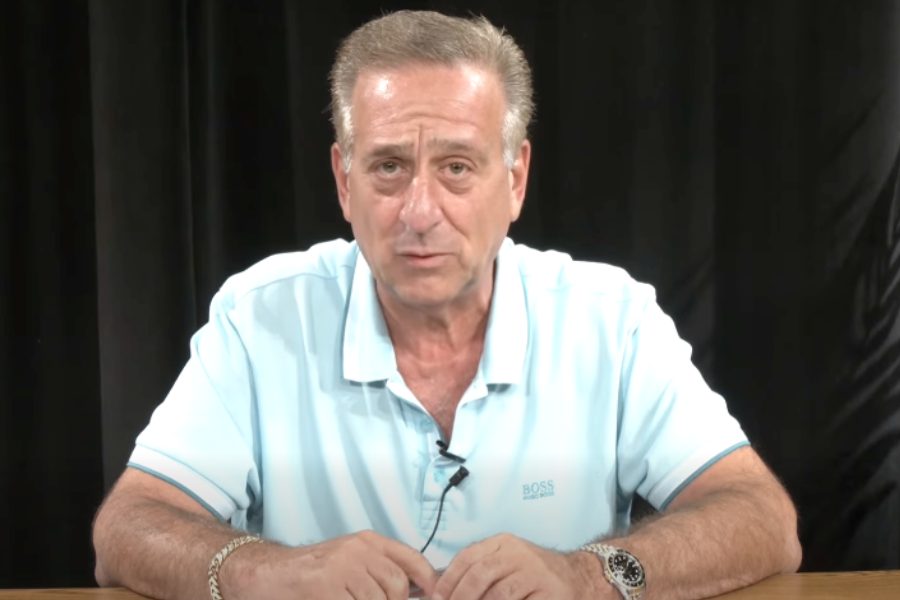
The evidence presented in the lawsuit is particularly damning, including audio recordings from as early as 2019. In these recordings, former Mayor Bonaccorso allegedly used racial slurs and explicitly directed officers to “keep chasing the spooks out of town,” a derogatory term for Black people. He further instructed police to concentrate enforcement efforts on roads leading from neighboring communities with larger minority populations, illustrating a deliberate strategy to exclude.
Bonaccorso, a Republican who served Clark as mayor for approximately 25 years, resigned in January 2025, shortly after beginning his seventh term. This lawsuit follows prior corruption charges where he pleaded guilty to misusing township resources. His initial reaction to the current Clark Township discrimination lawsuit update was dismissive, reportedly texting “It’s bull!!!!” to reporters, refusing further comment. This long history adds layers to the ongoing legal battle.
Current Clark Mayor Angel Albanese, also a Republican, has labeled the lawsuit “frivolous,” suggesting Attorney General Platkin is engaging in “playing politics” as his term concludes. Similarly, Charles Sciarra, an attorney for Police Chief Matos, criticized the timing of the complaint. Matos has been on paid leave since July 2020, and his disciplinary proceedings are still active, highlighting the complex legal and political landscape surrounding the accusations of police misconduct reporting guide violations.
The state is not merely seeking punitive measures but also demanding continued oversight of the police department to ensure an end to discriminatory practices. Furthermore, it seeks damages for individuals who have been affected by the alleged harassment and systemic bias. This focus on long-term reform and compensation underscores the severity of the allegations and the potential for a significant shift in how police departments operate, especially concerning racial bias vs systemic racism.
A civil rights lawsuit vs criminal case differs fundamentally in its objectives and legal proceedings. While a criminal case seeks to punish an individual for violating laws, often resulting in jail time or fines, a civil rights lawsuit primarily aims to compensate victims for damages caused by violations of their civil liberties and to compel changes in policy or behavior. This distinction is crucial in understanding the state’s current legal strategy against Clark Township officials.
To understand the nuances of this case, a police discrimination lawsuit explained involves several key elements. It typically requires demonstrating a pattern of discriminatory behavior, intent, and measurable harm to the affected individuals. The evidence often includes statistical data, internal communications, and witness testimonies, all of which are being brought to bear in the New Jersey case to prove systemic bias.
Looking ahead, discussions around police accountability laws 2026 will undoubtedly be influenced by cases like the one unfolding in Clark Township. The outcomes of such high-profile lawsuits often serve as catalysts for legislative changes, pushing for stronger oversight mechanisms, clearer guidelines on interactions with minority communities, and more robust reporting systems to prevent future instances of racial profiling.
For citizens facing similar issues, knowing how to report police discrimination is crucial. Typically, reports can be filed with internal affairs departments, state attorney general offices, or civil rights organizations. Documenting incidents, gathering evidence, and seeking legal counsel are vital steps in ensuring that such complaints are taken seriously and thoroughly investigated, contributing to greater justice.
The broader implications of this situation extend into the realm of New Jersey police corruption news, as the former mayor’s prior conviction for misusing township resources adds a layer of concern regarding official integrity. Such incidents erode public trust and highlight the critical need for transparent governance and strict ethical standards within all levels of public service, particularly law enforcement.
The New Jersey police discrimination lawsuit against Clark Township officials represents a pivotal moment in the ongoing fight against racial injustice within American policing. As the legal proceedings unfold, the case will undoubtedly set precedents and intensify calls for greater accountability, transparency, and a renewed commitment to civil rights for all citizens across the state.





![[post_title]](https://samony.com.ng/wp-content/uploads/2026/01/1768744618_Rival-MotoGP-teams-offering-a-lot-of-money-to-poach-300x200.jpg?lm=696CE6AC "Breaking: Aprilia MotoGP Rider News & Contract Wars Explained")