The dream of fully autonomous vehicles is rapidly becoming a reality, and companies are racing to demonstrate their capabilities on public roads. In the bustling heart of Las Vegas, a significant milestone has been achieved by Hyundai and Motional, showcasing their advanced robotaxi service. This partnership is not just about building a self-driving car; it’s about perfecting a system that can reliably navigate complex urban environments, bringing us closer to a future where autonomous mobility is commonplace. Understanding what is a robotaxi and how it operates is key to appreciating this technological leap.
Motional, with Hyundai as its majority owner, has been on a challenging journey to refine its autonomous driving technology. After years of development and significant operational pauses to integrate cutting-edge AI, the company is now poised to launch a driverless service in Las Vegas. This move follows an impressive track record of over 130,000 public rides and two million autonomous miles with zero at-fault incidents, a testament to their dedication to safety and performance.
Laura Major, Motional CEO, highlights the pivotal shift in their development strategy. “We’ve given 130,000 rides to the public on the Lyft and Uber network, including delivering food via Uber Eats,” she explains, emphasizing the company’s extensive real-world testing. This experience provided invaluable data, but the recent advancements in artificial intelligence demanded a new approach, moving beyond traditional robotic solutions to embrace more dynamic and adaptable neural networks.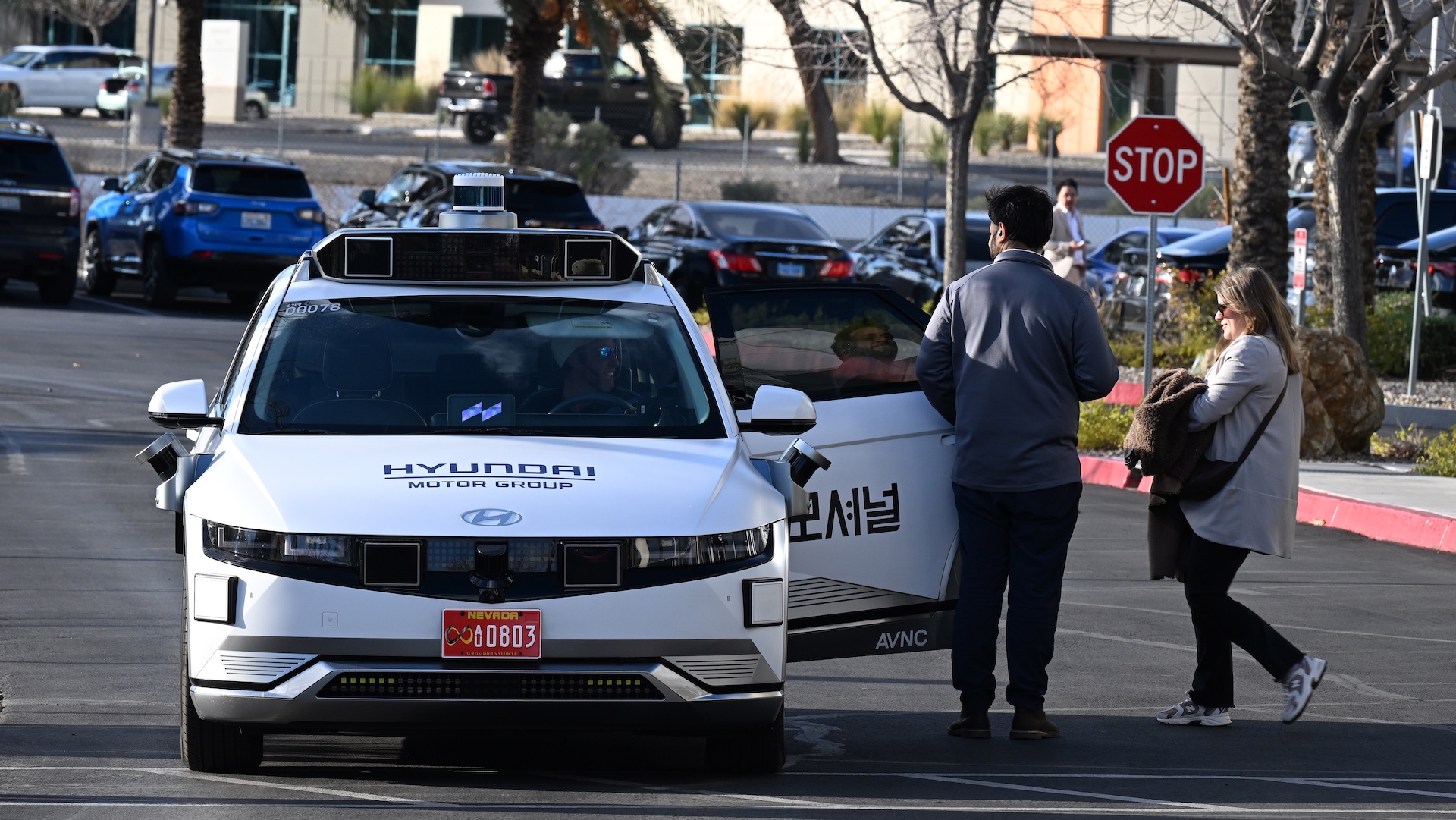
This transition has allowed Motional to leverage large language models and vision-language-action models. These sophisticated AI tools help the system generalize across new cities, diverse environments, and unforeseen scenarios, drastically cutting costs and accelerating deployment timelines. This evolution is crucial for any robotaxi for beginners to grasp, as it underscores the complexity and intelligence required for truly autonomous operation.
Huyndai’s commitment to Motional deepened in 2020, providing substantial investment and supplying its purpose-built Ioniq 5 Robotaxi for fleet testing and deployment. This strategic partnership ensures that Motional has access to a robust, production-line vehicle specifically designed for autonomous services, setting it apart in a highly competitive market.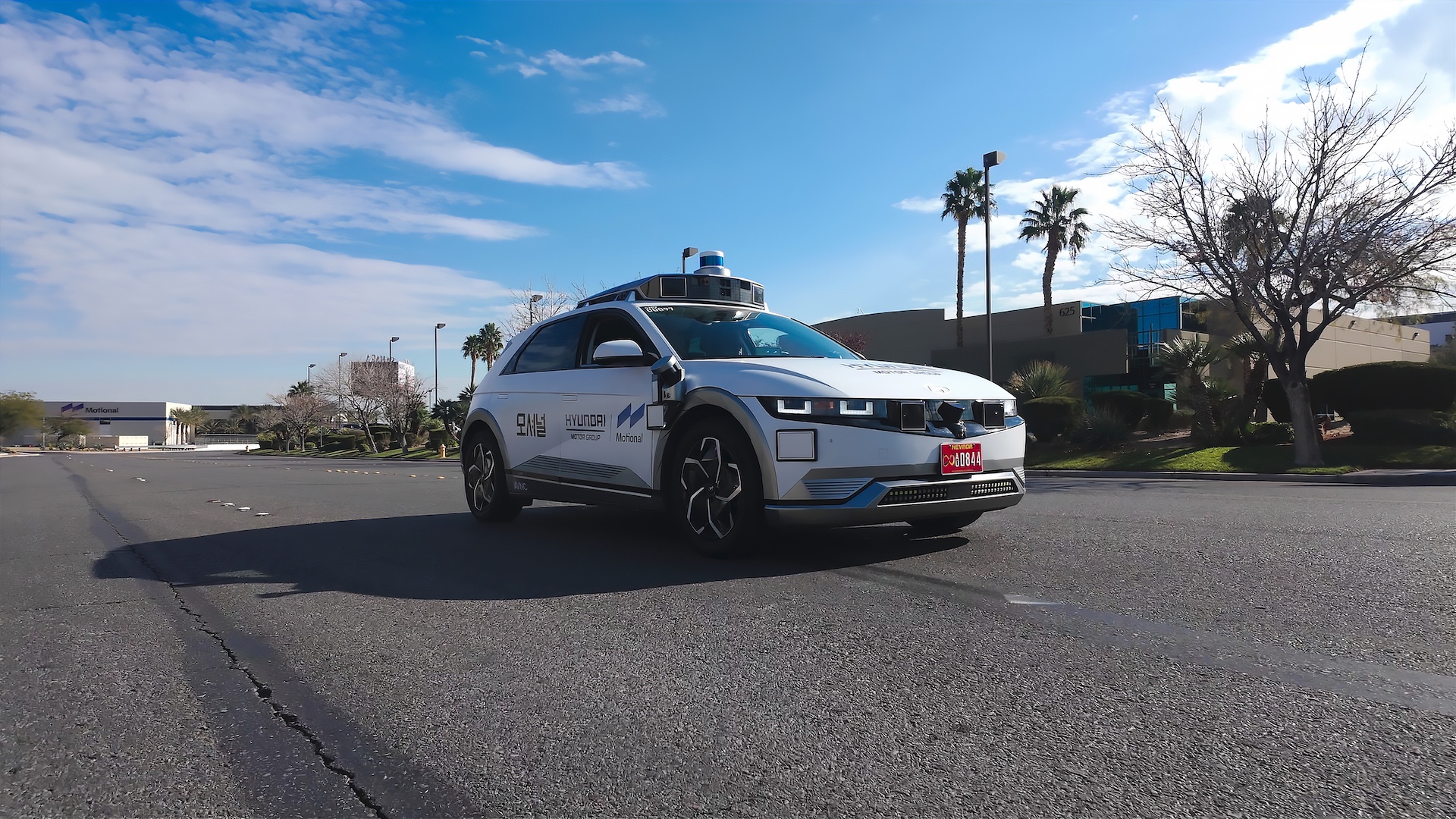
The stage is now set for Motional to challenge established players like Waymo, Tesla, and Zoox, all of whom are also deploying autonomous pods in cities like Las Vegas. The competition is fierce, making the advancements of the Hyundai Ioniq 5 robotaxi explained in this context even more impressive. This rivalry drives innovation, pushing the boundaries of what autonomous driving technology 2026 might look like.
The Hyundai Ioniq 5 robotaxi is meticulously assembled at a cutting-edge smart factory in Singapore, where quality control is overseen by robotic Spot dogs from Boston Dynamics. A key differentiator for Motional is that its vehicle, equipped with an extensive sensor and Lidar suite, is manufactured on a production line at scale, ensuring consistency and readiness for widespread deployment.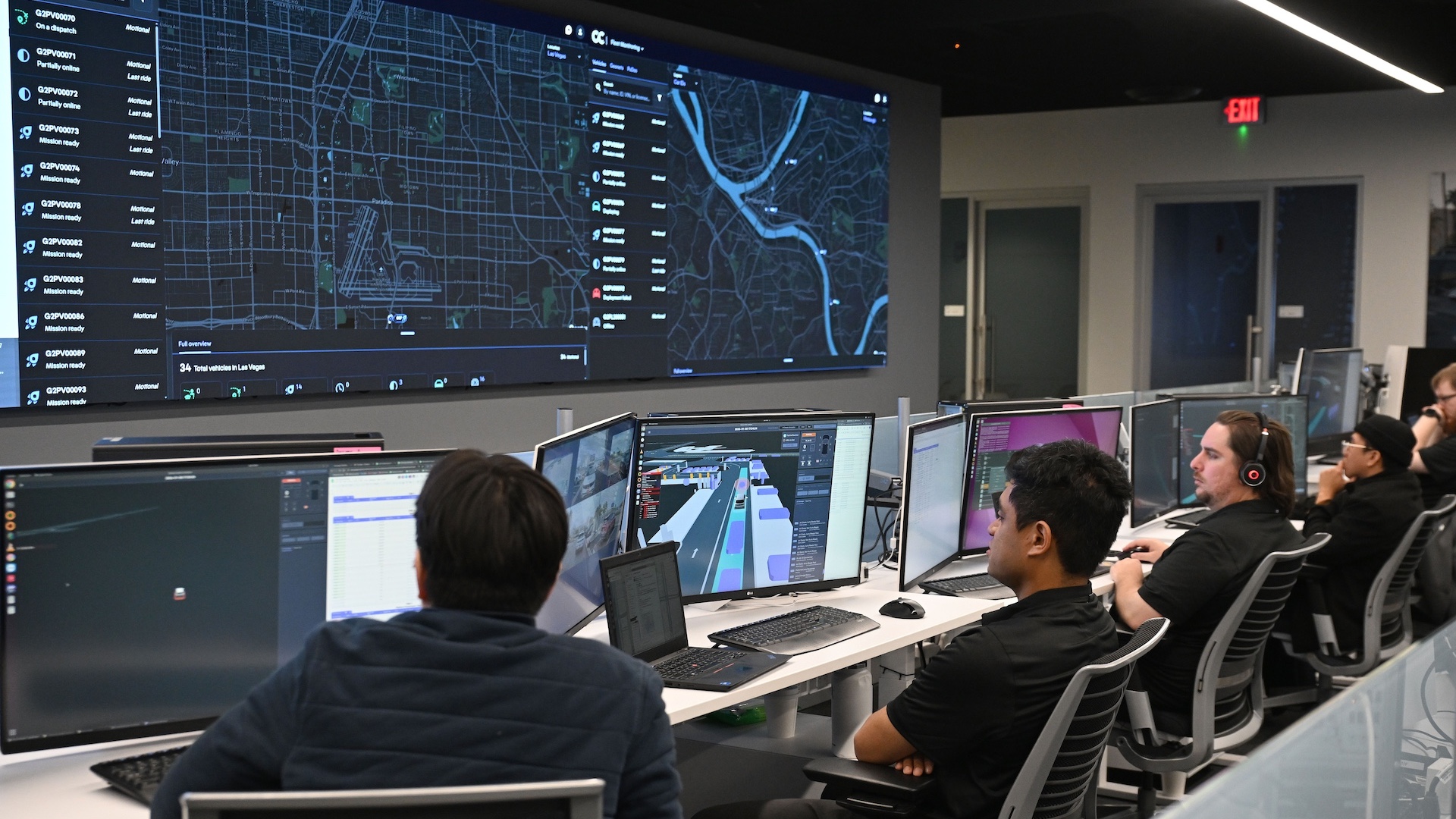
Unlike some competitors, the fully autonomous Ioniq 5 retains a steering wheel and comfortably seats four passengers. The primary differences lie in features like automatically opening and closing doors, rear passenger screens for journey tracking, and accessible buttons for direct communication with a call center, enhancing the user experience for those new to robotaxi services.
My test drive began in a tranquil business district near Harry Reid International Airport. Following the protocol for a typical customer, I initiated the journey via the screen, and the doors silently sealed. The Motional Ioniq 5 demonstrated remarkable confidence, merging seamlessly and maintaining traffic speed, even executing a decisive lane change to prepare for a right turn.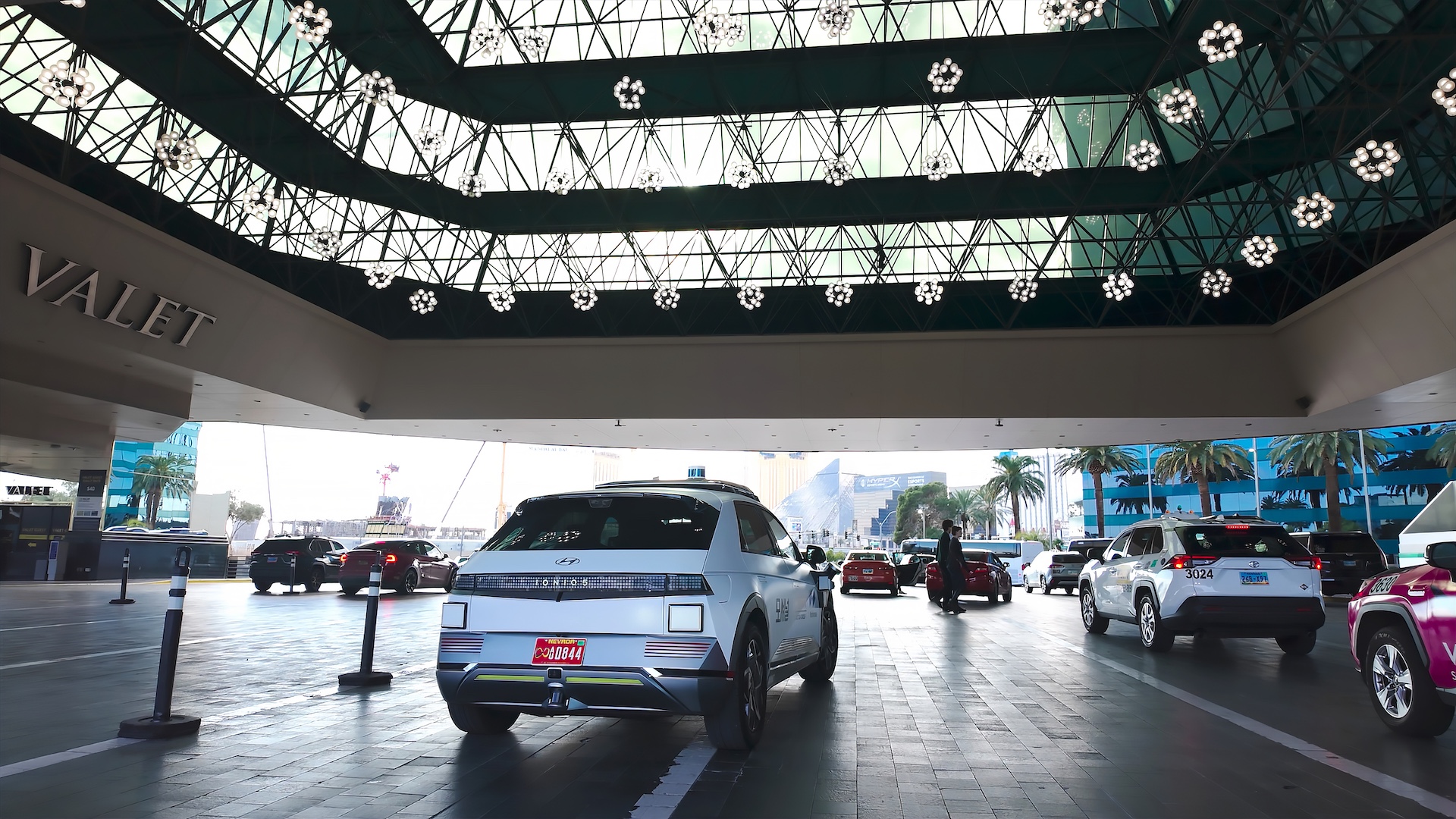
What is a robotaxi? A robotaxi is a fully autonomous vehicle designed to operate without human intervention, offering ride-hailing services. These self-driving cars use an array of advanced sensors, AI, and sophisticated software to navigate roads, perceive surroundings, and make driving decisions, aiming for enhanced safety and efficiency.
The true test came on the notoriously chaotic Las Vegas Strip. The Ioniq 5 navigated this complex environment with surprising ease, handling unpredictable pedestrian and vehicle behavior. It even executed a precise maneuver into a hotel valet parking lot, a task that previously required safety driver intervention. The braking was consistently smooth, and the vehicle avoided any sudden, jarring movements, showcasing its advanced control.
While the journey was nearly flawless, I did experience one disengagement. On the return to Motional’s HQ, a vehicle dangerously undertook and cut in front of us at a traffic light. The robotaxi momentarily considered passing on the right, which would have led into a right-turn-only lane. The safety driver intervened for a second to prevent this, highlighting the nuanced challenges even advanced systems face.
Adam Griffin, Motional’s Vice President of Operations, notes that such interventions are becoming increasingly rare. These “challenging edge cases,” as Laura Major describes them, are precisely where AI has made the most significant impact. The company’s “Omni Tag” process, utilizing large language and vision-language models, allows for rapid analysis of vast video footage from the fleet.
This innovative process enables Motional engineers to quickly identify and train the model on specific scenarios, such as how to interact with a rickshaw for the first time. What once took data scientists months to curate now takes hours, dramatically accelerating the development cycle and ensuring the system is continuously learning and improving. This rapid iteration is key to providing the best robotaxi service 2026 and beyond.
This unique blend of classical robotics expertise and cutting-edge AI positions Motional strongly within the burgeoning robotaxi landscape. While their immediate goal is to launch the ride-hailing service, the ultimate vision extends to integrating this advanced autonomous driving technology into passenger vehicles for broader public consumption, potentially allowing Hyundai to jump directly to Level 4 autonomy.