The recent Davido DNA test update has once again brought the complex world of celebrity paternity claims into sharp focus. This latest development involves an 11-year-old girl who publicly alleged the renowned singer, Davido, was her biological father. Davido, a prominent figure in the music industry, swiftly and emphatically denied these claims, asserting that he has undergone multiple DNA tests, all of which have consistently returned negative results. His firm stance underscores the seriousness with which public figures often address such sensitive allegations, especially when they involve personal reputation and family matters.
Davido’s response, shared across his social media platforms, highlighted his frustration with what he described as persistent false claims. He explicitly stated that he had never met the child’s mother and characterized her as an obsessed fan perpetuating baseless fabrications. The artist emphasized his commitment to his existing children and urged an end to what he termed “nonsense,” illustrating the emotional toll such public accusations can take on individuals and their families. This public denial serves as a critical point in understanding how high-profile personalities navigate personal challenges under intense scrutiny.
The situation garnered further attention when Hellen Atti, identified as Cubana Chief Priest’s alleged baby mama, weighed in on the controversy. Atti appealed to Davido to show compassion towards the child, irrespective of the DNA test outcomes. Her intervention included a pointed comparison, stating that Davido is “not like Pascal Okechukwu,” a direct reference to Cubana Chief Priest, a comment that quickly circulated online. This unexpected interjection added another layer to the unfolding narrative, drawing parallels between different celebrity figures and their perceived responses to personal issues.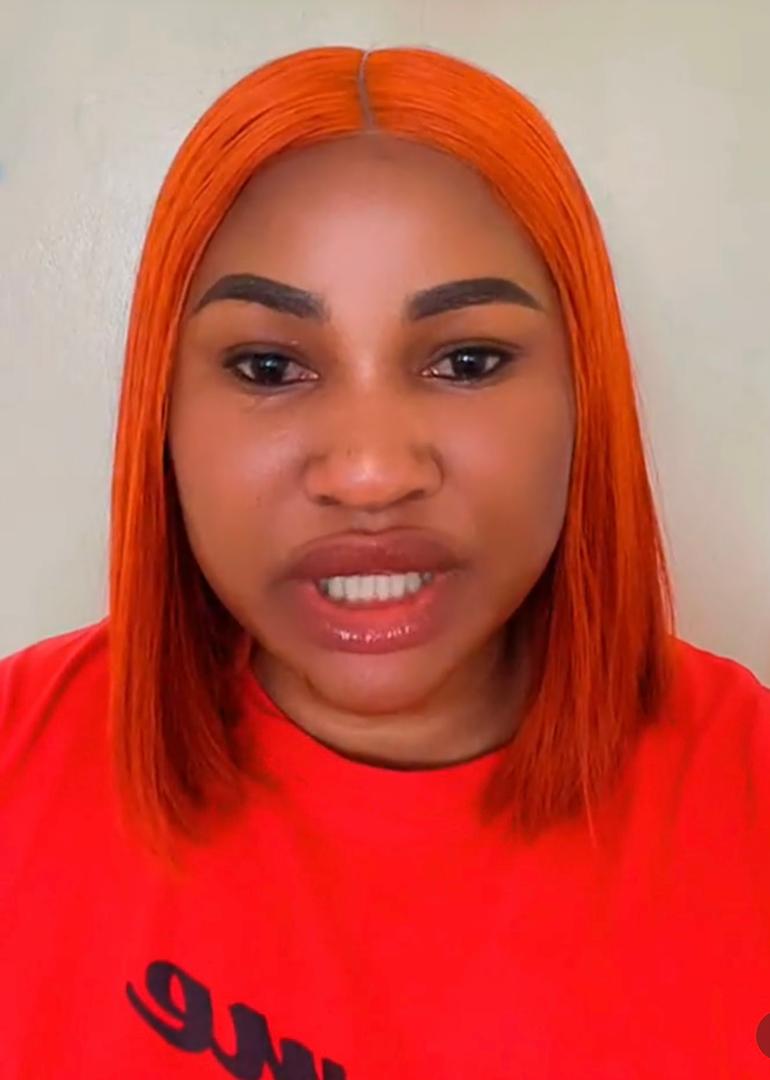
What is a paternity test? A paternity test scientifically determines if a man is the biological father of a child by comparing DNA samples. It is highly accurate, typically over 99.9%, and can be performed using various methods, including cheek swabs or blood samples, providing definitive answers in legal or personal contexts. This crucial forensic tool helps resolve questions of biological parentage with robust scientific evidence, offering clarity in disputes.
Navigating a celebrity paternity test guide often involves understanding not just the science but also the public relations aspect. For stars like Davido, maintaining a clear public image is paramount, and unfounded claims can significantly impact their brand and personal life. The process of addressing such allegations usually involves legal counsel, public statements, and, as seen here, providing irrefutable scientific proof.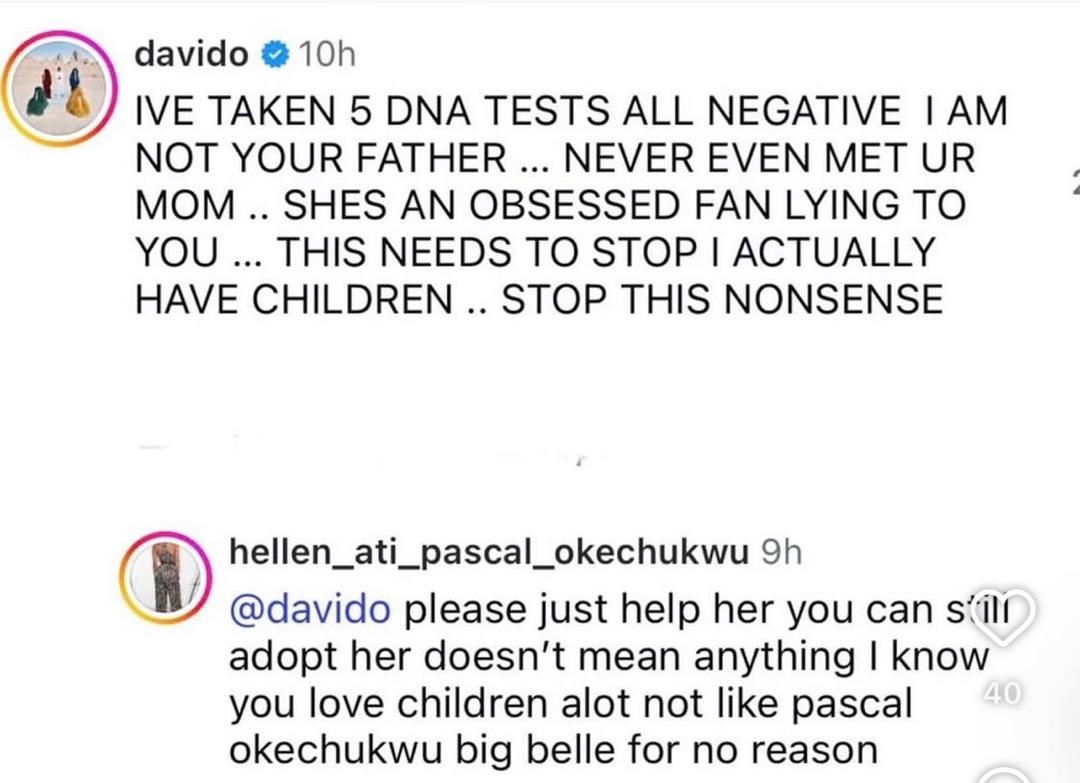
Furthermore, the incident raises important questions about how to deal with false accusations, particularly when magnified by social media. Public figures frequently face the challenge of distinguishing truth from rumor, and effective strategies involve not only legal defense but also transparent communication with their audience. Davido’s immediate and unequivocal denial, backed by previous test results, is a common approach to mitigate reputational damage.
The legal landscape surrounding paternity claims and public allegations, including aspects of paternity fraud prevention 2026, continues to evolve. In many jurisdictions, laws are in place to deter fraudulent claims and protect individuals from unjust accusations. Understanding these legal safeguards is crucial for both accusers and the accused, ensuring due process and the integrity of such sensitive proceedings.
This event also highlights the pervasive influence of social media, where stories can go viral instantly, sometimes without proper verification. The phenomenon of social media defamation explained is particularly relevant, as public figures are vulnerable to rapid spread of misinformation. Managing online narratives and correcting inaccuracies promptly has become an essential skill for anyone in the public eye.
The public’s reaction to the Davido DNA test situation has been varied, with some supporting the singer’s firm stance and others advocating for empathy towards the child involved. This dichotomy reflects the broader societal discussion around personal responsibility, celebrity privacy, and the impact of public discourse on individuals caught in high-profile controversies. The ongoing debate underscores the complexity of such matters beyond the immediate facts.
Comparing the public figures, the mention of Davido vs Cubana Chief Priest by Hellen Atti inadvertently framed a narrative about how different personalities might handle similar pressures. While the comparison was subjective, it resonated with many online, sparking further discussion about public image and personal conduct. Such comparisons are common in the celebrity sphere, often fueled by public perception and past incidents.
In conclusion, the latest Davido DNA test update serves as a potent reminder of the challenges celebrities face in an era of constant public scrutiny and rampant social media activity. The incident underscores the importance of scientific evidence in resolving paternity disputes and the need for robust strategies to manage public perception and personal integrity amidst false claims. This ongoing saga reflects broader themes of privacy, public accountability, and the complexities of modern celebrity life, which will undoubtedly continue to generate discussion and analysis well into the future, touching upon celebrity legal issues 2026 and beyond.