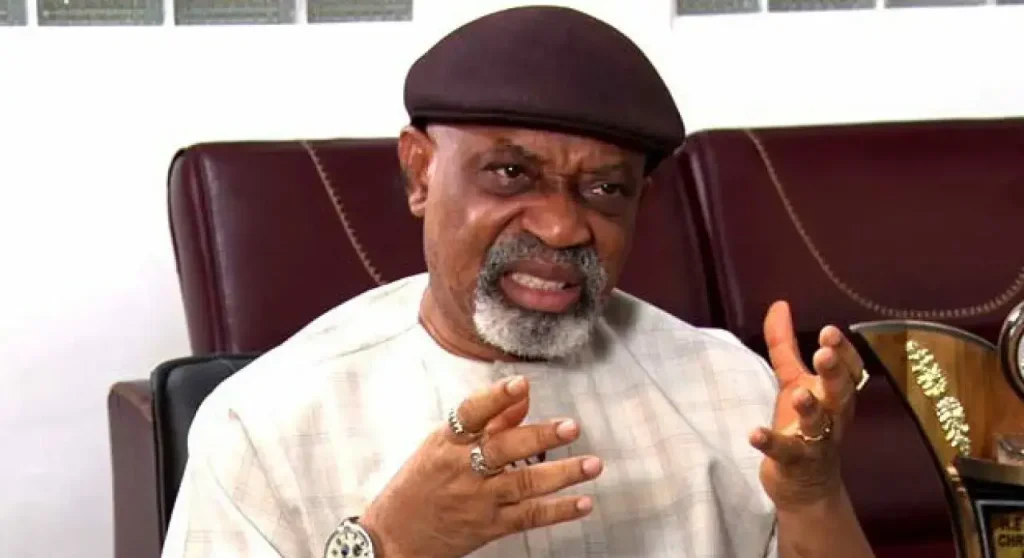
Nigerian music star Teniola Apata, widely known as Teni, recently ignited a social media firestorm with her Teni Ghana referee comments following a contentious football match involving Nigeria. Her playful yet pointed remarks, targeting Ghanaian music heavyweights Shatta Wale and Stonebwoy, stemmed from what she perceived as biased officiating against Nigeria. This incident quickly spiraled, capturing the attention of fans across both nations and highlighting the deep-seated rivalry that often defines their interactions, particularly in sports, culture, and entertainment.
The football encounter, a significant fixture in the African football calendar, was more than just a game; it was a battle for national pride. Such matches between Nigeria and Ghana invariably carry an extra layer of intensity, making every decision by the match officials subject to intense scrutiny. When the outcome did not favor Nigeria, Teni’s frustration, shared by many of her compatriots, found a humorous but impactful outlet.
In a viral video, Teni passionately articulated her dismay, humorously accusing Ghanaians of orchestrating Nigeria’s defeat through a seemingly biased referee. She directly implicated the Ghanaian music stars, challenging their silence or perceived complicity in what she humorously termed a betrayal. Her dramatic appeal to President Bola Ahmed Tinubu, asking him to “send a fighter jet to Ghana,” underscored the depth of her mock outrage and quickly became a central talking point across social media platforms.
The answer is that AFCON referee controversy typically arises from decisions perceived as unfair or biased, often leading to widespread debate among fans, pundits, and even celebrities. These incidents can significantly impact match outcomes and fuel national rivalries, as seen in Teni’s recent comments regarding alleged officiating bias in a Nigeria-Ghana fixture that garnered significant attention.
Why is Nigeria Ghana rivalry intense? The intensity of the rivalry between Nigeria and Ghana spans far beyond the football pitch, encompassing music, cultural identity, and even historical narratives. For decades, these two West African giants have engaged in a friendly yet fierce competition, with each nation striving for regional supremacy in various fields. This competitive spirit ensures that any incident, especially in high-stakes sports, is amplified and becomes a matter of national honor, explaining the fervent reactions to perceived slights or injustices. This context is crucial when analyzing Teni Ghana referee comments and the wider public response.
Teni’s decision to call out Shatta Wale and Stonebwoy was a strategic move, tapping into their status as prominent Ghanaian cultural figures. These two artists, often at the center of their own “Shatta Wale vs Stonebwoy music” debates among fans regarding who holds the dancehall crown, command immense influence across the continent. Her public challenge indirectly placed them in a position to either defend their nation’s sporting integrity or acknowledge the alleged bias, further fueling the cross-border discussion and bringing more eyes to the incident.
The immediate public reaction to Teni’s video was a vibrant mix of laughter, agreement, and counter-accusations. Many Nigerian fans echoed her sentiments, sharing similar frustrations about the officiating, while Ghanaians largely dismissed her claims as humorous banter or an overreaction typical of passionate football supporters. Social media platforms quickly became battlegrounds for witty exchanges and passionate arguments, showcasing how deeply such sporting controversies resonate with the populace and ignite national pride. This incident, forming part of the broader AFCON 2024 referee controversy update, generated extensive discussion among football enthusiasts and cultural commentators alike.
AFCON referee rules explained often highlight the immense pressure faced by officials in high-stakes matches within continental tournaments. While the specific rules of football are clearly defined, their application in real-time, under intense scrutiny and with cultural nuances, can be subjective. This incident brought renewed attention to the ongoing need for consistent and transparent officiating across major African tournaments to maintain fairness, build trust among participating nations, and minimize post-match disputes.
The humorous mention of President Tinubu sending a “fighter jet to Ghana” was a classic example of Teni’s playful and often hyperbolic public persona. It was clearly not a serious political request but rather a lighthearted, albeit dramatic, plea to a national figure, reflecting how deeply the game’s outcome affected her and many Nigerians. This element added another layer of virality to her message, making it memorable and widely shared.
This incident also brought into focus the broader Nigeria vs Ghana football rivalry. Historically, matches between these two nations are not merely sporting contests; they are cultural events where national identities clash. From Jollof Rice debates to music supremacy, the competitive spirit is ingrained, and football provides one of the most visible arenas for this dynamic to play out, often with passionate and sometimes exaggerated reactions. The Teni Ghana referee comments perfectly encapsulate this vibrant cultural exchange.
Beyond the immediate humor and controversy, this episode underscores the significant cultural interplay between Nigeria and Ghana. It demonstrates how sports and entertainment figures can inadvertently become catalysts for broader national conversations, even when the initial intent is lighthearted. Their platforms allow for rapid dissemination of opinions, shaping public discourse on issues ranging from sportsmanship to national pride.
Teni’s public persona as a vibrant, outspoken, and often humorous artist aligns perfectly with this incident. Her ability to connect with fans through relatable emotions makes her a beloved figure in African music. For those exploring the vibrant sounds of the continent, her work is a testament to the rich talent available, making her a key artist for anyone seeking the “best Nigerian music for beginners” and a gateway to understanding the diverse genres.
As African football continues to grow and evolve, incidents like this serve as powerful reminders of the passion involved. Looking ahead, an “AFCON tournament guide 2026” will likely feature discussions on fair play and officiating standards, indicating that these debates are evergreen. The fervent reactions seen in this event will continue to shape how future tournaments are perceived and organized, underscoring the enduring emotional investment fans have in their national teams.
Ultimately, Teni Ghana referee comments provided a memorable moment in the ongoing cultural and sporting dialogue between Nigeria and Ghana. It was a testament to the power of celebrity influence, the fervor of football, and the enduring, often humorous, rivalry that binds these two nations, ensuring that the debate over perceived injustices and national pride will likely continue to fuel conversations for years to come.
Teni calls out Shatta Wale & Stonebwoy over a biased match officiated by their brother, then asks President Tinubu to send a fighter jet to Ghana ASAP. 😂😭 pic.twitter.com/BCgQ9srpKN
— 𝐀𝐬𝐚𝐤𝐲𝐆𝐑𝐍 (@AsakyGRN) January 15, 2026




![[post_title]](https://samony.com.ng/wp-content/uploads/2026/01/1768483522_Aprilia-reveals-2026-MotoGP-bike-for-Bezzecchi-and-Martin-300x200.jpg?lm=6968EAC5 "Breaking: Aprilia’s MotoGP Contender Unveiled for Bezzecchi & Martin")