Navigating the landscape of nutrition and family budgets presents a significant challenge for many Americans today. The recent controversy surrounding new federal dietary guidelines and comments from a former Trump administration official has brought the issue of affordable healthy meals for families to the forefront of national discussion. As grocery prices continue to strain household finances, the practicality of government-issued dietary advice becomes a critical point of contention, highlighting the disconnect between policy recommendations and the economic realities faced by millions of citizens across the nation.
The Department of Agriculture, under the previous Trump administration, unveiled revised dietary guidelines that notably shifted away from the traditional food pyramid model. These new recommendations advocated for a greater intake of protein, dairy, and healthy fats, while simultaneously suggesting a decrease in the consumption of whole grains. Officials like Agriculture Secretary Brooke Rollins and Health and Human Services Secretary Robert F. Kennedy Jr. championed a return to what they termed “real food,” aiming to simplify healthy eating. However, the implementation and public reception of these guidelines have been anything but simple.
At the heart of the recent debate was Agriculture Secretary Brooke Rollins’ specific suggestion for an inexpensive, healthy meal option. During a televised appearance, Rollins cited simulations indicating that a meal comprising a piece of chicken, a piece of broccoli, a corn tortilla, and one additional item could cost approximately $3. She presented this as a viable and cost-saving approach for the average American consumer. This particular recommendation, however, quickly became the subject of widespread mockery and criticism across social media platforms.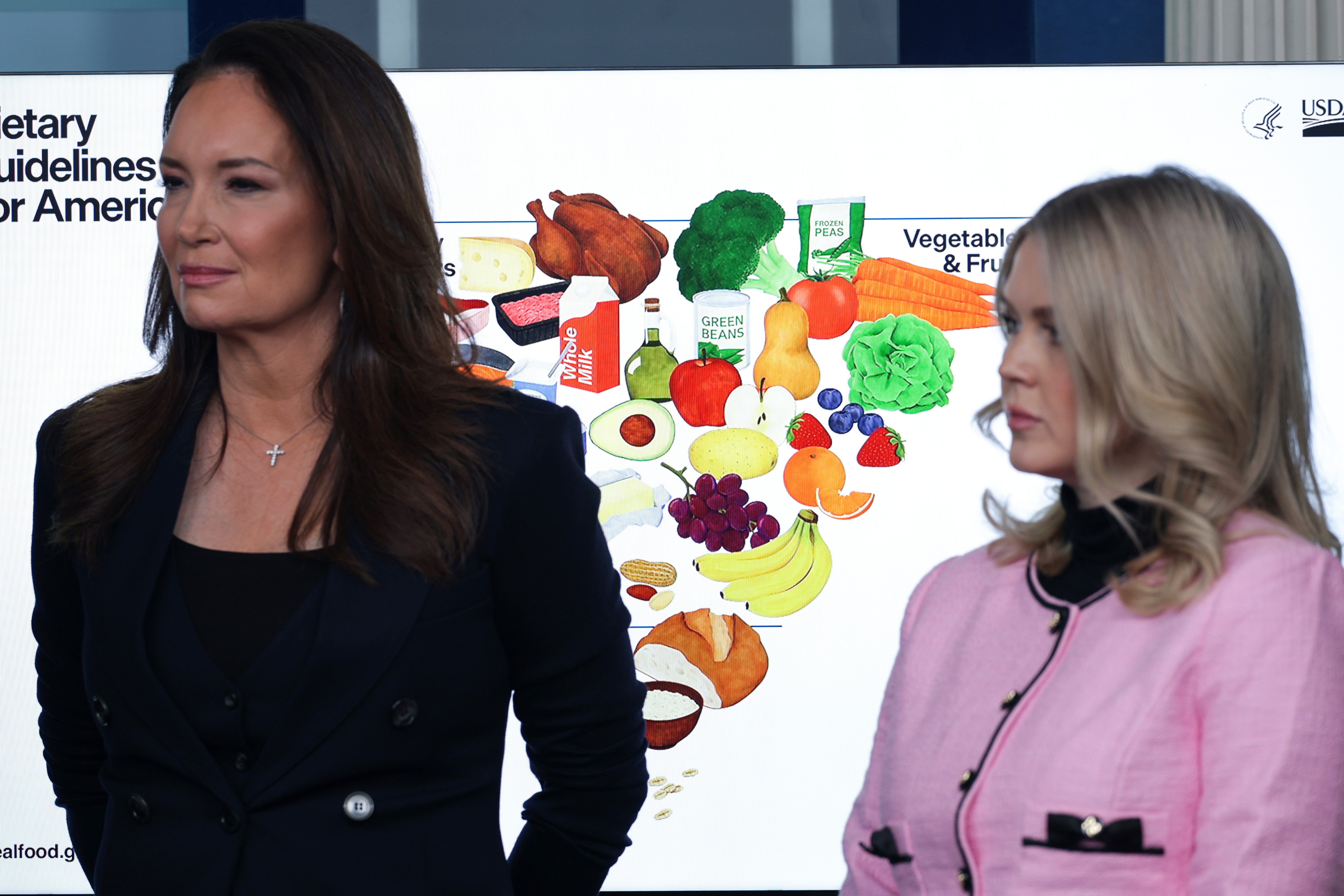
Many online commentators, including political figures and public personalities, swiftly dubbed Rollins’ suggestion a “depression meal,” highlighting its perceived inadequacy and the apparent disconnect from the struggles of ordinary Americans. Critics pointed out the irony of advocating such a minimalist diet while discussing broader economic policies. The backlash underscored a deeper societal concern: the perceived lack of empathy and understanding from officials regarding the financial pressures that influence food choices and access to nutritious options for families.
What are the new USDA dietary guidelines? The new USDA dietary guidelines, recently introduced by the Trump administration, emphasize increased consumption of protein, dairy, and healthy fats, while suggesting a reduction in whole grains. These guidelines aim to promote what officials refer to as ‘real food’ for American consumers, shifting from previous recommendations.
The timing of these dietary recommendations also coincided with persistent economic challenges, particularly concerning food costs. Despite overall inflation rates stabilizing, specific grocery items have seen significant price hikes. Data from the Bureau of Labor Statistics Consumer Price Index revealed substantial year-on-year increases in staples like uncooked ground beef and frozen fish and seafood, further exacerbating the difficulty for families to afford nutritious provisions. This economic backdrop made the “depression meal” comments particularly jarring for many.
Health experts have consistently weighed in on the complex interplay between dietary advice and socio-economic factors. Lauren Ball and Emily Burch, among others, have highlighted that access to affordable, healthy food remains severely limited in various parts of the United States. This issue is particularly acute for individuals and affordable healthy meals for families residing in low-income communities, rural areas, or those working demanding and unpredictable hours. These structural drivers, they argue, are often overlooked in broad dietary guidelines.
People’s food choices are fundamentally driven by affordability, accessibility, and cultural relevance, factors that often take precedence over nutritional recommendations when budgets are tight. Neglecting these practical considerations can render even well-intentioned guidelines ineffective for a significant portion of the population. Therefore, any comprehensive approach to improving public health through diet must address these underlying economic and social barriers, ensuring that affordable healthy meals for families are a realistic option, not just an ideal.
To truly support families, policy should focus on creating environments where nutritious food is both available and financially attainable. This involves considering initiatives that bolster local food systems, provide subsidies for healthy options, and educate consumers on maximizing their food budgets without sacrificing nutritional value. Simple, practical tips, such as meal planning, bulk buying non-perishables, and utilizing seasonal produce, can make a substantial difference in achieving affordable healthy meals for families.
Ultimately, the conversation around dietary guidelines cannot exist in a vacuum, separate from the economic realities that shape people’s lives. While encouraging healthier eating is a noble goal, it must be paired with an understanding of the financial constraints faced by everyday citizens. Ensuring that the path to wellness is accessible and affordable for everyone, especially when it comes to providing affordable healthy meals for families, remains a paramount challenge for policymakers and health advocates alike.