


The recent unveiling of updated US dietary guidelines for 2025 to 2030 has sparked significant discussion among nutrition experts and the public alike. Under the banner of “eat real food,” these recommendations aim to shape healthy eating habits for millions of Americans. A central focus of these new guidelines, and a critical concept for consumers to grasp, is understanding what is ultra processed food and why its limitation is now explicitly advised. These guidelines, updated every five years, represent a pivotal moment in public health messaging, influencing everything from food policy to individual meal choices.
These US dietary recommendations latest updates come from a comprehensive review process, albeit one that faced scrutiny over its methodology and committee composition. They continue to emphasize nutrient-rich foods such as fruits, vegetables, and whole grains, while also maintaining long-standing advice to limit added sugars and salt. However, several key shifts have emerged, prompting both praise and concern from the scientific community regarding their scientific basis and practical implications for a healthy eating guide for beginners.
What is ultra processed food? These are industrial formulations typically made from ingredients derived from foods, but rarely used in home cooking, such as high-fructose corn syrup, hydrogenated oils, and protein isolates, often containing additives like artificial colors, flavors, and emulsifiers. They are designed to be convenient, highly palatable, and have a long shelf life.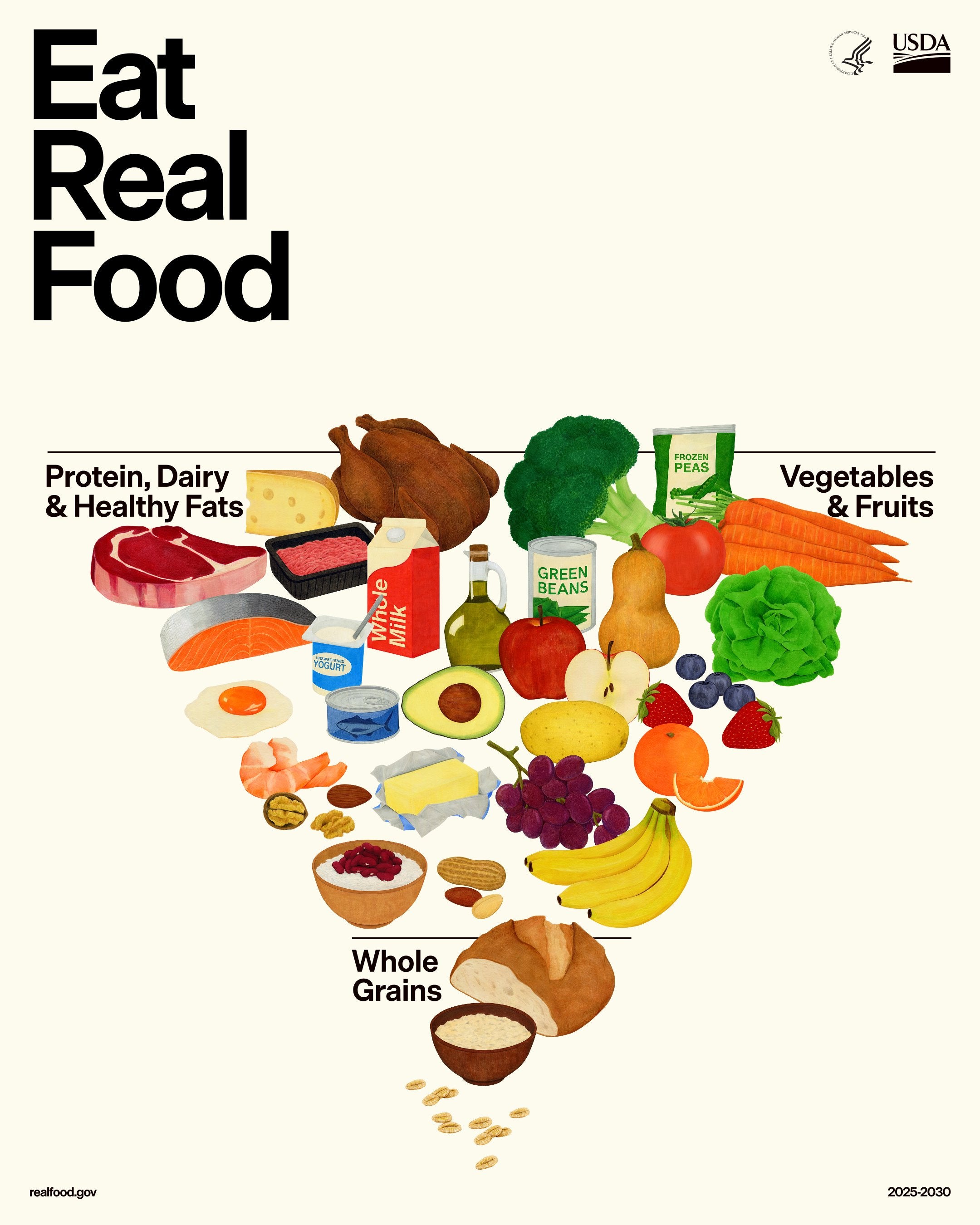
Explicitly advising people to limit and avoid ultra-processed foods marks a significant departure from previous guidelines. This shift is strongly supported by a growing body of research linking these products to an increased risk of chronic diseases, inflammation, and other adverse health outcomes. This particular healthy eating advice update reflects an evolving scientific consensus on the detrimental impact of these highly engineered food items on public health.
Another major change in the guidelines is the increased recommendation for protein intake. The previous suggestion of 0.8 grams per kilogram of body weight daily has been raised to 1.2–1.6 grams. This adjustment, largely based on studies related to weight loss and exercise, suggests a greater emphasis on protein at every meal. For those seeking a practical protein intake guide, this means prioritizing diverse sources, though the guidelines could be clearer on the benefits of lean options.
The recommendations also wade into the full fat vs low fat dairy debate, now suggesting full-fat dairy products over their reduced-fat counterparts. This advice has been met with caution by some health organizations, including the Heart Foundation in both Australia and the US, which continue to recommend reduced-fat dairy for individuals at higher risk of heart disease, underscoring the complexities and ongoing scientific discussions in nutritional science.
Controversially, explicit alcohol limits, a staple in guidelines since 1980, have been removed. The new advice simply states to “limit alcoholic beverages” without providing a quantifiable definition. Furthermore, warnings about alcohol’s well-established links to various cancers, present for 25 years, have also been omitted, despite the US Surgeon General’s recent call for cancer warning labels on alcoholic beverages.
The guidelines also introduce a recommendation for lower carbohydrate diets for individuals with “certain chronic diseases,” acknowledging evidence supporting its benefits for conditions like type 2 diabetes. However, this advice is carefully qualified, emphasizing that reducing carbohydrates is not safe or appropriate for everyone, such as children, pregnant women, or older adults, and should not be interpreted as a universal suggestion.
Underlying some of these shifts are disclosed conflicts of interest among several committee members, who received grants or consulting fees from various food industry groups, including associations linked to beef, pork, and dairy. While industry connections are not unprecedented in the development of dietary guidelines, the expedited review process for the 2025-2030 guidelines reportedly diverged from standard procedures, lacking typical systematic evidence protocols and public comment periods designed to limit individual influence.
Perhaps the most striking omission in these new guidelines is their lack of attention to socio-economic realities and a deliberate shift away from “health equity.” The simple messaging of “how to eat real food” overlooks the significant challenges many Americans face, including limited access to affordable, healthy, and culturally relevant food options, especially in low-income or rural communities. By placing the sole responsibility for healthy eating on individuals, the guidelines sidestep the broader systemic issues within the food system.
Looking ahead, the evolution of nutrition guidelines 2026 and beyond will undoubtedly continue to integrate new scientific discoveries and societal considerations. As global health challenges persist, understanding emerging healthy eating trends 2026 will be crucial for both policymakers and individuals. The ongoing dialogue around what constitutes a healthy diet reflects a dynamic field, where science, policy, and practical implementation constantly intersect.
Ultimately, while the new dietary guidelines offer some sensible advice, particularly regarding the avoidance of what is ultra processed food and the importance of whole foods, they also introduce contradictions and raise concerns about transparency and accessibility. Navigating the complexities of dietary advice, including choices between plant based vs meat protein, necessitates personalized, evidence-based support. Consulting a dietitian remains the best approach for individual guidance, especially as public health recommendations continue to evolve.







