Recent events in Minneapolis have brought a critical federal agent shooting update to the forefront of national discourse, highlighting the escalating tensions surrounding immigration enforcement. A Venezuelan immigrant was shot in the leg during an arrest attempt by federal agents, sparking immediate outrage and protests across the city. This incident, occurring shortly after another fatal shooting in Minneapolis, underscores the complex and often volatile interactions between federal authorities and local communities, demanding closer examination of policy and practice.
The Department of Homeland Security (DHS) confirmed that the incident began during a targeted traffic stop of an individual identified as an “illegal alien from Venezuela” who had been released into the country in 2022. Authorities claim the subject attempted to flee first by vehicle, then on foot, leading to a physical altercation with an agent. This confrontation quickly escalated, drawing in two additional individuals who allegedly assaulted the officer.
What is DHS enforcement? DHS enforcement encompasses the broad range of activities undertaken by the Department of Homeland Security to secure the nation’s borders, enforce immigration laws, and protect against terrorism. This includes operations carried out by agencies like ICE and CBP, involving arrests, detentions, and deportations of individuals deemed to be in violation of federal statutes.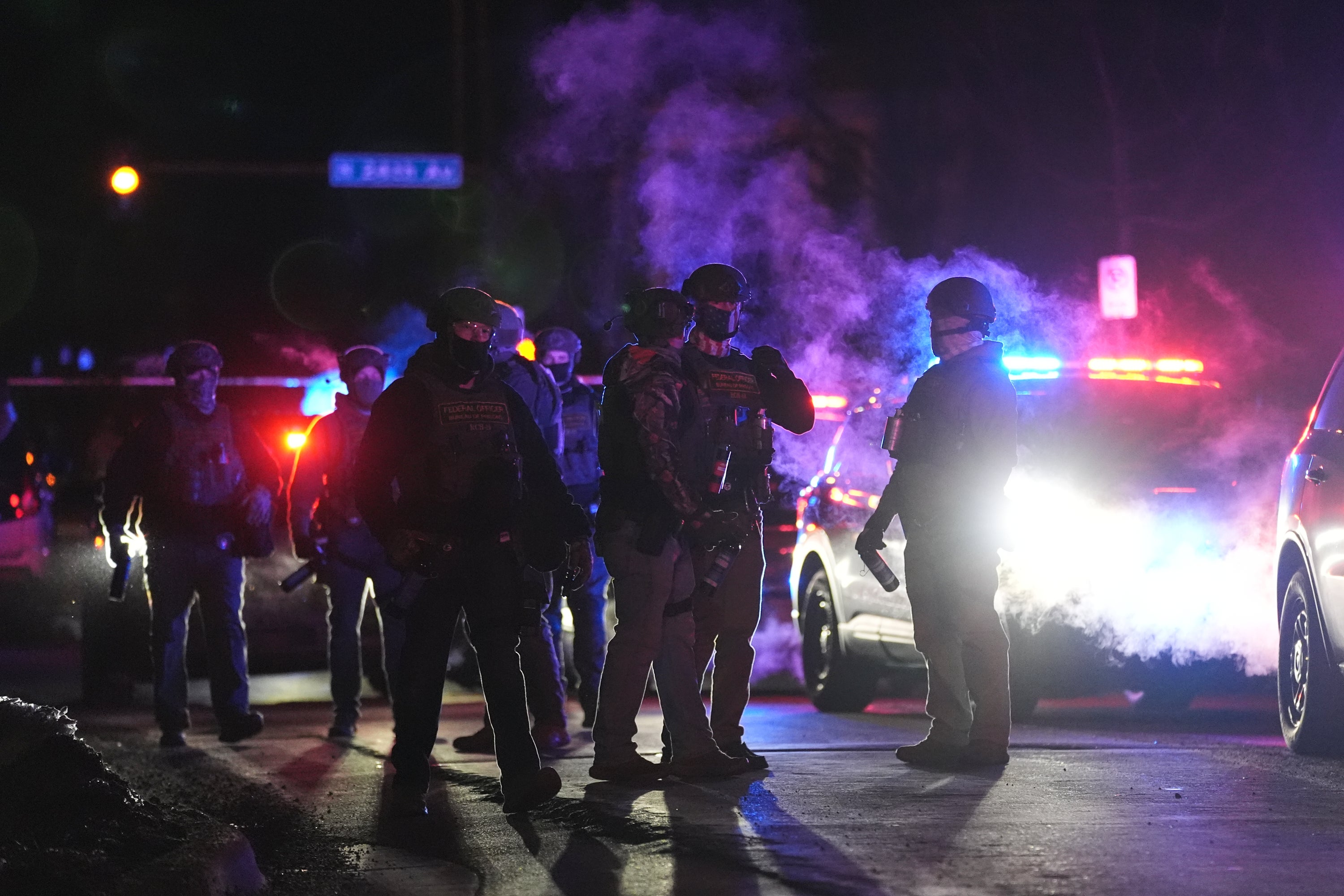
The DHS detailed that the agent, reportedly “fearing for his life and safety” after being attacked with a snow shovel and broom handle, fired a single defensive shot, striking the immigrant in the leg. All three individuals then barricaded themselves in a nearby apartment before eventually being detained. Both the injured immigrant and the arresting officer required hospital treatment, while the other two individuals remain in custody, awaiting further legal proceedings.
The Minneapolis protests latest developments show an immediate and passionate response from local residents. Demonstrators quickly gathered near the scene of the shooting, expressing solidarity with the community and voicing deep-seated concerns over the conduct of federal agents. The incident has reignited debates about federal overreach and the treatment of immigrants within the city, drawing comparisons to other recent contentious law enforcement actions.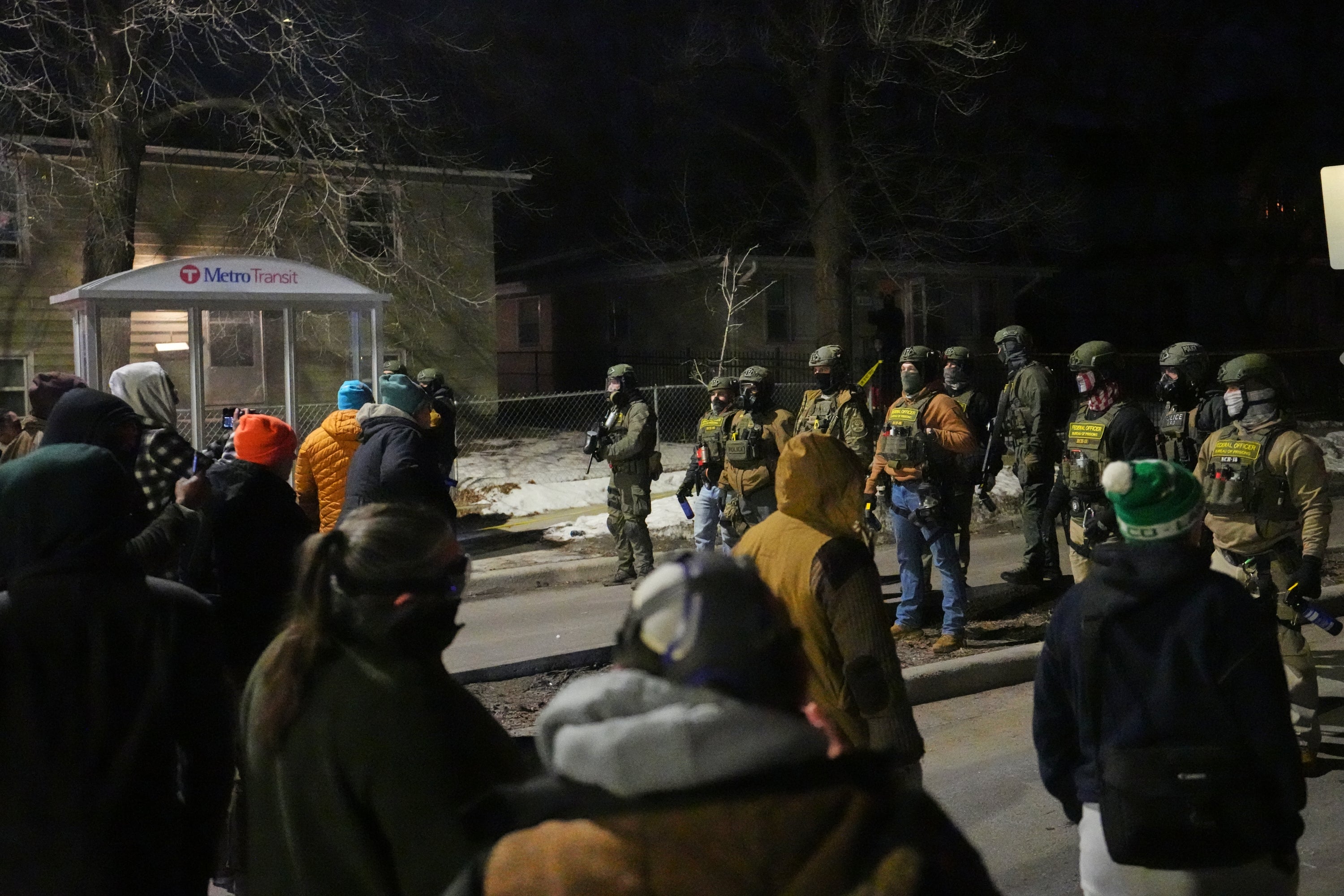
The clash between immigrant rights vs national security is a recurring theme in these discussions. While federal agencies emphasize their mandate to enforce national laws and maintain security, community advocates stress the importance of human rights, due process, and the protection of vulnerable populations. This shooting exemplifies the difficult balance policymakers and law enforcement must strike, often with profound consequences for individuals and communities.
Understanding the distinction between DHS vs ICE is crucial in this context. While ICE (Immigration and Customs Enforcement) is an agency within the Department of Homeland Security, DHS is the overarching department responsible for a wider array of security functions, including border protection (CBP) and cybersecurity. Both play roles in immigration enforcement, but their specific responsibilities and operational scopes differ, leading to varied public perceptions and criticisms.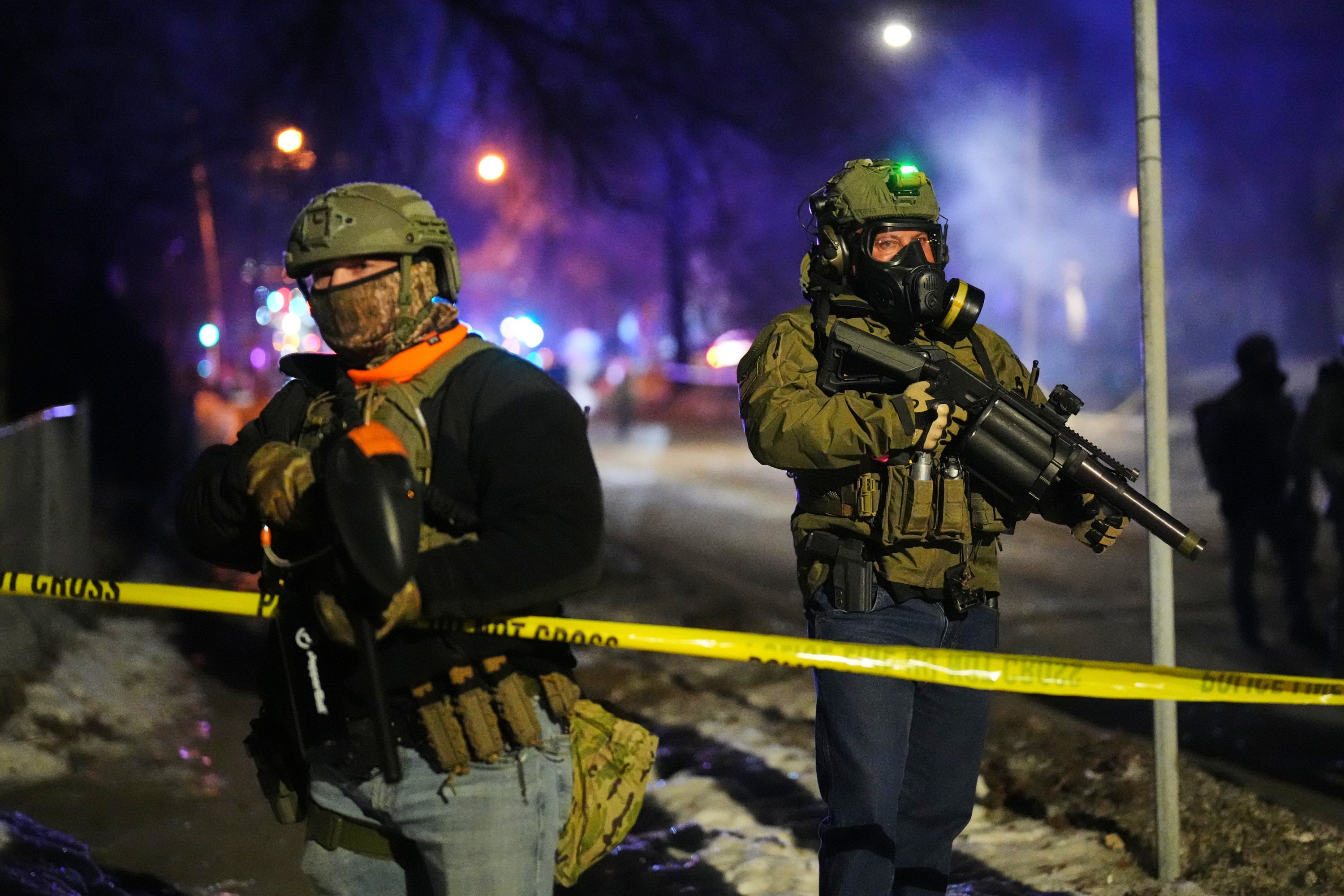
For many citizens and non-citizens alike, understanding US immigration policy can be a daunting task due to its complexity and frequent changes. The incident in Minneapolis highlights the real-world implications of these policies, particularly concerning the enforcement actions against individuals who may have entered the country under different administrations or circumstances. Calls for clearer, more humane, and consistent policies are growing louder.
In light of increasing numbers of arrivals, access to Venezuelan immigrant resources is becoming more vital. Organizations across the country work to provide legal aid, housing assistance, and social services to help new arrivals integrate and navigate the intricate legal system. Incidents like the Minneapolis shooting often prompt a surge in demand for these critical support networks, emphasizing the need for robust community infrastructure.
Looking ahead, the US immigration forecast 2026 suggests continued challenges and evolving policy debates. Factors such as global migration patterns, domestic economic conditions, and shifts in political leadership are expected to influence both legislative priorities and enforcement strategies. Communities like Minneapolis will likely remain at the forefront of these discussions, grappling with the human impact of national decisions.
Specifically, Venezuelan immigration trends 2026 indicate that the flow of migrants from Venezuela is likely to persist, driven by ongoing political and economic instability in their home country. This demographic shift presents unique integration challenges for host communities and requires tailored policy responses from federal, state, and local governments to ensure both security and humanitarian needs are met effectively.
So, why are immigration protests happening with such regularity and intensity? The core reasons often stem from perceived injustices, lack of transparency in enforcement actions, and a desire for greater accountability from law enforcement. These demonstrations are powerful expressions of community frustration and a demand for policy reforms that prioritize human dignity alongside national security objectives.
The aftermath of the Minneapolis shooting continues to unfold, with investigations underway and public scrutiny intensifying. This event serves as a stark reminder of the volatile nature of immigration enforcement and the profound impact it has on individuals, families, and the broader social fabric of American cities. The narrative surrounding such incidents is rarely simple, often encompassing legal, ethical, and humanitarian considerations that demand careful attention.
As communities await further details and accountability, the federal agent shooting update from Minneapolis will undoubtedly shape future dialogues on immigration policy, law enforcement practices, and the delicate balance required to uphold justice and ensure safety for all residents. The ongoing discussions underscore a national imperative to address these complex issues with both firmness and compassion.