Denmark has declared a “fundamental disagreement” with the United States following recent talks concerning Greenland, as Nato allies observe an increasing military presence in the region. The discussions involved US Vice President JD Vance and Secretary of State Marco Rubio, highlighting a significant divergence in perspectives regarding the Arctic territory. Denmark and Greenland are bolstering their defenses, with Sweden confirming a deployment of military officers to the Arctic at Denmark’s request, a move signaling the escalating geopolitical tensions. This heightened military activity underscores the strategic importance of Greenland and the growing concerns among Nato allies about potential shifts in regional power dynamics. The situation is particularly sensitive given former President Donald Trump’s persistent calls for a US takeover of Denmark’s Arctic territory.
Lars Løkke Rasmussen, Denmark’s foreign minister, stated after a crucial meeting that included Greenland’s foreign minister, that any working group should focus on addressing American security concerns while rigorously respecting the Kingdom of Denmark’s established boundaries. He emphasized that the prospect of the US acquiring Greenland is “absolutely not necessary,” citing Denmark’s exceptionally long-standing diplomatic relationship with the United States, which predates that with any other ally. This assertion aims to underscore the existing strong ties and question the rationale behind a territorial acquisition.
The government of Greenland and the Danish Ministry of Defence jointly announced that “the geopolitical tensions have spread to the Arctic.” Consequently, they have decided to sustain and increase the Danish armed forces’ exercise activities in Greenland, working in close collaboration with Nato allies. This strategic decision involves an expanded military presence both in and around Greenland, reinforcing the alliance’s commitment to regional security and stability.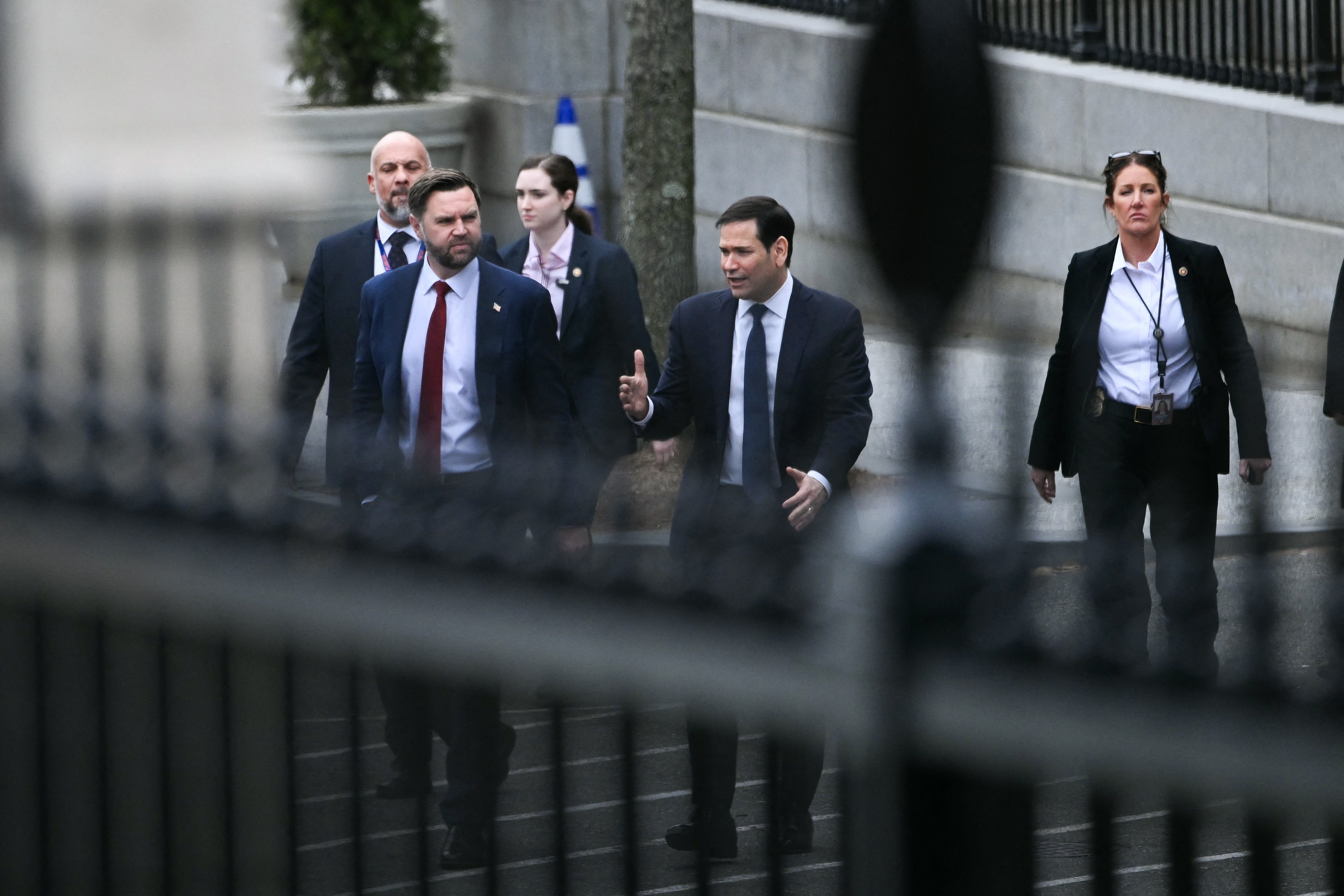
This comprehensive plan includes a range of military exercises, such as those involving fighter aircraft and naval tasking. It also encompasses the reception of allied troops, alongside enhanced policing and the guarding of critical installations. These measures are designed to project a strong defensive posture and deter potential aggressors, reflecting the seriousness with which Denmark and Greenland are treating the evolving security landscape.
Danish Minister of Defence Troels Lund Poulsen explained that Denmark intends to establish a “bigger military footprint” and a “more permanent presence on Greenland going forward.” While acknowledging that a direct military attack between Nato nations is unlikely, this increased presence signals a proactive approach to safeguarding national interests and maintaining a credible deterrent.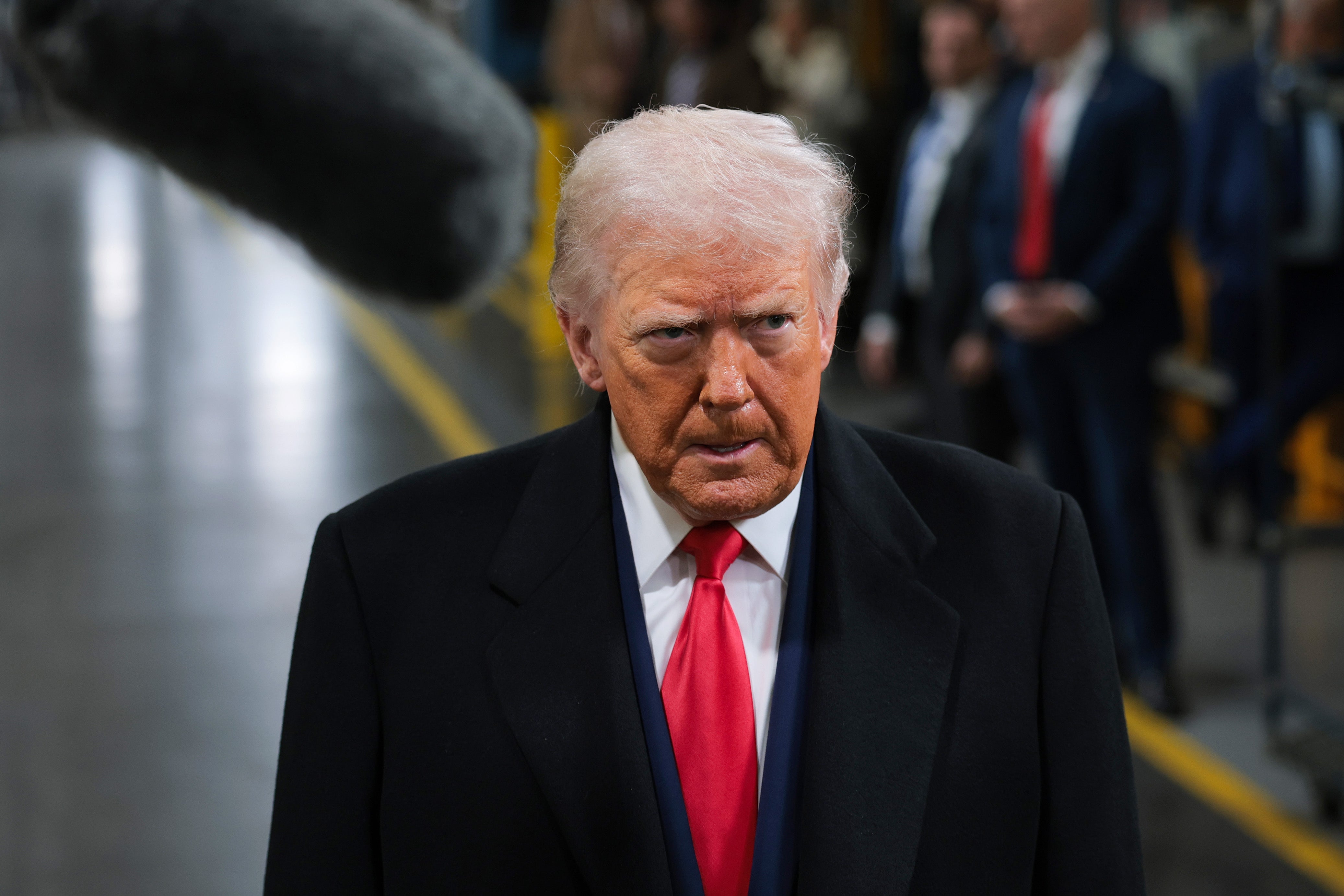
President Donald Trump has intensified his demands for full US control over Greenland, stating that “anything less than that is unacceptable.” He has consistently argued that Greenland is vital for American “national security” and is crucial for preventing Russia or China from asserting their influence in the region. His aspirations, however, have met with considerable opposition across Europe, with prominent figures expressing their concerns.
European Commissioner Andrius Kubilius warned that a US takeover would signify the “end of Nato,” highlighting the potential for such a move to destabilize the alliance. European Union Commission President Ursula von der Leyen reiterated the strong relationship between the EU and Greenland, assuring that the EU respects the wishes and interests of Greenlanders and can be counted on for support.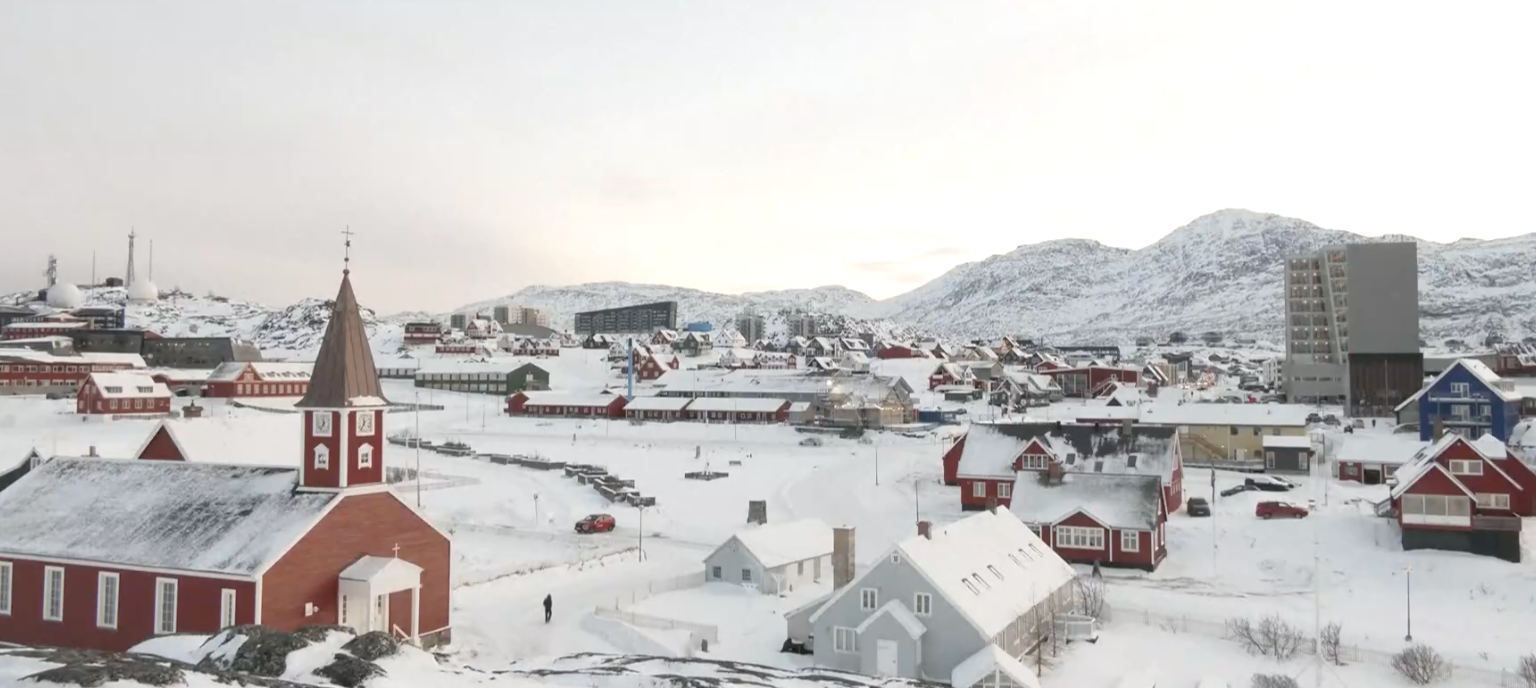
French President Emmanuel Macron echoed the sentiments of his European allies, stating that “we do not underestimate statements on Greenland.” He emphasized that any impact on the sovereignty of a European country and ally would have “unprecedented” repercussions, indicating France’s close monitoring of the situation and its commitment to full solidarity with Denmark.
Reports suggest that the United Kingdom is also considering providing backup, further illustrating the widespread concern among European nations regarding the US position. The involvement of JD Vance in these discussions, prompted by Denmark’s foreign minister and Greenland’s Vivian Motzfeldt, has raised concerns due to his firm stance on a potential US takeover.
Last week, Vance urged European nations to “take the security of that land mass more seriously,” warning that if they did not, “the United States is going to have to do something about it.” This statement underscores the perceived urgency from the US perspective and the potential for unilateral action if diplomatic efforts do not yield the desired outcome.
Trump himself posted on Truth Social that the scheme was “vital for the Golden Dome that we are building” and asserted that “Nato should be leading the way for us to get it.” He further warned that “IF WE DON’T, RUSSIA OR CHINA WILL, AND THAT IS NOT GOING TO HAPPEN!” This highlights his belief that US control is essential for preventing adversarial powers from gaining a foothold in the strategically important Arctic region.
He elaborated on this point by stating that Nato would become “far more formidable and effective with Greenland in the hands of the UNITED STATES.” Trump initially proposed the idea of purchasing Greenland, a territory known for its vast reserves of untapped minerals and natural resources, back in 2019. Denmark currently governs Greenland as a semi-autonomous territory, a status that underscores its distinct political identity and governance.
What is the main point of disagreement between Denmark and the US regarding Greenland? The primary disagreement stems from former President Donald Trump’s persistent calls for a US takeover of Greenland, which Denmark views as unnecessary and a threat to its sovereignty, despite acknowledging American security concerns. Denmark insists on respecting its red lines while working through differences.
Trump’s initial proposal to purchase Greenland dates back to 2019, reigniting discussions about the island’s strategic importance and potential economic value. The territory’s semi-autonomous status under Danish rule adds another layer of complexity to these international negotiations and aspirations.
This ongoing debate underscores the delicate balance of international relations, national security interests, and the sovereign rights of nations in the strategically vital Arctic region. The increased military presence and diplomatic exchanges are indicative of the high stakes involved.