The question of why does Iran use forced confessions is central to understanding the state’s severe suppression of dissent and its ongoing human rights crisis. Recent reports confirm that Iranian state media has aired nearly 100 coerced confessions from protesters, many allegedly obtained under torture or duress. This alarming trend highlights a deeply entrenched strategy by the Iranian government to discredit opposition movements and justify its often brutal crackdown on civil unrest, turning public dissent into a narrative of foreign-backed plots.
This practice is not new to Iran; televised confessions have been a staple of hard-line state television since the 1979 Islamic Revolution. However, the sheer volume of these broadcasts in recent weeks, following widespread protests, marks an unprecedented escalation. Activists and human rights organizations worldwide are gravely concerned, viewing these acts as profound violations of fundamental human rights and international law.
What are forced confessions in Iran? The Iranian government employs forced confessions, often extracted under duress or torture, as a propaganda tool to discredit protests and legitimize its crackdown. These televised admissions aim to frame dissent as foreign-orchestrated plots, thereby justifying severe state responses and eroding public trust in activist movements.
Organizations like the US-based Human Rights Activists News Agency (HRANA) have documented that these confessions frequently follow psychological or physical torture. The grim consequences for those coerced can be severe, including lengthy prison sentences or even the death penalty. Such practices represent a blatant disregard for due process and the fundamental rights of individuals, illustrating a significant failing in Iran human rights protections.
In many cases, the content of these confessions often includes references to the United States or Israel, aligning with the Iranian government’s narrative that protests are not organic expressions of domestic discontent but rather orchestrated by external enemies. This strategic framing allows the state to deflect criticism regarding its internal policies and Iran government response to public grievances, instead painting protesters as traitors or foreign agents.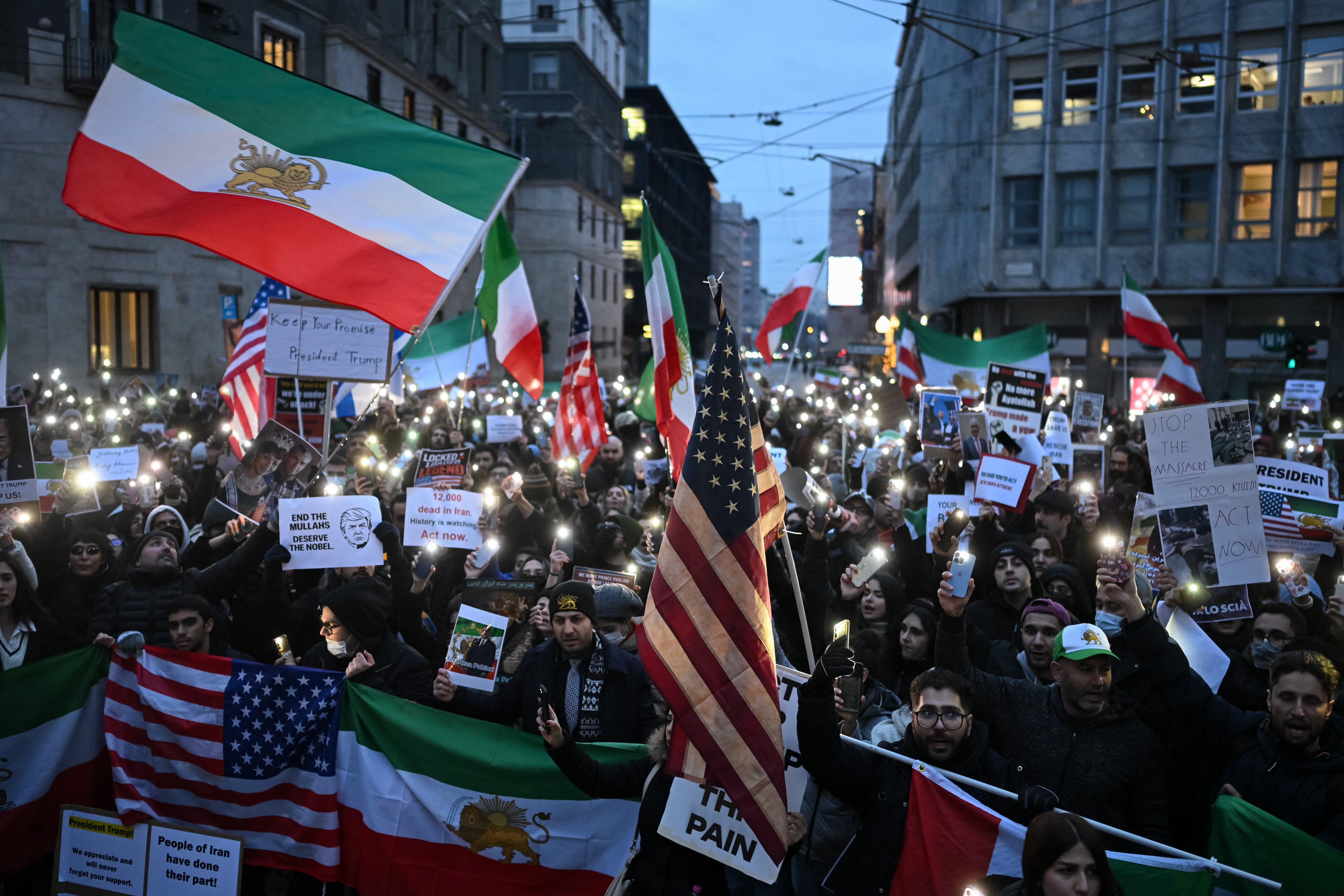
The international community has repeatedly condemned Iran’s use of forced confessions. A 2014 UN Special Rapporteur report highlighted that a significant percentage of previously detained individuals reported coerced information or confessions being used in their hearings, often leading to trials lasting mere minutes. This starkly contrasts with established international law and fair trial standards, raising serious questions about whether is Iran violating human rights on a systemic level.
Following the 2022 protests over the death of Mahsa Amini, which led to over 500 deaths and 22,000 detentions, the European Parliament adopted a resolution strongly condemning the Islamic Republic’s policy of forcing confessions through torture, intimidation, and threats against family members. This resolution underscored the global alarm over Iran’s tactics and the severe outcomes for those implicated in these televised admissions.
The issue of human rights violations explained within the context of Iran extends beyond forced confessions to include a high rate of executions. In 2024, Iran executed 975 people, the highest number since 2015, with many facing charges related to security offenses. Human rights groups express profound concern that the latest wave of video confessions could lead to a surge in executions connected to recent protests, as many security-related offenses carry the death penalty in Iran.
For those seeking an understanding Iran human rights, it is crucial to recognize the interconnectedness of these repressive tactics. The forced confessions serve not only as propaganda but also as a mechanism to justify severe judicial outcomes, creating a chilling effect on dissent. The continuous Iran human rights update from various monitoring bodies paints a consistent picture of widespread abuses that demand ongoing international attention and pressure.
Ultimately, the persistent question of why does Iran use forced confessions reveals a calculated state strategy designed to maintain power through fear and misinformation. These actions undermine justice, silence opposition, and perpetuate a cycle of human rights abuses that continue to draw condemnation from around the world. The international community must continue to scrutinize these practices and advocate for accountability and respect for fundamental freedoms in Iran.