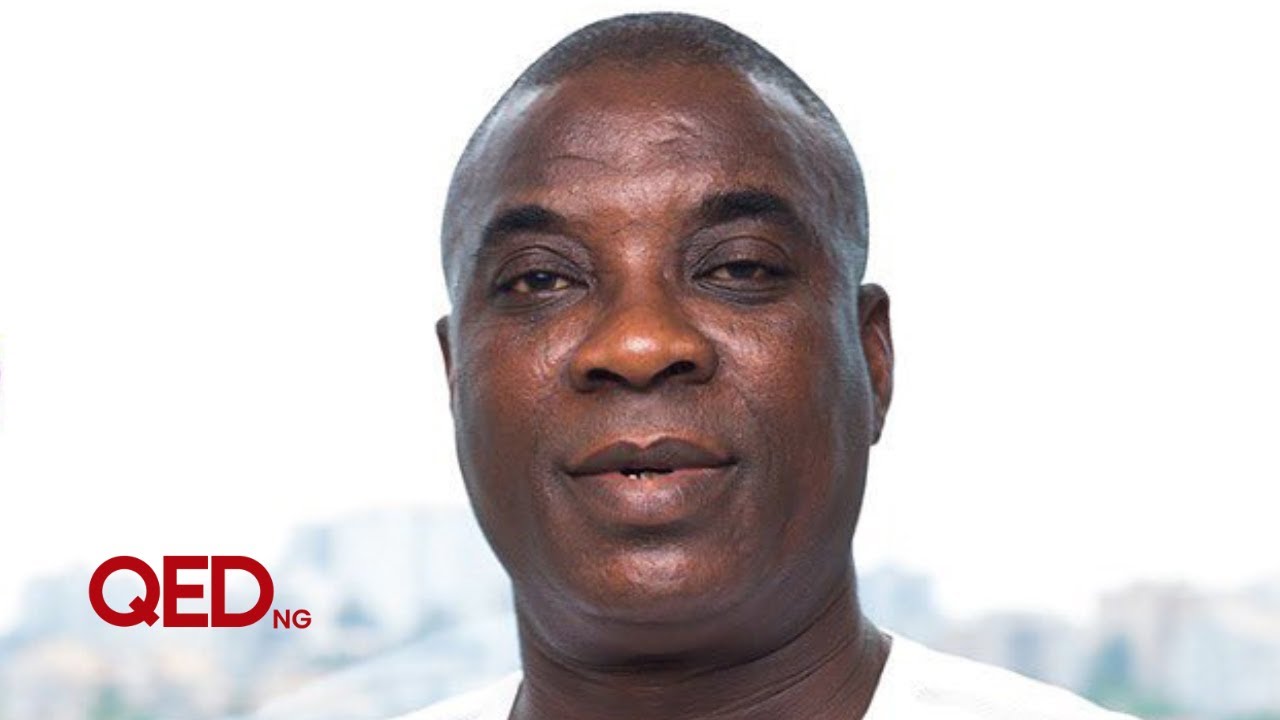
Fuji music icon Wasiu Ayinde, popularly known as K1 De Ultimate, has ignited a significant controversy surrounding the ongoing Awujale nomination process in Ijebuland. He recently dispatched a strongly worded letter to Ogun State Governor Dapo Abiodun, articulating profound concerns over what he describes as glaring irregularities. This unprecedented intervention by a prominent public figure underscores the gravity of the situation as the revered Ijebu people anticipate the selection of their next monarch. K1 De Ultimate’s actions bring the intricate dynamics of traditional succession into sharp focus, demanding transparency and adherence to established protocols within the Awujale nomination process.
The esteemed Awujale throne, a symbol of heritage and authority for the Ijebu people, became vacant following the demise of Oba Sikiru Adetona in July 2025. Oba Adetona’s reign was a monumental one, spanning more than six decades and leaving an indelible mark on Ijebuland. His passing naturally triggered the customary and legal procedures for selecting a successor. This pivotal moment requires meticulous adherence to tradition and law, as the integrity of the entire chieftaincy institution rests on a fair and legitimate selection. The vacancy has drawn considerable attention across Ogun State and beyond.
K1 De Ultimate, through his legal representative Wahab Shittu, meticulously detailed his grievances in the letter, dated January 8. The musician specifically questioned the procedural approach adopted by the Fusengbuwa ruling house, which is constitutionally tasked with presenting candidates, and the Ijebu Ode Local Government. He highlighted that while the Local Government Secretary initially directed the ruling house to convene a statutory meeting for nominations, subsequent notices introduced additional requirements that, according to K1, are alien to the established chieftaincy declaration and the Obas and Chiefs Law of Ogun State.
These contested new requirements reportedly include the mandatory acquisition of nomination forms and appearances before a specially constituted screening panel. Furthermore, delegates were allegedly to be selected prior to the actual nomination meeting, a step K1 argues is designed to pre-determine outcomes. He contends that such directives not only contravene the existing legal framework but also possess the potential to significantly disenfranchise eligible members of the ruling house, thereby undermining the democratic essence of the traditional selection. This conflict between tradition and newly imposed rules forms the crux of the ogun state chieftaincy dispute explained by K1.
What is a chieftaincy declaration? A chieftaincy declaration is a pivotal legal document in Nigeria that meticulously outlines the customary laws and traditions governing the succession to a traditional royal stool. It specifies the recognized ruling houses, the eligibility criteria for candidates, and the precise process for selecting a chief or king within a particular community. This declaration serves as the primary legal guide for ensuring fair and legitimate successions.
The musician’s letter emphatically stated: “It is a matter of deep concern to our client that all these directives, which contravene the Chieftaincy Declaration, the Obas and Chiefs Law, and the letter from the Secretary of Ijebu Ode Local Government, were included in the family’s letter dated January 6, 2026.” This direct quotation underscores the perceived deliberate attempt to manipulate the process. K1 further asserted that “It is clear that there are plans by the leadership of the ruling house to disenfranchise members desirous of participating in the nomination of candidates for the Awujale stool.”
K1 De Ultimate’s appeal to Governor Dapo Abiodun is a fervent call for immediate intervention. He urges the Governor to leverage his executive authority to ensure due process is rigorously followed, thereby protecting the fundamental rights of all eligible members of the ruling house. The integrity of the Awujale nomination process is paramount, and a gubernatorial intervention is seen as vital to prevent a potentially prolonged and divisive internal conflict, ensuring that the next Awujale commands universal respect and legitimacy. This push for fairness is a critical aspect of resolving the current Awujale nomination process dispute.
In a swift rebuttal, Professor Fassy Yusuf, who serves as the vice chairman of the Fusengbuwa ruling house, dismissed K1 De Ultimate’s petition as “misguided.” Yusuf defended the introduction of a screening process, explaining that it was a pragmatic necessity given the substantial number of ruling house members who might express interest in the vacant stool. He maintained that these measures were intended to streamline and organize the complex selection, not to exclude qualified individuals. This counter-argument highlights the differing perspectives on managing traditional succession in a modern context.
The broader implications of this dispute extend beyond the immediate parties. It raises pertinent questions about the balance between ancient traditions, codified laws like the chieftaincy declaration vs obas and chiefs law, and the practicalities of modern governance in selecting traditional rulers. The outcome of this particular awujale of ijebuland latest update will undoubtedly set a precedent for how future chieftaincy matters are handled across Ogun State, influencing the stability and perceived fairness of traditional institutions.
Historically, the Awujale of Ijebuland has played a crucial role not only as a custodian of culture and tradition but also as a significant figure in community development and conflict resolution. The stability of the throne is thus intrinsically linked to the well-being and progress of Ijebuland. Ensuring a transparent and uncontroversial awujale succession 2026 guide is therefore paramount, as any lingering doubts about the selection process could undermine the authority and effectiveness of the new monarch.
As the situation evolves, the eyes of the public, particularly those interested in k1 de ultimate awujale news, remain fixed on the Ogun State Government. Governor Abiodun’s response will be critical in shaping the trajectory of this high-profile traditional leadership tussle. The complexities inherent in reconciling traditional customs with contemporary legal frameworks make this a fascinating case study in Nigerian traditional governance, underscoring the delicate balance required to maintain peace and order within the Awujale nomination process.
The demand for clarity and adherence to the chieftaincy declaration is not merely a legalistic point but a call to preserve the sanctity of a time-honored institution. The controversy surrounding the Awujale nomination process serves as a potent reminder of the challenges inherent in traditional leadership transitions in Nigeria, particularly when prominent figures like K1 De Ultimate weigh in, advocating for what they perceive as justice and fairness. The final resolution will hopefully reinforce public confidence in the integrity of the Awujale nomination process and the broader system.