


The fatal shooting of Renee Good by an Immigration and Customs Enforcement (ICE) officer in Minneapolis has ignited a firestorm of protests and calls for accountability, bringing the complex issue of federal law enforcement actions into sharp focus. The incident, which has led to thousands of planned demonstrations across the country, demands a thorough understanding of the events that transpired and their broader implications. This article delves into the details of the Renee Good shooting explained, exploring the perspectives, legal challenges, and community responses that have emerged.
Thousands of anti-ICE demonstrations, dubbed “ICE Out For Good,” are scheduled nationwide, with organizers emphasizing nonviolent and lawful gatherings. These protests, supported by prominent groups such as Indivisible, Voto Latino, and the ACLU, aim to reduce ICE presence in cities and demand greater accountability from federal agents. The movement reflects deep-seated concerns within communities regarding the methods and oversight of federal immigration enforcement.
What happened in the Minneapolis ICE shooting? The Minneapolis ICE shooting involved Officer Jonathan Ross firing into Renee Good’s vehicle, resulting in her death. Administration officials stated Ross acted in fear for his life, while new cellphone footage of the interaction has emerged, intensifying scrutiny and calls for independent investigation into the circumstances surrounding the fatal incident.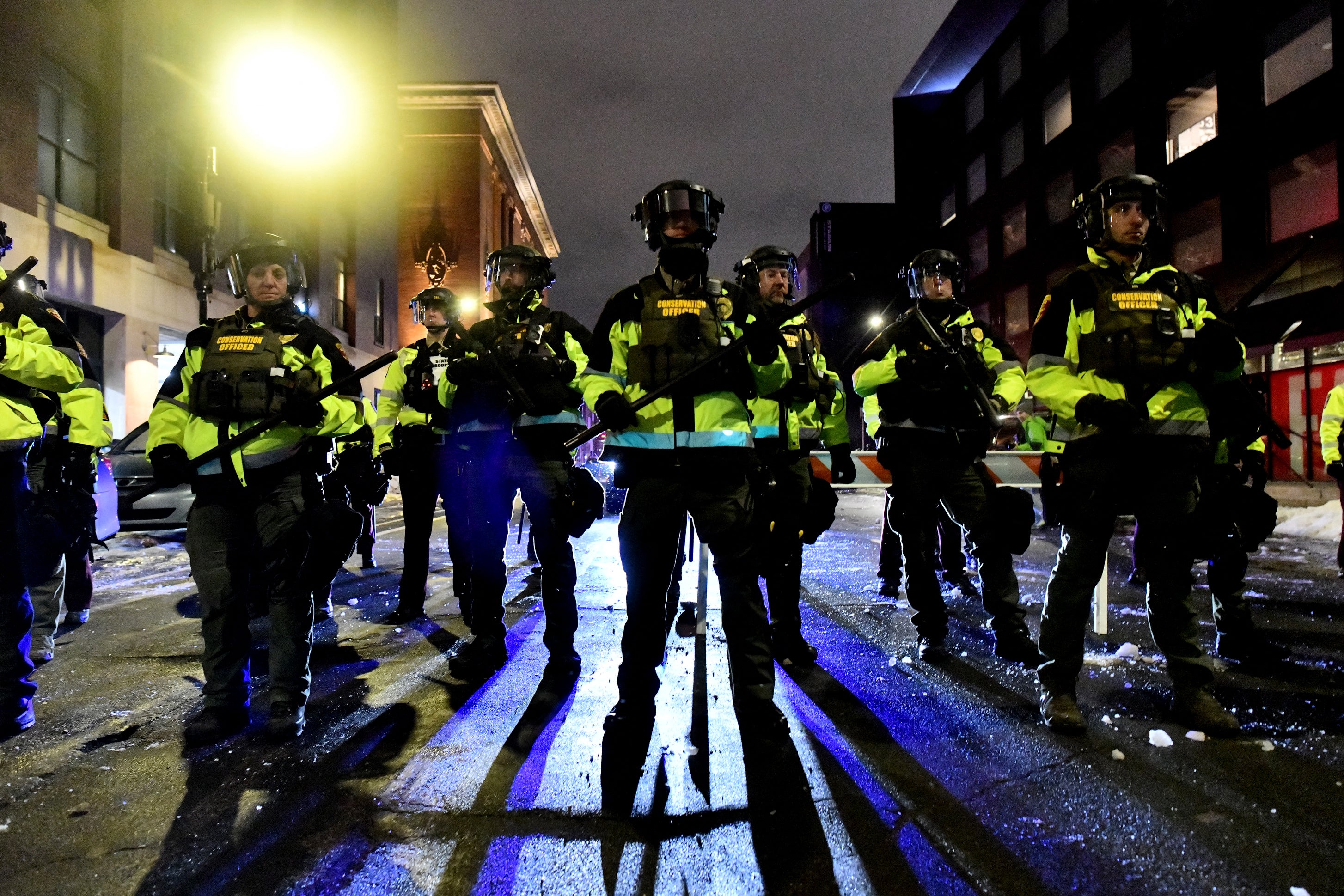
Central to the controversy is the role of ICE officer Jonathan Ross, identified as the agent who fired the fatal shots. While administration officials claim Ross acted out of fear for his life, the incident has sparked a contentious debate around federal law enforcement immunity. Vice President JD Vance’s assertion of “absolute immunity” for federal officers engaged in their duties has drawn strong criticism, particularly from local Minneapolis authorities.
Minneapolis Mayor Jacob Frey has publicly dismissed Vance’s “absolute immunity” concept as “bizarre” and “extremely concerning.” Mayor Frey has emphatically called for the Bureau of Criminal Apprehension to be involved in the investigation, underscoring a significant jurisdictional and accountability clash between federal and local government bodies. This tension highlights the complex legal landscape surrounding incidents involving federal agents.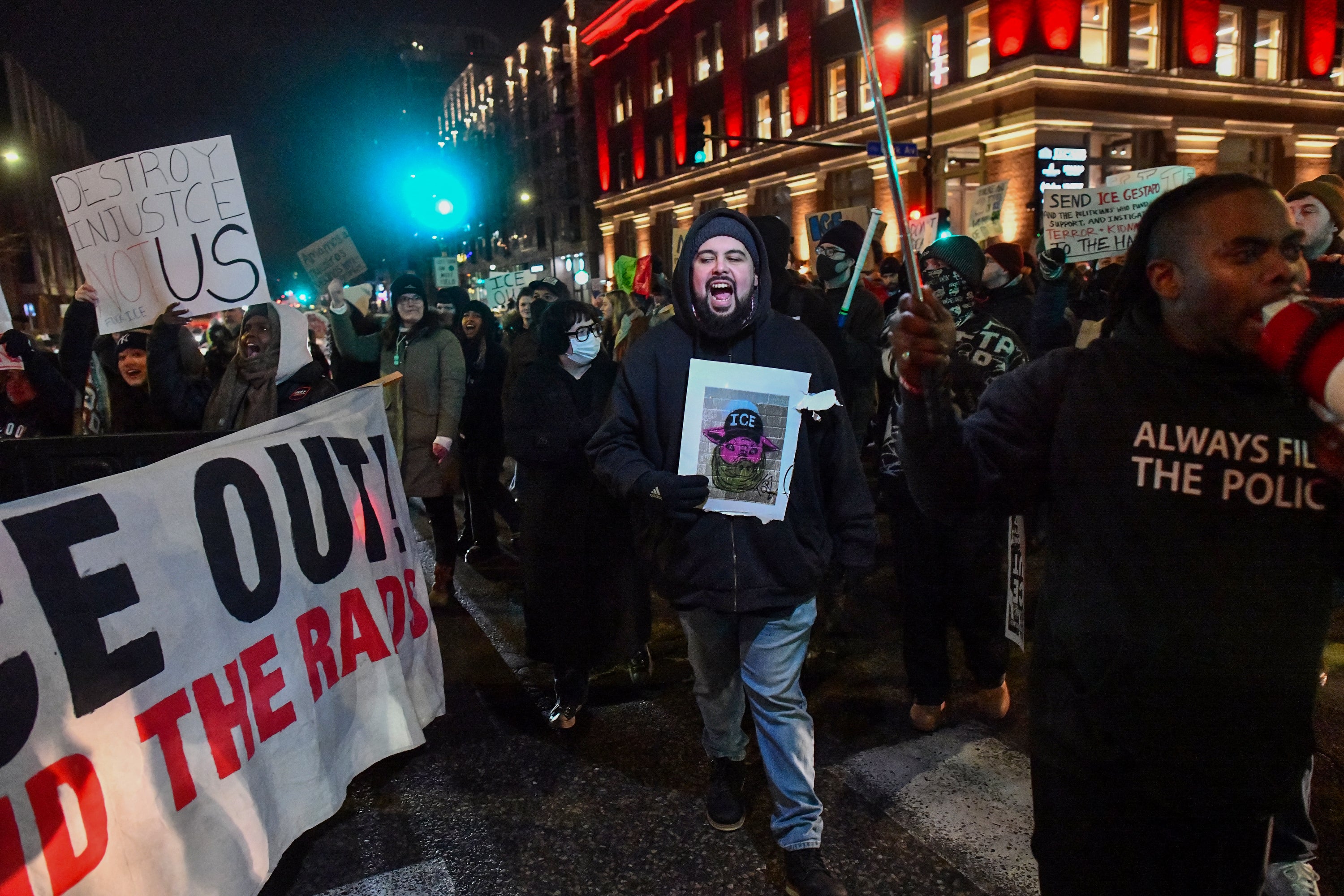
Further escalating tensions, Minnesota Representatives Ilhan Omar, Angie Craig, and Kelly Morrison were denied access to a federal building in Minneapolis for what Omar described as congressional oversight. This refusal to grant elected officials entry to a federal facility during a critical incident adds another layer to the narrative of federal opacity and challenges to transparency from the community and its representatives.
The incident also comes amidst existing legal challenges against ICE. The ACLU had previously filed a lawsuit on behalf of Minneapolis residents alleging unconstitutional actions by federal agents, including chemical spray, rubber bullets, and threats of arrest. Plaintiffs are now urgently seeking a federal judge’s intervention, citing Renee Good’s death and subsequent aggressive confrontations as extraordinary circumstances requiring swift action.
Protests stemming from the Renee Good shooting have largely been peaceful, particularly in residential areas like Powderhorn Park, where demonstrations call for an “end to deadly terror on our streets.” Organizers have consciously worked to differentiate these gatherings from the more violent unrest that followed the killing of George Floyd in 2020, emphasizing lawful and nonviolent expressions of dissent, though some confrontations have occurred near federal buildings.
The tragic events in Minneapolis underscore broader questions about federal immigration enforcement, accountability, and the rights of citizens. As calls for transparency and justice intensify, the unfolding investigation and planned protests will likely shape discussions around ICE policies and police reform for the foreseeable future, potentially influencing legislative efforts in the coming year.
Ultimately, the Renee Good shooting explained reveals a deeply complex situation involving federal authority, community outcry, and the pursuit of justice. The coming weeks will be critical as investigations proceed and protests continue, determining the path forward for accountability and reform in Minneapolis and potentially setting precedents for how such incidents are handled across the nation.







