The vast, ice-covered expanse of Greenland, a self-governing territory within the Kingdom of Denmark, has long held a unique allure for global powers, particularly the United States. Recent headlines, fueled by former President Donald Trump’s repeated expressions of interest in purchasing the island, have brought its geopolitical significance into sharp focus. This persistent ambition raises a fundamental question for many observers: Why US wants Greenland, and what are the multifaceted reasons behind such a strategic pursuit? From its critical location in the Arctic to its untapped natural resources, Greenland represents a prize with significant implications for international relations and resource control, despite the resolute rejection from its indigenous Inuit population who vehemently assert their desire for independence.
Greenland, the world’s largest island, has a complex history tied to Denmark for centuries. While it gained home rule in 1979 and further self-government in 2009, giving it control over most domestic affairs, foreign policy and defense largely remain under Danish purview. The idea of the United States acquiring Greenland is not entirely new; the U.S. previously attempted to purchase it in 1867 and again after World War II. These historical overtures underscore a consistent strategic interest that predates recent headlines, rooted in the island’s unique geographic position and perceived military value during various geopolitical eras.
Why does US want Greenland? The United States views Greenland as a strategically vital territory due to its location in the Arctic, offering military advantages and potential control over emerging shipping routes. Furthermore, Greenland holds vast reserves of rare earth minerals and other natural resources, presenting significant economic and industrial opportunities for the US.
What is Inuit Nunaat, and why is its identity so central to the debate over Greenland’s future? Inuit Nunaat, meaning “the land of the Inuit,” is the indigenous name for Greenland, reflecting the profound cultural and historical connection of its majority population. Approximately 89% of Greenland’s 57,000 residents are indigenous Inuit, a people with a rich heritage and a strong desire for self-determination. Their voice, often overlooked in global power discussions, is unequivocally against any foreign acquisition, emphasizing their distinct identity separate from both Danish and American influences. This deep-rooted sentiment is a crucial factor in understanding the island’s resistance to external pressures.
The strategic value of Greenland extends far beyond its vast landmass. For the United States, its location in the North Atlantic is paramount, especially concerning military and defense strategies. It offers a critical staging ground for Arctic operations and a vital link in radar and early warning systems, particularly Thule Air Base. Looking ahead, the Greenland geopolitical importance 2026 projections highlight its increasing relevance as climate change opens new Arctic shipping lanes, dramatically shortening transit times between continents. Controlling these routes could grant significant economic and military leverage, making the island a pivotal piece in future global trade and security architectures.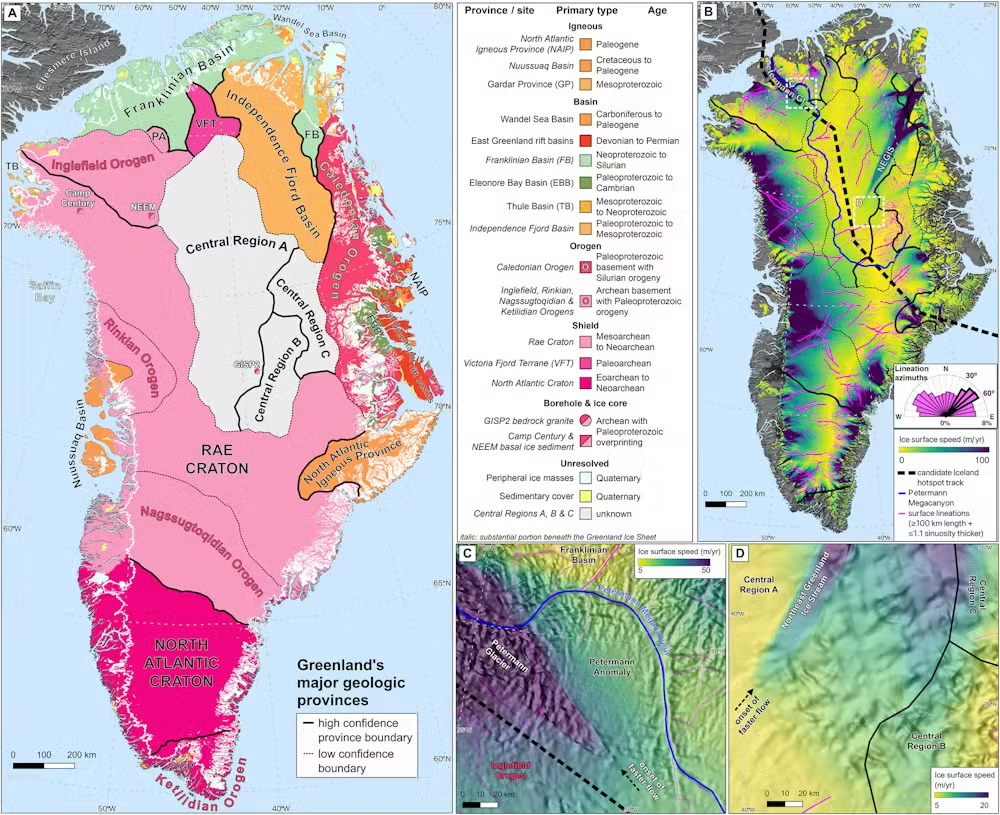
Beyond its strategic military position, the economic potential of Greenland’s subsoil is a major driver of international interest. Greenland natural resources explained reveals a wealth of untapped minerals crucial for modern technology and industry. These include substantial deposits of rare earth elements, which are vital for electronics, electric vehicles, and renewable energy technologies. Additionally, there are significant reserves of oil, gas, uranium, gold, and zinc. The prospect of accessing these resources offers a compelling economic incentive for nations like the US, seeking to secure supply chains and reduce dependence on other global suppliers, particularly in a future where resource scarcity could escalate.
At the heart of the current international discussion is the fundamental concept of self-determination. Greenland sovereignty explained means the inherent right of the Greenlandic people to govern themselves without external interference. While Denmark maintains certain responsibilities, Greenlanders have progressively gained more control over their affairs. The strong public sentiment, as articulated by political leaders and citizens alike, is a clear rejection of becoming a pawn in a larger geopolitical game. They assert that Greenland’s future must be decided by its own people, not by the ambitions of other nations, underlining a powerful commitment to their cultural identity and political autonomy.
The recent surge in attention around Greenland was largely ignited by the administration of former President Donald Trump. Persistent Donald Trump Greenland news reports detailed his serious intent to purchase the territory, even reportedly considering substantial payments to its residents. His public statements, often characterized by a dismissive tone towards Greenlandic and Danish objections, created a diplomatic stir. Trump’s “we’re going to do something with Greenland whether they like it or not” remark underscored a transactional approach to international relations, which was met with widespread condemnation from Greenland, Denmark, and other European allies who staunchly defended the island’s sovereignty.
The debate over Greenland also highlights a subtle but significant tension regarding US vs European interests Greenland. While the US prioritizes military strategy and securing critical resources, European nations, particularly Denmark and the EU, emphasize existing partnerships and sustainable development. The EU, for instance, has agreements with Greenland to expand mining activities, focusing on responsible resource extraction. This contrast in approaches suggests a broader competition for influence and access in the Arctic. European allies largely stood with Denmark and Greenland in defending the territory’s right to self-determination, signaling a unified front against unilateral acquisition attempts.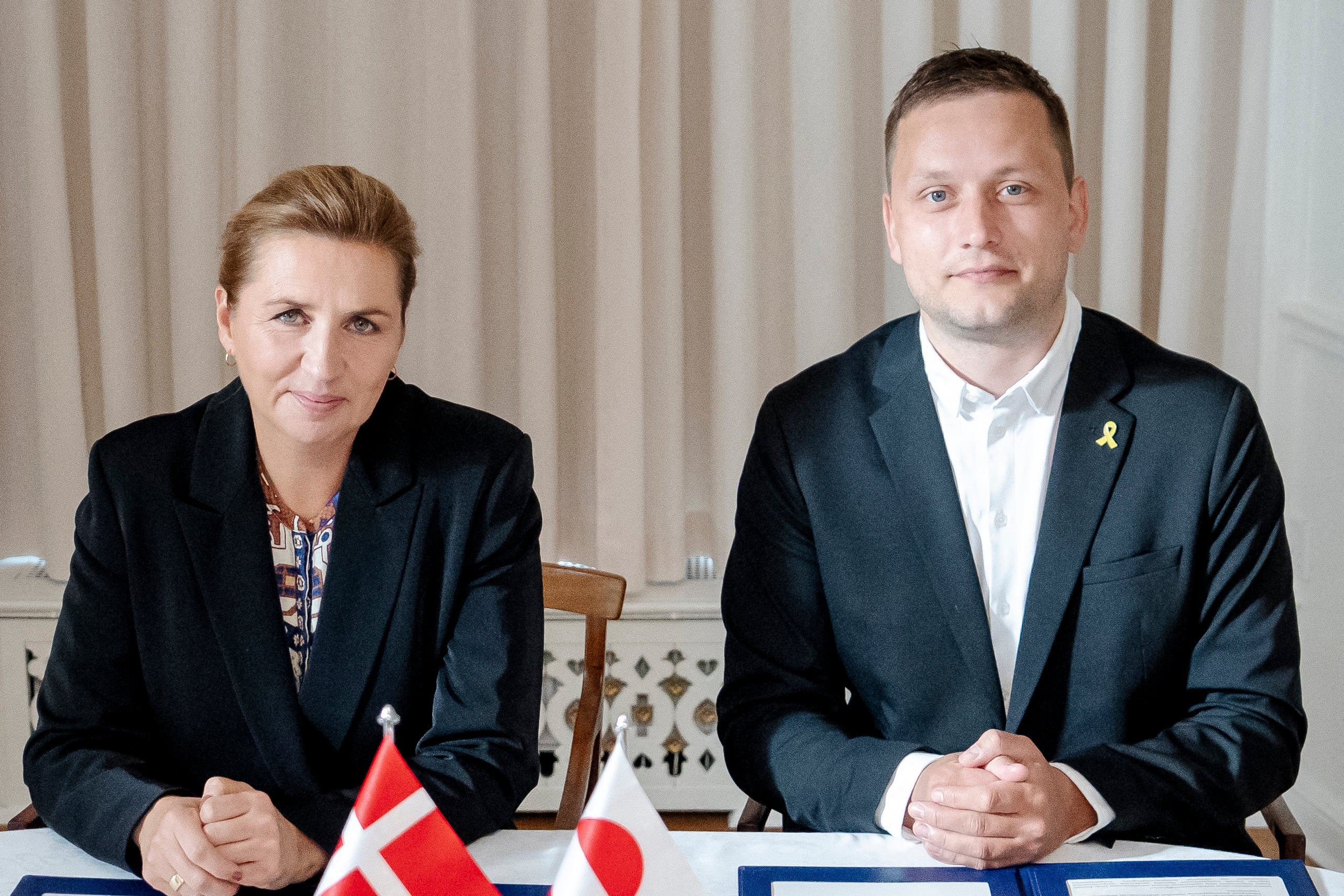
The current situation further fuels the ongoing internal debate regarding Greenland independence vs Danish rule. Many Greenlanders view the recent US overtures as an unwelcome distraction from their long-term goal of full independence from Denmark. While Denmark provides significant financial subsidies, there is a strong nationalist movement advocating for complete self-governance, seeing it as the natural progression of their self-rule journey. The desire to control their own destiny, manage their vast natural resources, and forge their own international relationships is a powerful aspiration that transcends the immediate challenges posed by external powers.
As of the latest Greenland US dispute update, while the immediate pressure from the Trump administration has receded, the underlying geopolitical tensions remain. The incident served as a stark reminder of Greenland’s vulnerability to global power plays and its critical role in Arctic strategy. International bodies and allies continue to monitor the situation, with a renewed focus on ensuring the self-determination of the Greenlandic people. The episode has also spurred greater internal discussions within Greenland about accelerating its path towards full independence, recognizing the need to solidify its position on the world stage amidst competing interests.
Looking to the near future, the Greenland independence prospects 2026 appear to be gaining momentum, albeit with significant hurdles. The economic viability of independence heavily relies on the successful and sustainable exploitation of its natural resources, which would reduce its financial dependence on Denmark. While the path is complex, involving intricate negotiations and international support, the recent events have undeniably galvanized public opinion and political will towards greater autonomy. The global spotlight has amplified their voice, positioning Greenland’s journey towards sovereignty as a key narrative in future Arctic geopolitics.
Ultimately, the persistent question of Why US wants Greenland unravels a complex tapestry of geopolitical strategy, economic ambition, and indigenous rights. Despite the allure of its strategic location and abundant natural resources, the resounding message from Greenland and its Inuit people is clear: their land is not for sale, and their future will be determined by them alone. This steadfast commitment to self-determination serves as a powerful counterpoint to external pressures, ensuring that Greenland remains a vital, sovereign entity in the evolving global landscape.