The ACLU lawsuit against ICE Minnesota stands as a critical legal challenge against alleged unconstitutional actions by federal agents during protests in the state. This significant litigation, initiated by the American Civil Liberties Union, seeks to halt what plaintiffs describe as terrifying violence and unwarranted aggression from federal law enforcement. Filed on behalf of Minneapolis residents, the lawsuit highlights a pattern of alleged misconduct, including the use of chemical sprays, rubber bullets, and threats of arrest against individuals exercising their constitutional rights to protest.
This legal battle intensified following the tragic killing of Renee Good by a federal agent, an event that fueled widespread outrage and protests across Minnesota. Plaintiffs in the ACLU lawsuit against ICE assert that extraordinary circumstances, including Good’s death and subsequent aggressive confrontations, necessitate immediate judicial intervention to protect citizens from further harm. Their sworn statements detail disturbing encounters, such as officers firing pepper spray into moving vehicles and threatening legal observers.
What is the ACLU lawsuit against ICE in Minnesota? The ACLU lawsuit against ICE in Minnesota challenges alleged unconstitutional federal law enforcement actions, including excessive force, pepper spray use, and unlawful arrests against peaceful protesters. Filed on behalf of Minneapolis residents, it seeks judicial intervention to block further threats by federal agents after the fatal shooting of Renee Good.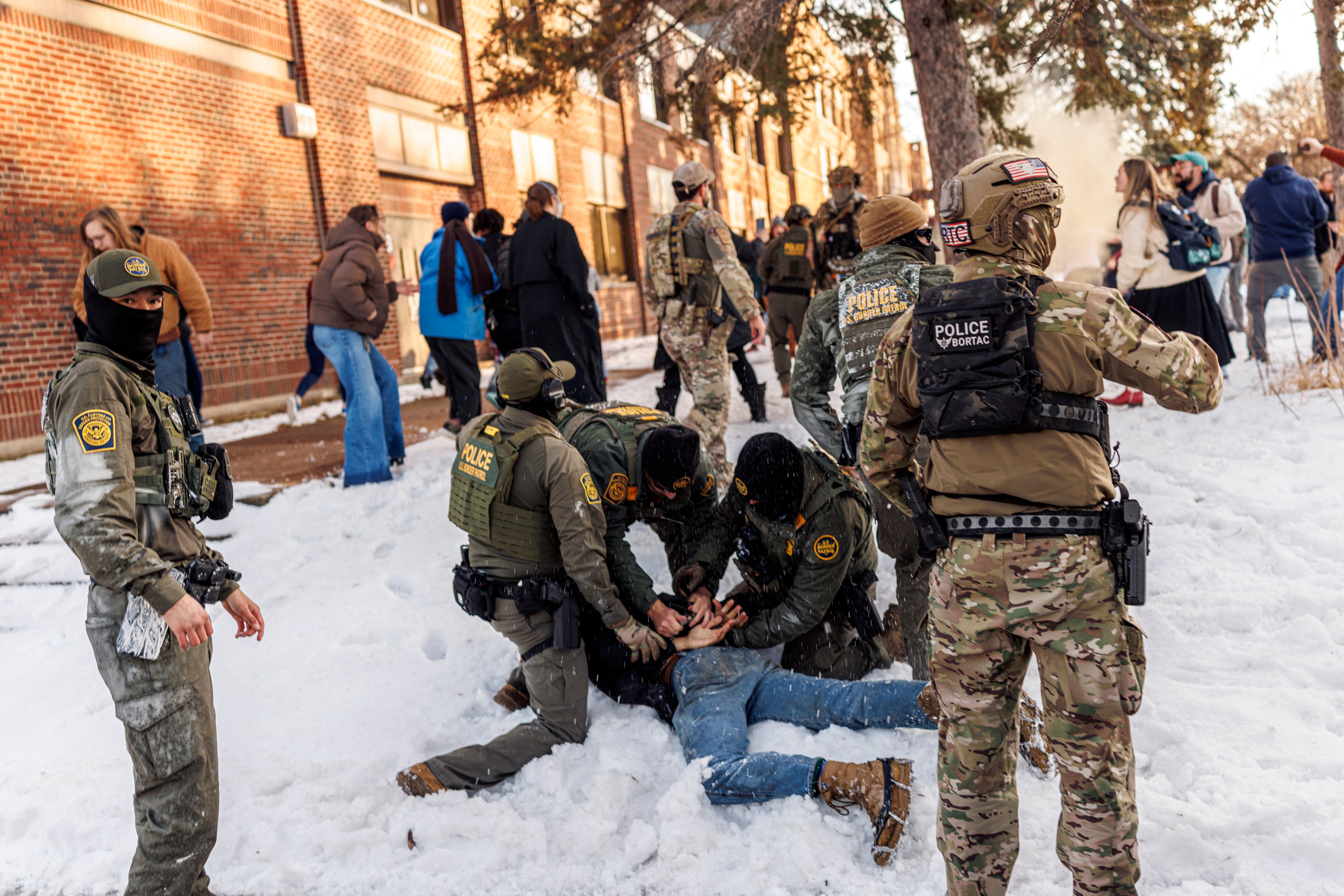
The lawsuit specifically outlines instances where federal officers allegedly threatened to break car windows and made unfounded arrests, particularly targeting individuals documenting the events. One plaintiff described an incident where masked agents in tactical gear surrounded her car, threatening arrest for merely following their vehicle. Such accounts underpin the core allegations of the federal agents vs local police powers overreach and a disregard for civil liberties.
The pattern of behavior described by plaintiffs paints a grim picture of federal overreach, echoing concerns previously raised during the Trump administration’s surge of federal law enforcement into various states. The alleged actions include agents tackling individuals without verifying their identity and joking about their lucky escape due to being recorded, underscoring the importance of documentation during protests.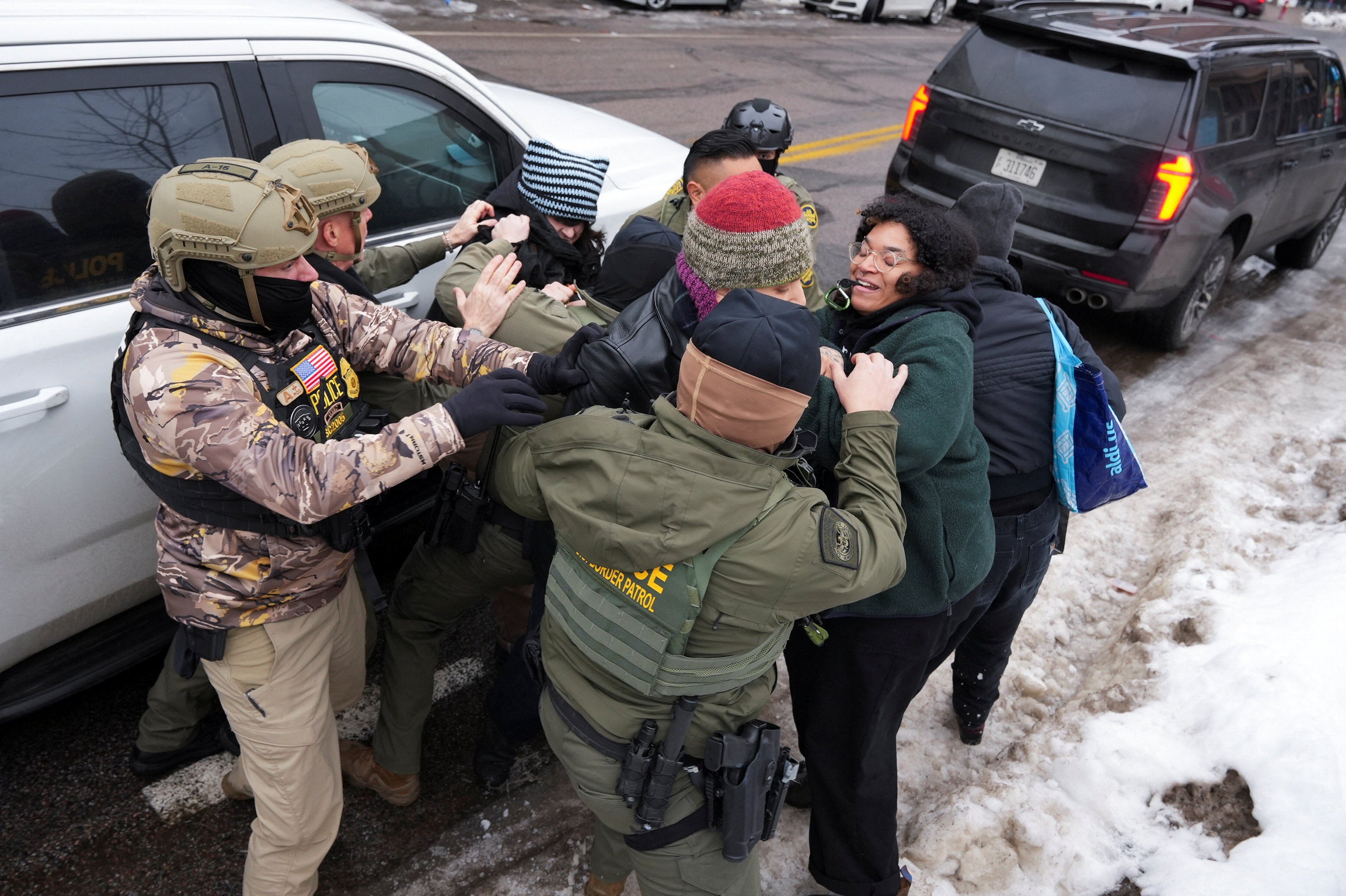
Beyond individual incidents, the lawsuit draws attention to the broader context of federal operations in Minnesota. The Twin Cities are home to a large Somali American community, and while the administration cited fraud cases to justify a mass deportation campaign, critics argue these actions disproportionately target and intimidate communities, leading to terms like “ICE protest guide Minnesota” becoming relevant as citizens seek to understand their rights.
This legal challenge mirrors a similar case in Chicago, where a federal judge banned authorities from using tear gas and other riot weapons against protesters. That ruling was based on video evidence and testimony revealing behavior that “shocks the conscience,” providing a precedent for the ACLU vs ICE legal battles that are becoming more common across the nation. Understanding the implications of the Renee Good killing explained through these legal lens is crucial.
The aggressive stance of federal agents, particularly in the aftermath of Renee Good’s death, has been widely condemned by local officials, including Minneapolis Mayor Jacob Frey. His public demand for ICE to leave the city highlights the deep chasm between local governance and federal enforcement tactics, especially when federal actions appear to contradict witness accounts and video evidence.
The plaintiffs’ attorneys emphasize that these Minnesotans are peacefully exercising their constitutional rights, yet they are met with “unconstitutional and terrifying violence.” This assertion forms the bedrock of the ACLU legal challenges 2026 and other civil rights efforts, aiming to hold federal agencies accountable for their conduct and ensure the protection of fundamental freedoms for all citizens.
The ongoing legal proceedings are vital for setting precedents regarding federal law enforcement conduct during protests and immigration operations. The outcome of the ACLU lawsuit against ICE Minnesota will significantly impact how future demonstrations are policed and the extent to which federal agents can operate without local oversight, ensuring that civil liberties remain protected.