


Recent reports reveal that former President Donald Trump is actively exploring plans for a significant expansion of the White House’s West Wing, a move that follows his previous controversial demolition of the East Wing to make way for a sprawling ballroom. This potential undertaking underscores a continued interest in reshaping the iconic presidential residence, sparking both curiosity and debate among architectural historians and political observers alike. The proposed “Upper West Wing” aims to enhance functionality and aesthetics, reflecting a grander vision for the Executive Mansion.
What is the proposed West Wing expansion? The proposed West Wing expansion, dubbed the ‘Upper West Wing’ by President Trump, aims to add a one-story addition to the existing structure. This project seeks to provide additional office space for aides or future first ladies, restoring symmetry to the central pavilion of the White House according to architects.
Discussions surrounding the West Wing expansion suggest a desire to create more functional spaces within the heart of presidential operations. Architects involved in the preliminary stages have indicated that the addition would be carefully integrated into the existing structure, primarily focusing on the colonnade area to maintain historical integrity while providing much-needed room. This initiative is part of a broader consideration of how the White House’s physical infrastructure can best serve the demands of a modern presidency.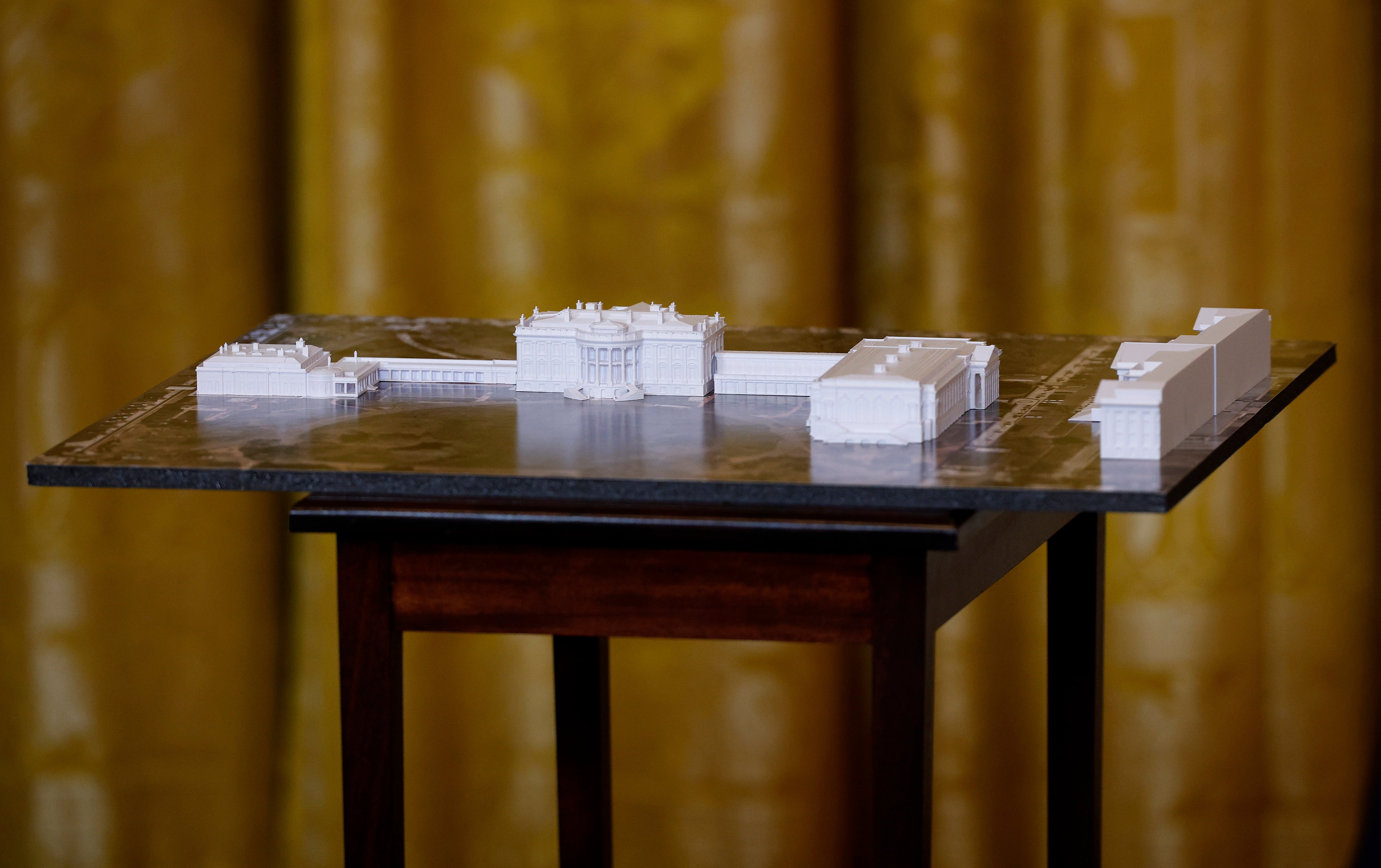
This latest proposal follows the ambitious project to construct a ballroom where the East Wing once stood. The East Wing, traditionally housing offices for the First Lady and her staff, was reportedly cleared to accommodate a lavish event space estimated to cost hundreds of millions of dollars. The scale of this ballroom project, designed to match the height of the main White House building, highlights a consistent theme in Trump’s approach to architectural endeavors.
The history of White House renovations explained reveals a long tradition of presidents adapting the residence to their needs, from Thomas Jefferson adding terraces to Theodore Roosevelt creating the original West Wing. However, the scope and nature of Trump’s proposed changes, particularly the substantial alterations to both the East Wing vs West Wing White House structures, represent a distinct approach to presidential legacy and design. These plans often involve intricate negotiations with national planning commissions.
Beyond the White House itself, Donald Trump White House update discussions have frequently included other ambitious urban development concepts for Washington, D.C. Past suggestions have ranged from replacing the bricks in Lafayette Park with granite to renovating Washington Dulles International Airport and even constructing a triumphal arch near the Potomac River. These ideas collectively paint a picture of a presidency with a keen eye for monumental construction.
Previous significant alterations during his term included paving over the historic Rose Garden, installing two towering flag poles on the lawn, and extensively decorating the Oval Office with numerous gold furnishings. These changes, alongside the current white house expansion plans guide, underscore a consistent pattern of personalizing the presidential spaces and leaving a distinct architectural mark on the nation’s capital. The implications of these changes are often debated by historians and preservationists.
The West Wing, a critical hub for the President and his senior staff, is where many pivotal decisions are made. Expanding this area would undoubtedly impact the daily operations and security protocols of the presidency. The architect Shalom Baranes, who has been involved in the ballroom project, has publicly mentioned the potential for this future addition, emphasizing the goal of reinstating symmetry along the central pavilion of the White House.
Comparing trump white house vs biden white house changes reveals differing philosophies on presidential real estate. While other administrations have made cosmetic or functional updates, the scale of Trump’s proposals for both wings stands out. These projects are not merely about aesthetics but reflect strategic choices about space, symbolism, and presidential authority.
The ongoing discussions about these projects, including why is trump expanding the white house, suggest that the debate over presidential authority and the preservation of national landmarks will continue to be a prominent feature of the political landscape. The white house expansion plans 2026, if realized, would represent a significant alteration to one of America’s most recognizable buildings, leaving an indelible mark for generations to come. This aligns with a broader vision for the trump presidency white house 2026, aiming to solidify a particular aesthetic and functional standard.
Ultimately, the future of these proposed changes, particularly the Trump White House expansion plans, remains subject to various approvals and public discourse. The ambition behind these designs, from the East Wing ballroom to the potential “Upper West Wing,” reflects a profound desire to reshape the physical environment of presidential power, ensuring that these structures continue to evolve with the times while respecting their profound historical significance.








