The ongoing controversy surrounding CBS News boss Bari Weiss and her reported decision to halt two critical 60 Minutes segments has ignited a significant debate within journalistic circles. These Bari Weiss 60 Minutes decisions, which involve stories scrutinizing Donald Trump’s policies, have led to accusations of corporate censorship and a palpable internal uproar. The unfolding events raise crucial questions about editorial independence and the integrity of investigative reporting at one of America’s most venerable news programs. This article explores the details of the shelved reports and the broader implications for media ethics.
What is Bari Weiss known for? Bari Weiss, appointed as CBS News editor-in-chief last year, rose to prominence as a writer and editor often associated with critiques of perceived ideological excesses in modern media and culture. Her tenure at CBS News has been marked by a stated mission to restore trust in network news by ensuring content is “comprehensive and fair.” However, this approach has sometimes clashed with the network’s veteran journalists, leading to friction and accusations of undue editorial influence over sensitive political reporting.
One of the segments reportedly put on hold was a piece by veteran journalist Anderson Cooper, which had been months in the making. This particular story focused on the Trump administration’s controversial decision to accept South African refugees. The report was viewed by producers in December, after which Weiss provided extensive editorial feedback. Sources close to the production indicated the story was “all but guaranteed to provoke Trump” and underwent an “abnormal” level of review, ultimately remaining unaired despite its advanced stage.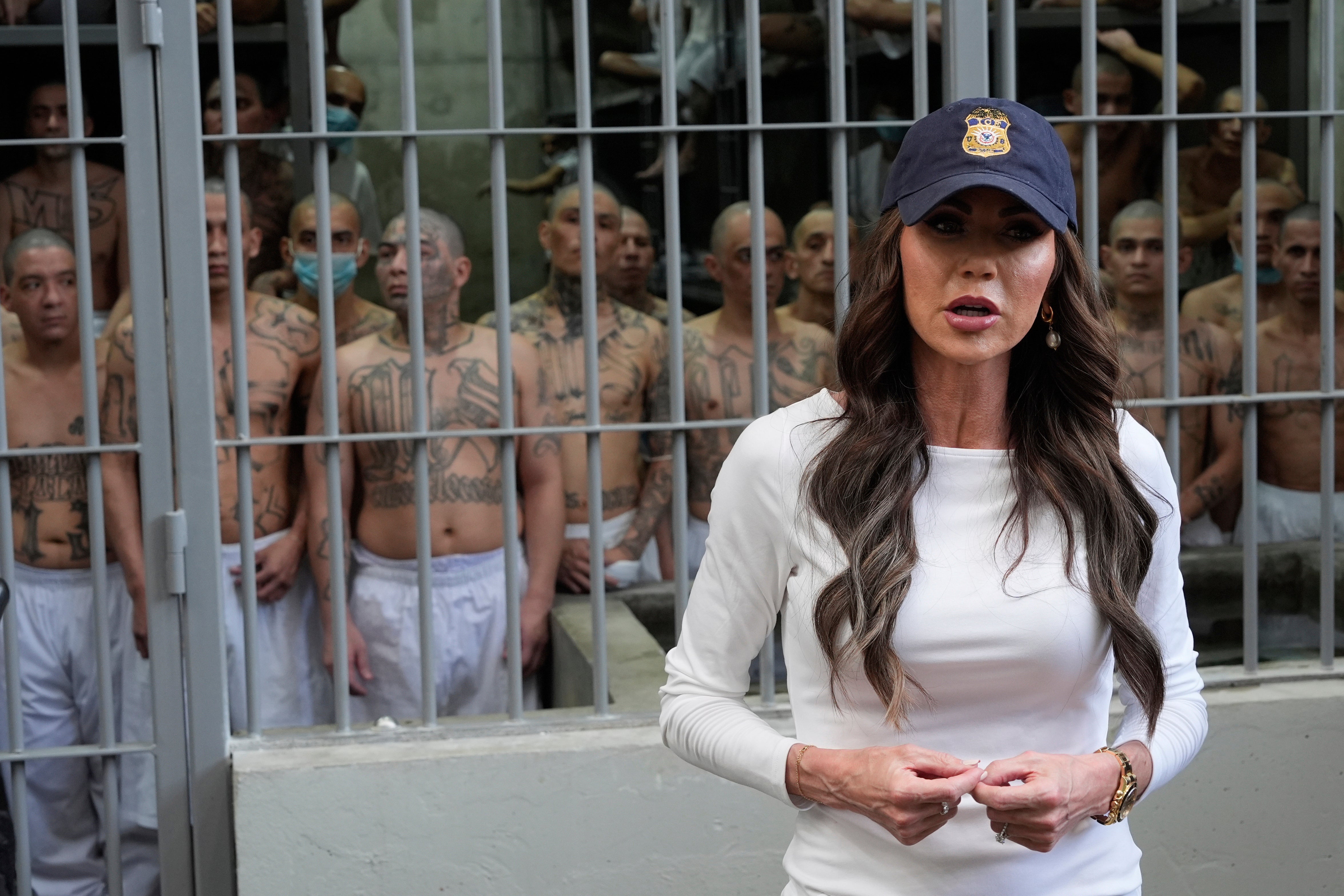
Another significant 60 Minutes pulled segment involved a report on the mistreatment of migrants sent by the United States to CECOT, a prison in El Salvador. This 13-minute clip, produced by Sharyn Alfonsi, was also set for broadcast in December before its withdrawal. Alfonsi herself expressed strong concerns in a leaked email, suggesting that the real reason for the story being axed was “corporate censorship,” directly challenging Weiss’s stated editorial justifications.
What is the Bari Weiss 60 Minutes controversy? The controversy centers on CBS News boss Bari Weiss reportedly shelving two investigative 60 Minutes segments critical of Donald Trump’s policies. These decisions, involving stories on South African refugees and migrant mistreatment, have led to accusations of corporate censorship and significant internal backlash, raising concerns about journalistic integrity within the network.
Why are 60 Minutes stories censored? Weiss attempted to justify her decisions in an email to staff, arguing that holding certain pieces was necessary to “win back” the trust of Americans disillusioned by network news. She maintained that sometimes it means “holding a piece about an important subject to make sure it is comprehensive and fair.” This perspective frames her actions as a diligent exercise of Bari Weiss editorial control vs journalistic integrity, aiming for balanced reporting, yet it has been widely interpreted by critics as a form of content suppression.
The internal reaction to these decisions has been severe. Sources within the broadcaster described staff as being ready to “revolt” over the scandal, with one person reportedly calling it a “holy fing dumpster fire.” The unaired El Salvador segment later leaked online, revealing harrowing accounts from detainees, including a Venezuelan college student who sought asylum in America and was allegedly told by a prison director, “Welcome to hell. I’ll make sure you’ll never leave.”
The broader implications of these events extend beyond CBS News, touching upon media bias trends 2026 and the future of investigative journalism. The tension between editorial oversight and journalistic freedom is a perennial challenge, but these high-profile incidents highlight the acute pressures faced by news organizations in a politically charged environment. The question of how to ensure robust, independent reporting while navigating corporate interests and public trust remains paramount.
The 60 Minutes editorial process explained usually involves rigorous fact-checking and multiple layers of review, but the level of scrutiny applied to these specific stories appears to have been exceptional. This raises questions about whether the review process became a tool for preventing politically inconvenient narratives from reaching the public, rather than solely ensuring accuracy and fairness.
Donald Trump’s policies, particularly regarding immigration and refugees, have consistently been a source of contention. His administration’s stance on prioritizing certain visa claims, such as those of white South Africans, often drew significant criticism. The decision to halt stories that directly challenged these policies feeds into the ongoing Trump immigration policy controversy news, further fueling debates about media’s role in holding power accountable.
Looking ahead, the demand for best investigative reporting 2026 will likely continue to grow, as will public scrutiny of media organizations. The events at CBS News under Bari Weiss’s leadership serve as a cautionary tale for the industry, emphasizing the delicate balance required to maintain credibility and trust. The continued fallout from these Bari Weiss 60 Minutes decisions will undoubtedly shape future discussions around editorial independence and the role of news organizations in a polarized world.



![[post_title]](https://samony.com.ng/wp-content/uploads/2026/01/1767973314_Carlos-Alcaraz-vs-Jannik-Sinner-exhibition-Start-time-and-appearance-300x200.jpg?lm=696121C6 "Alcaraz vs Sinner South Korea Exhibition: Why It Matters")