


The latest
Iran protests news reveals a nation in turmoil, with millions taking to the streets to demand regime change amidst severe economic hardship. Iran’s supreme leader, Ayatollah Ali Khamenei, has vehemently insisted the Islamic Republic will “not back down,” publicly blaming former US President Donald Trump for instigating the widespread unrest. These demonstrations, marked by violent clashes and a nationwide internet blackout, signify a critical juncture for the country’s leadership and its struggling populace.
What is happening in Iran protests? The country is experiencing widespread demonstrations against worsening economic conditions and government policies, leading to violent clashes, arrests, and a severe internet blackout. Millions are demanding regime change, while the supreme leader blames foreign adversaries for the unrest.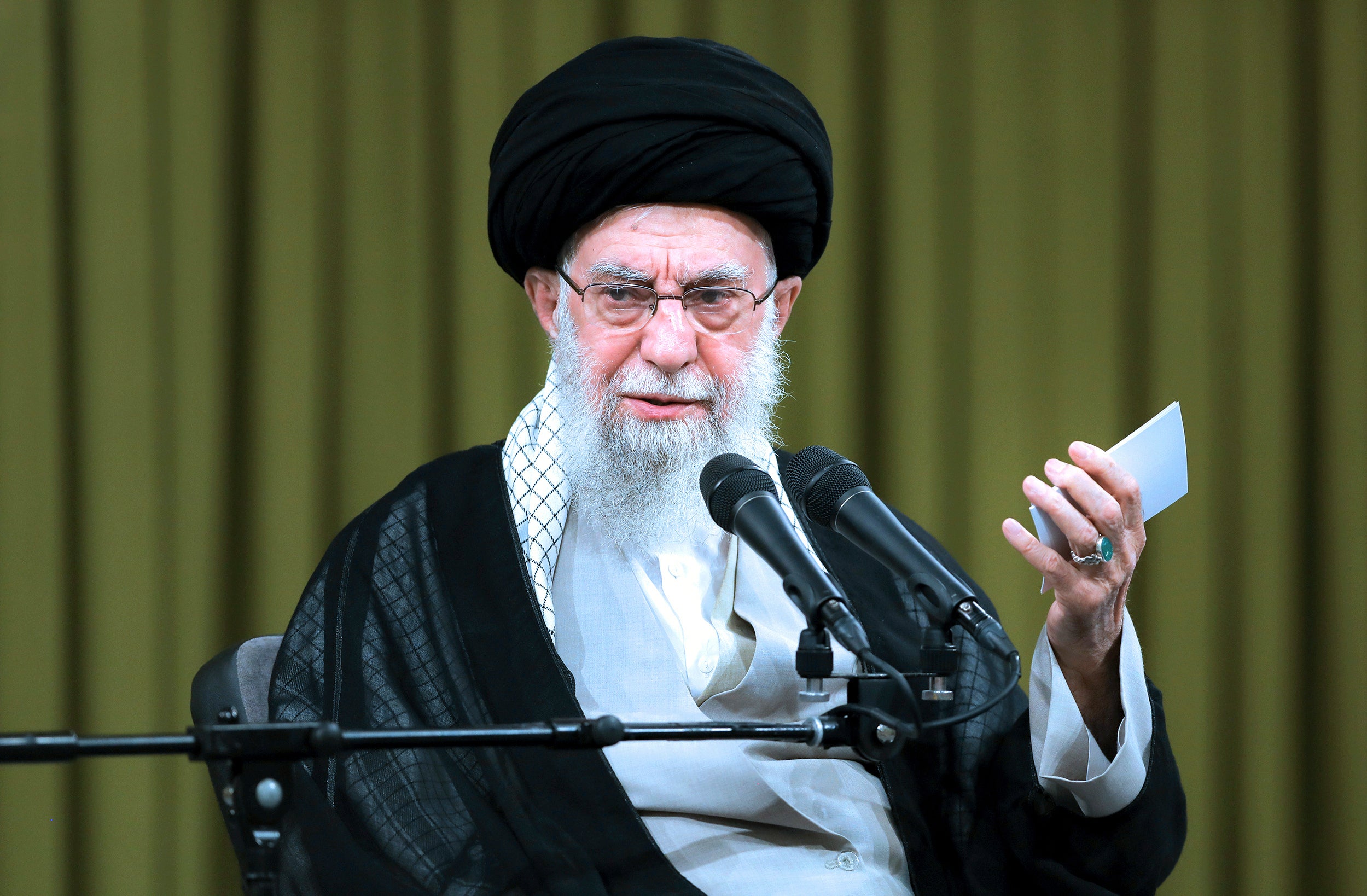
Why are Iran protests escalating across the nation? The current wave of unrest is fueled by a confluence of factors, primarily a deepening economic crisis exacerbated by international sanctions and high inflation. Public discontent has reached a boiling point, with citizens expressing profound frustration over the government’s handling of the economy and perceived political repression, leading to widespread calls for fundamental change.
The Iran protests vs government response highlights a stark contrast in narratives and actions. While demonstrators demand basic rights and economic stability, the Iranian government, under Ayatollah Ali Khamenei, has labeled protesters as “saboteurs” and “terrorist agents” working for foreign powers. This posture is reinforced by a heavy-handed crackdown, including mass arrests and the imposition of a nationwide internet blackout to curb communication and organization among activists..jpg)
The Iran economic crisis explained: The nation’s financial woes have significantly worsened since September, following the United Nations’ reimposition of sanctions linked to its atomic program. This has plunged Iran’s rial currency into freefall, now exchanging at more than 1.4 million to the dollar, and contributed to an annual inflation rate of 40 percent, making daily life increasingly difficult for ordinary citizens.
When comparing the Iran economy vs global sanctions, the impact is undeniably severe. The cumulative effect of international restrictions has crippled key sectors, limited trade, and isolated Iran from the global financial system. This economic pressure is a major catalyst for the current unrest, as the population struggles with the direct consequences of diminished purchasing power and scarcity.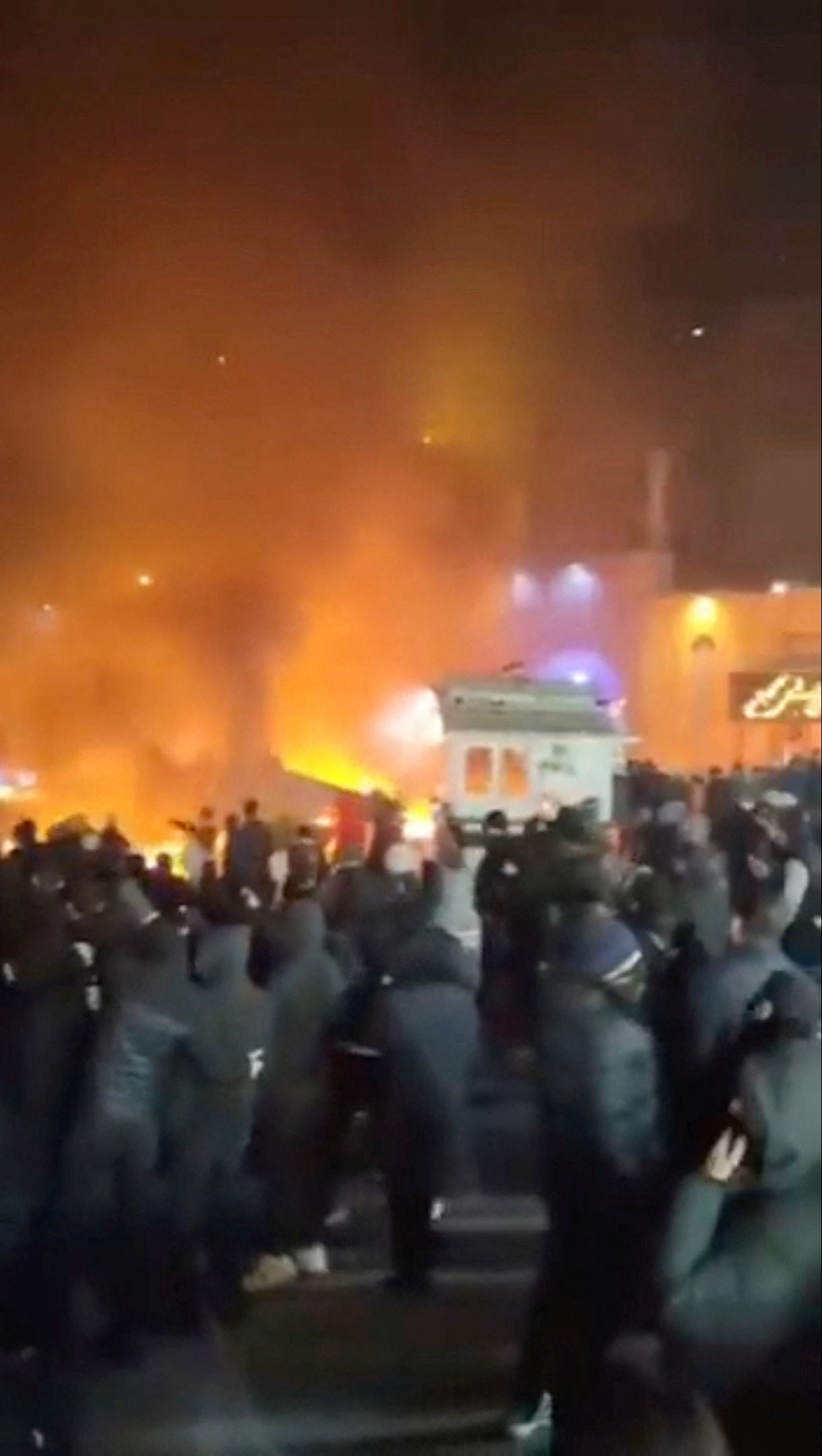
The latest Khamenei news today confirms his unyielding stance, as he delivered his first public address since the protests began. He reiterated that the Islamic Republic would not tolerate “mercenaries working for foreign powers” and called former President Trump “arrogant,” advising him to focus on problems within his own country. This defiant rhetoric underscores the regime’s determination to resist any perceived external or internal pressures for change.
The Iran internet blackout update reveals a concerted effort by authorities to control information flow. Internet access has been severely restricted or completely cut off in many areas, making it challenging for both local activists to organize and for international observers to gauge the true scale and intensity of the demonstrations. This tactic is a clear indication of the government’s strategy to suppress dissent by limiting communication channels.
For anyone seeking an Iran protests guide for beginners, understanding the context requires acknowledging the long history of social and political grievances within the country. These protests are not isolated incidents but rather a continuation of public outcry against economic mismanagement, corruption, and a lack of political freedoms, often manifesting in cycles of unrest met with state repression.
An Iran protests 2026 analysis suggests that the underlying issues driving the current unrest are unlikely to dissipate quickly. Without significant reforms or a substantial shift in economic policy, the potential for future protests and continued social instability remains high. The regime’s ability to quell dissent through force and internet blackouts may offer temporary relief but does not address the root causes of public frustration.
The Iran economic forecast 2026 indicates a challenging path ahead. With ongoing international sanctions and a volatile global political landscape, significant economic recovery appears distant. The nation’s reliance on oil exports, coupled with internal structural issues, continues to make its economy vulnerable to external pressures and domestic instability, perpetuating the cycle of hardship.
The ongoing Iran protests news underscores the severe challenges facing the Islamic Republic. From widespread public discontent and violent clashes to a crippling economic crisis and international condemnation, the country finds itself at a critical juncture. The regime’s resolve to suppress dissent clashes directly with the population’s growing demands for change, setting the stage for continued volatility and uncertainty in the coming years.

![Allwell Ademola's brother seeks Iyabo Ojo's forgiveness at sister's burial [VIDEO]](https://samony.com.ng/wp-content/uploads/2026/01/Allwell-Ademolas-brother-seeks-Iyabo-Ojos-forgiveness-at-sisters-burial-300x180.jpg?lm=6960EFA1 "Breaking: Iyabo Ojo Allwell Ademola News: The Truth Behind The Apology")

![[post_title]](https://samony.com.ng/wp-content/uploads/2026/01/1767959564_Quartararo-reveals-moment-that-felt-better-than-2021-MotoGP-title-300x200.jpg?lm=6960EC0E "Why Fabio Quartararo’s Pole Felt Better Than His MotoGP Title")
![[post_title]](https://samony.com.ng/wp-content/uploads/2026/01/1767957639_Fabio-Quartararo-reveals-MotoGP-moment-that-felt-better-than-2021-300x200.jpg?lm=6960E489 "Why Fabio Quartararo’s MotoGP Moment Felt Better Than a Title Win")



![Allwell Ademola's brother seeks Iyabo Ojo's forgiveness at sister's burial [VIDEO]](https://samony.com.ng/wp-content/uploads/2026/01/Allwell-Ademolas-brother-seeks-Iyabo-Ojos-forgiveness-at-sisters-burial-1024x614.jpg?lm=6960EFA1 "Breaking: Iyabo Ojo Allwell Ademola News: The Truth Behind The Apology")

