


A major Minneapolis ICE shooting update has ignited widespread protests across several US cities, following the fatal shooting of a woman by an ICE agent this week. Public outrage is escalating, with demonstrators clashing with federal law enforcement officials and demanding accountability. This incident has brought to the forefront critical questions about federal jurisdiction and the rights of citizens during such encounters, prompting calls for independent investigations and transparency from authorities.
Protest rallies have erupted in numerous locations, including Austin, Boston, and New York City, mirroring the intense demonstrations seen in Minneapolis. Dramatic images show federal agents detaining and pinning demonstrators to the ground as they attempt to manage the escalating civil unrest. These protests underscore a deep-seated public demand for justice and a thorough examination of the events that led to the shooting, highlighting concerns over the use of force by federal agents in local communities.
What is ICE’s jurisdiction in local investigations? The answer is complex; while federal agencies like ICE operate under federal law, their actions within state boundaries often intersect with local statutes and public expectations for transparency. This jurisdictional overlap creates tension, particularly when state officials are excluded from investigating incidents involving federal agents, leading to public mistrust and demands for a clearer framework for inter-agency cooperation.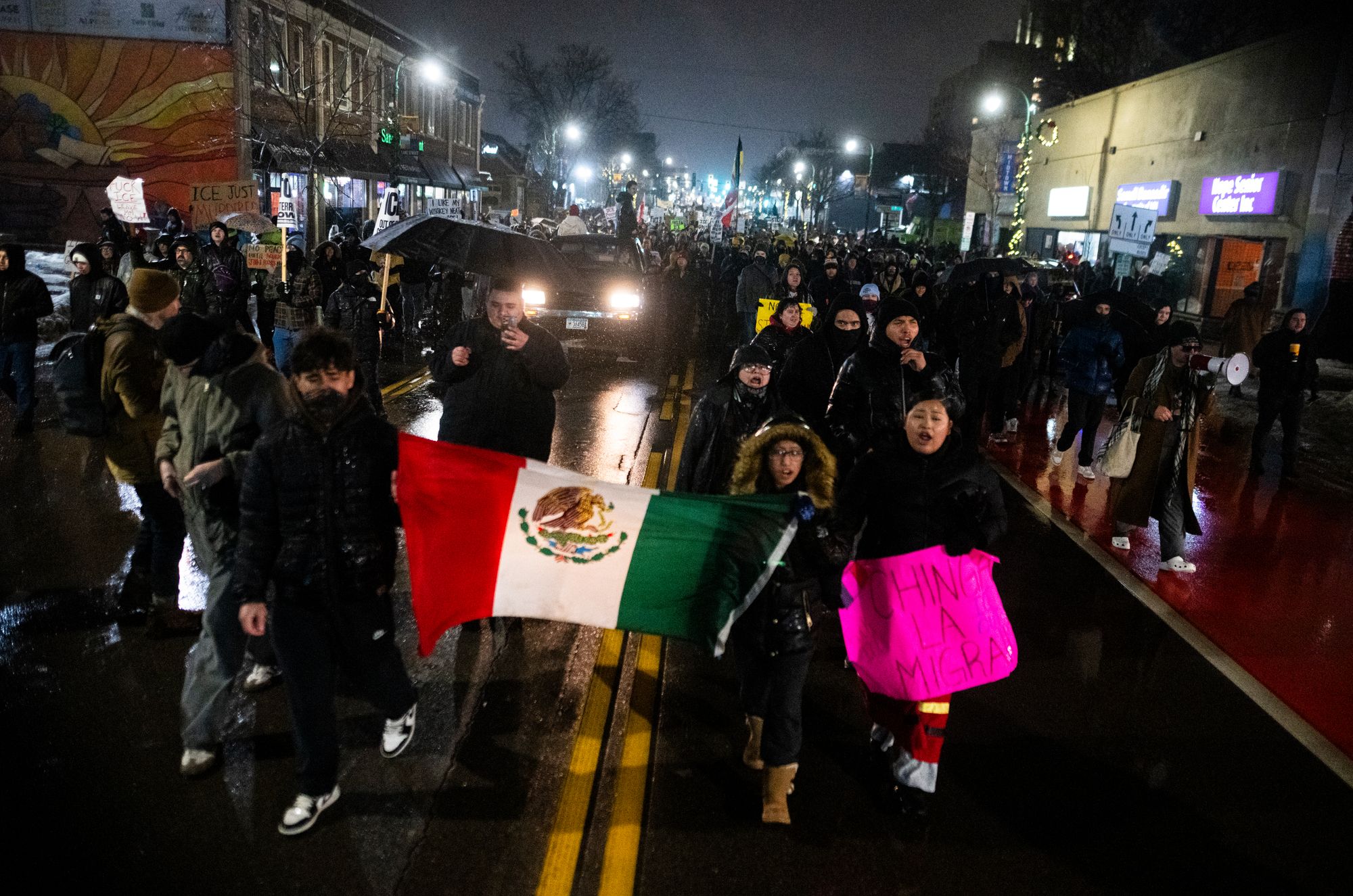
The controversy surrounding the investigation is a central point of contention, particularly regarding how to investigate federal agents. Minnesota state officials have strongly condemned the FBI for blocking their participation in the shooting inquiry, with the federal government asserting that Minnesota authorities have “no jurisdiction.” The state’s Bureau of Criminal Apprehension (BCA) initially agreed to a joint investigation with the FBI but was later denied access to crucial case materials and evidence, effectively ending any role for the state in determining if crimes were committed.
Governor Tim Walz has forcefully demanded state involvement, emphasizing that it would be “very difficult for Minnesotans” to accept an investigation excluding state oversight as fair. State senator Zaynab Mohamed conveyed the community’s outrage, noting that residents are not backing down and are calling for Immigration and Customs Enforcement to leave the state. She indicated that if federal authorities fail to conduct an honest inquiry, the state government might consider legal action to obtain case files, highlighting the ongoing tension in federal vs state investigation dynamics.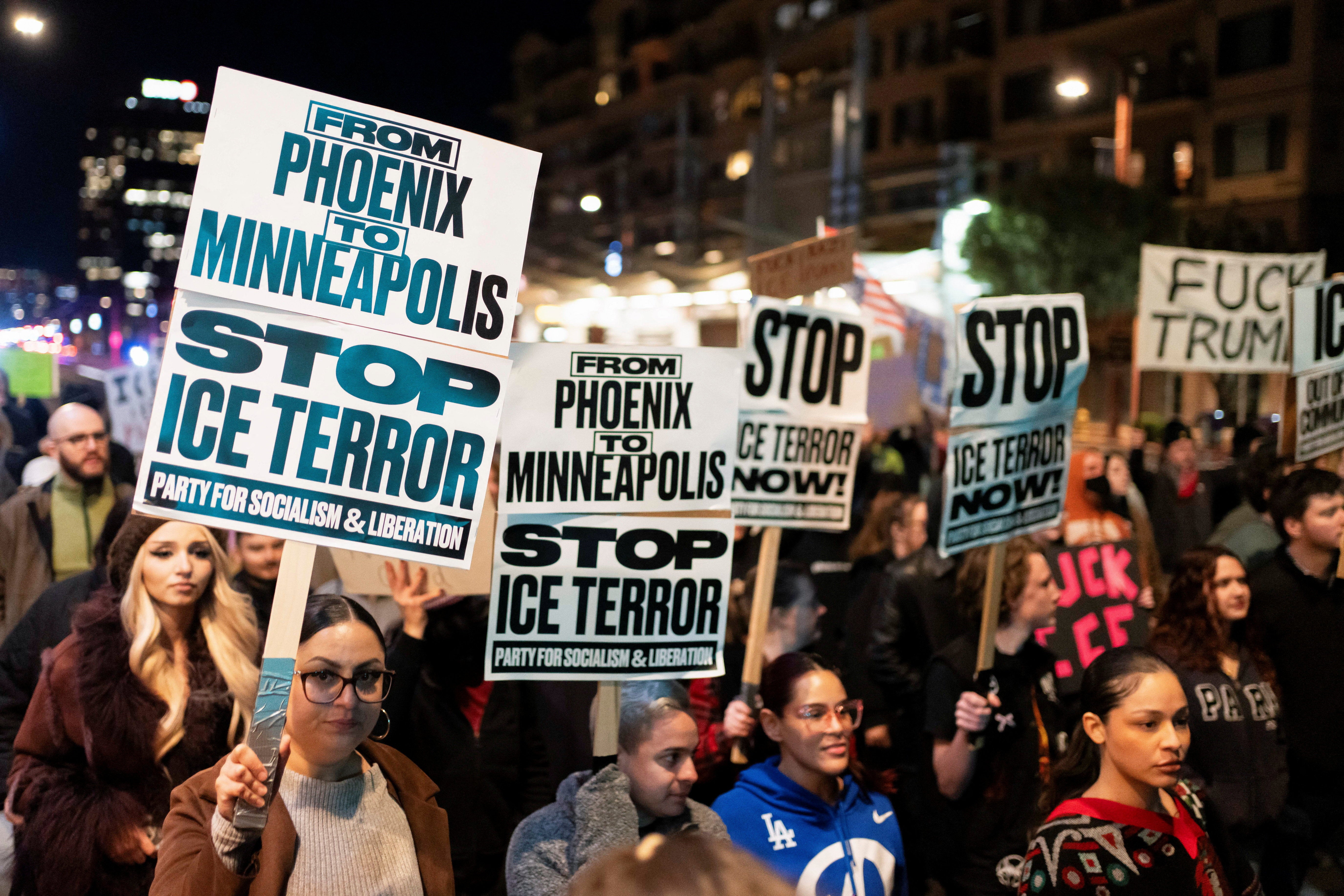
The ICE agent identified as Jonathan Ross, who shot Renee Nicole Good, has a significant background in law enforcement and military service. Reports indicate Ross was previously involved in an incident last year where his arm was trapped in a fleeing driver’s car, dragging him approximately 100 yards. This past event, where he suffered injuries and discharged a taser, has been cited by officials like Vice President JD Vance as evidence of the life-threatening situations ICE agents face, potentially influencing their response with extreme force. His prior experience could be a factor in understanding federal law enforcement tactics.
Local activist Michelle Gross, president of Community United Against Police Brutality, provided a first-hand account of Good’s actions, stating Good was participating in “neighborhood patrols” to monitor ICE operations. Gross asserted that federal officers ordered Good to clear away, and she was attempting to turn her car around when agents approached, with one opening fire as she was “trying to leave.” Gross disputes official assertions that Good was “stalking and impeding” agents’ work, arguing there was “absolutely no justification for deadly force” and that individuals were merely exercising their First Amendment right to videotape police, raising questions about protest rights vs public safety.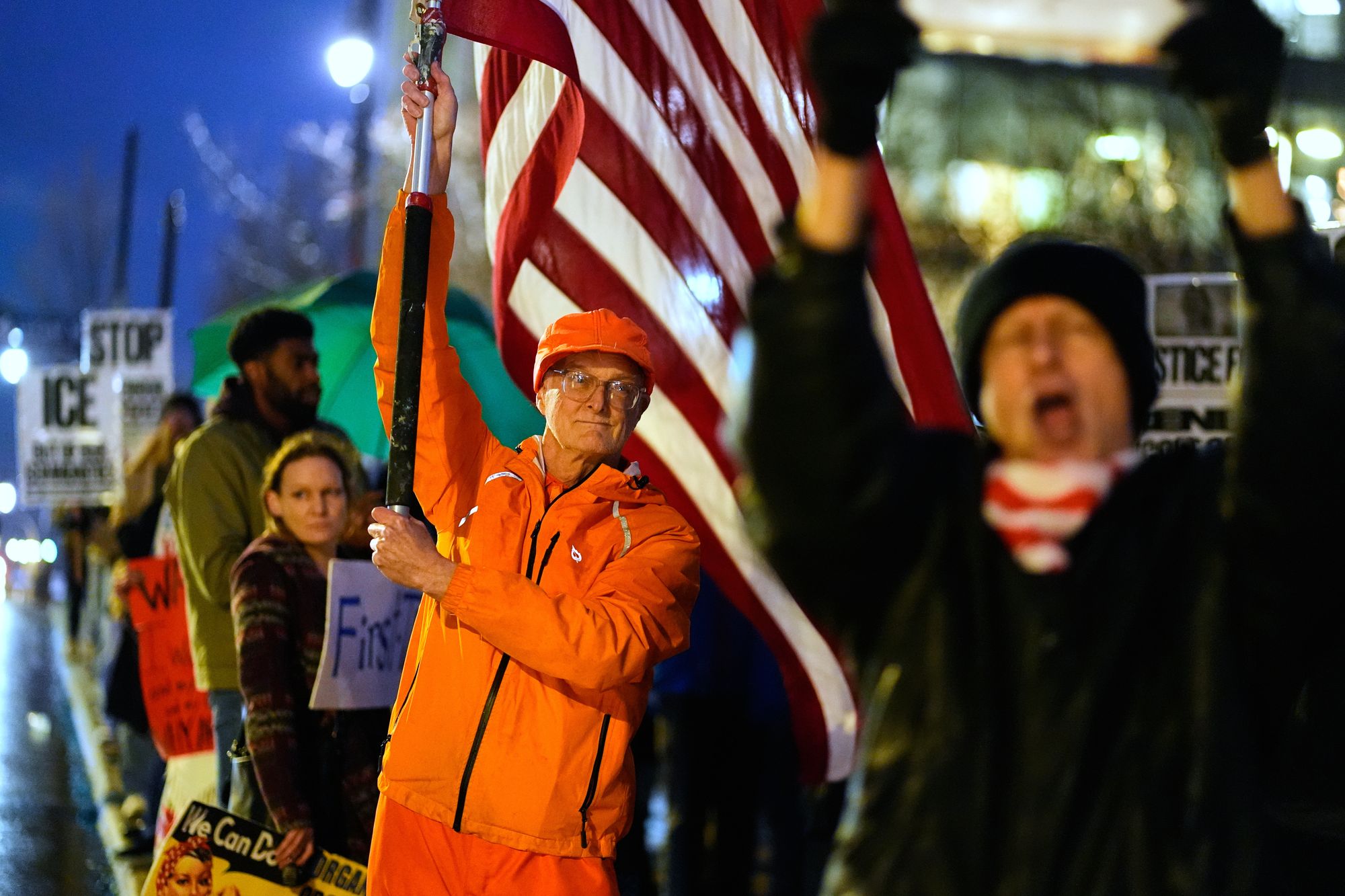
High-profile figures have weighed in on the unfolding events, further amplifying the public discourse. Jesse Ventura, former Minnesota governor, used the opportunity to criticize political figures, drawing parallels to past conflicts. Meanwhile, Vice President JD Vance’s comments regarding Agent Ross’s prior incident serve to frame the narrative around the dangers faced by federal agents. These statements contribute to the complex political backdrop against which the shooting and subsequent protests are taking place, influencing public perception and shaping the dialogue around accountability and law enforcement practices.
The incident has reignited urgent discussions surrounding police accountability laws 2026 and the need for comprehensive reform. Communities across the nation are seeking clearer protest guidelines 2026 that protect civil liberties while ensuring public order. The ongoing struggle for transparency in investigations, especially when federal agencies are involved, highlights a critical need for policy adjustments that foster trust between law enforcement and the public. This event serves as a stark reminder of the challenges in navigating federal authority within local contexts and the continuous demand for justice.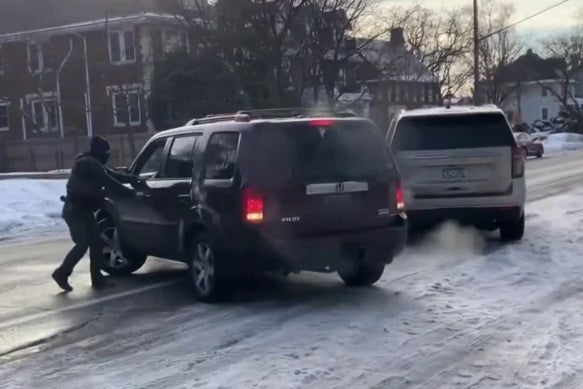
As the situation continues to unfold, a complete and transparent police brutality investigation guide is desperately needed to address the public’s concerns and restore faith in the justice system. The persistent calls for answers regarding the Renee Nicole Good news and the circumstances of the shooting demonstrate a community unwilling to accept opacity. The ongoing Minneapolis ICE shooting update remains a focal point for national debates on federal power, local autonomy, and the fundamental rights of citizens, emphasizing the critical importance of unbiased inquiry.









