


The political landscape in Rivers State has once again been thrust into a maelstrom of contention, with impeachment proceedings initiated against Governor Siminalayi Fubara and his deputy, Ngozi Odu. This latest development underscores the deep-seated tensions that have characterized governance in the oil-rich state. For anyone seeking to understand the complexities, the Rivers State political crisis explained involves a web of accusations, power struggles, and high-stakes maneuvering that has captivated national attention. The accusations, primarily gross misconduct, lay bare the fragile balance of power within the state’s political hierarchy.
At the heart of the matter lies a protracted feud between Governor Fubara and his predecessor, Nyesom Wike, now the Minister of the Federal Capital Territory. This rivalry has fueled much of the instability, often pitting factions of the state’s House of Assembly against each other. The initial signs of discord emerged shortly after Fubara assumed office, quickly escalating into open conflict that has since dominated headlines. Understanding the genesis of this personal and political clash is crucial to comprehending the current events.
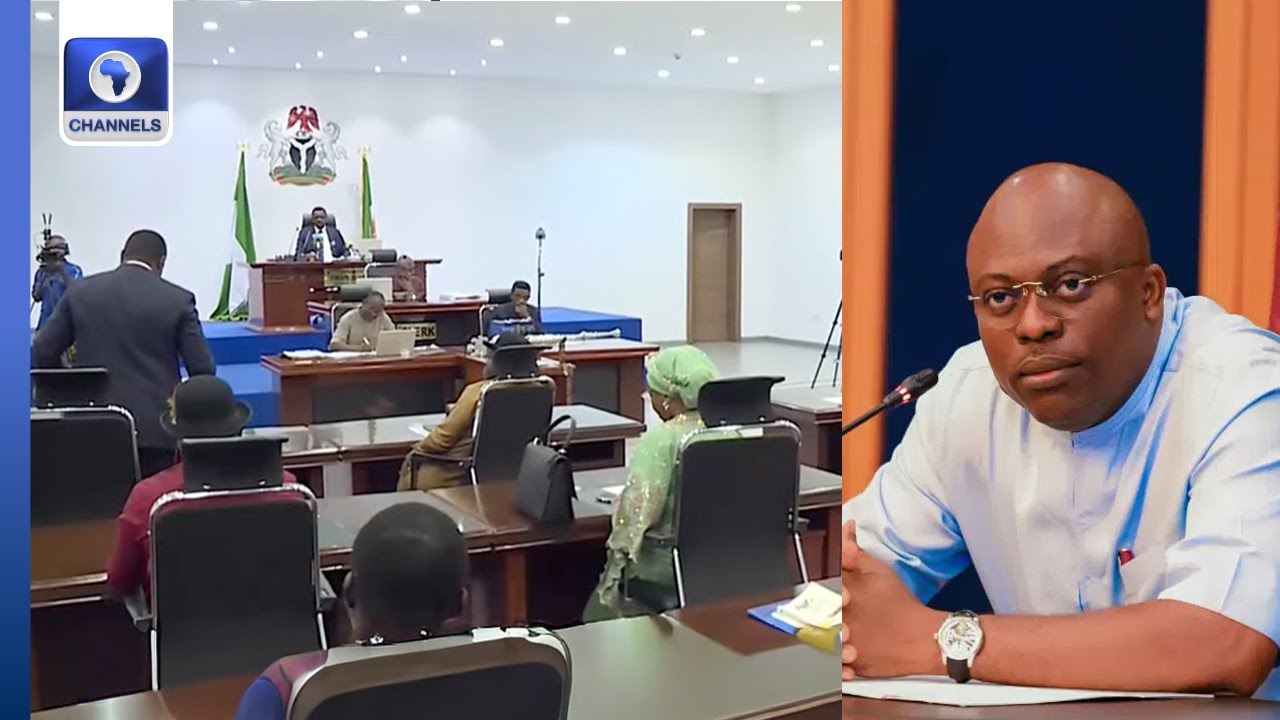
What is gross misconduct for a governor in Nigeria? Gross misconduct, under Section 188 of the Nigerian Constitution, refers to a grave violation of the constitution or a serious criminal offense. Allegations often include abuse of power, financial impropriety, or actions detrimental to the state, forming the basis for impeachment proceedings. In the case of Governor Fubara, the allegations leveled by the Rivers State House of Assembly are extensive and serious, ranging from the demolition of the Assembly Complex to extra-budgetary spending without legislative approval.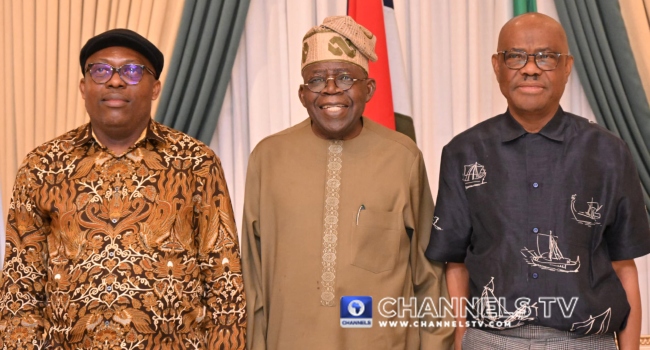
Specific accusations against Governor Fubara include withholding funds meant for the Assembly Service Commission and a refusal to obey the Supreme Court’s directives on the financial autonomy of the House. These charges, read out by the Majority Leader, Major Jack, and supported by twenty-six members of the Assembly, highlight a fundamental breakdown in the relationship between the executive and legislative arms of government. The deputy leader, Linda Stewart, also brought forward allegations against Deputy Governor Ngozi Odu, including reckless spending and obstructing the Assembly’s constitutional duties, further complicating the Siminalayi Fubara news update.
This is not the first attempt to remove Governor Fubara from office. A similar impeachment move was initiated in March 2025, following the public fallout between Fubara and Wike. Such repeated attempts illustrate the persistent nature of the power struggle and the determination of certain factions to assert dominance. The ongoing Rivers State political crisis explained reveals a pattern of political instability that has significant implications for the state’s governance and development trajectory.
The escalating tensions prompted an intervention from President Bola Tinubu, who declared a state of emergency, suspending Governor Fubara, his deputy, and the Rivers Assembly for six months. This unprecedented move, justified under Section 305(5) of the 1999 Constitution, aimed to douse the political inferno. The President’s intervention underscored the national significance of the crisis and the potential for wider ramifications if left unchecked. This period saw Vice Admiral Ibokette Ibas (Rtd) appointed as administrator, a temporary measure to restore order.
Following a period of presidential mediation, a reconciliatory move was brokered between Governor Fubara, Minister Wike, and the lawmakers. This led to Fubara’s return to office after six months. However, the apparent peace was short-lived, with Fubara subsequently defecting from the Peoples Democratic Party (PDP), under which he was elected in 2023, to the ruling All Progressives Congress (APC). This shift has profound implications for the APC vs PDP Rivers State dynamic, potentially reshaping the political landscape ahead of future elections.
The defection, which Governor Fubara stated was necessary to “fully identify” with President Tinubu, came days after several members of the Rivers State House of Assembly also joined the APC. This mass movement of political allegiances further complicates the political calculations and raises questions about party loyalty and political maneuvering in Nigeria. The intricate dance between the various political actors continues to define the Rivers State political forecast 2026 and beyond.
Analyzing the Fubara vs Wike political power struggle reveals a classic Nigerian political narrative of godfatherism and protégé independence. The ongoing saga in Rivers State serves as a stark reminder of the complexities inherent in Nigerian governance, where personal rivalries often intertwine with state affairs. The legal framework for a Nigerian governor impeachment guide is clear, yet its application often becomes entangled in political expediency and power plays, further exacerbating instability.
The current impeachment proceedings, therefore, represent another critical juncture in the Rivers State political crisis explained. The outcome will not only determine the immediate future of Governor Fubara and his deputy but also set precedents for political conduct and the rule of law within Nigeria. As the situation unfolds, observers will be keenly watching for any developments that could either stabilize or further destabilize the already volatile political climate in the state and the nation.
Understanding why is Rivers State politics so unstable requires a look beyond the surface-level events. It involves considering historical grievances, economic interests tied to oil wealth, and the fierce competition for political control. The present crisis is a culmination of these factors, making the Rivers State political crisis explained a complex narrative that requires careful and continuous attention. The impact on ordinary citizens and the state’s development remains a significant concern amidst the ongoing political battles.
As the impeachment proceedings against Governor Fubara and his deputy unfold, the spotlight remains firmly on Rivers State. The pursuit of political dominance and the intricate legal battles continue to define the current narrative. This complex episode highlights the challenges of governance and the enduring power struggles that often characterize Nigerian politics, providing a crucial Nigerian political stability analysis 2026 for those observing its future trajectory. The detailed account of events offers a comprehensive understanding of the ongoing Rivers State political crisis explained for all stakeholders involved.




![[post_title]](https://samony.com.ng/wp-content/uploads/2026/01/1767876708_Cristian-Romero-appears-to-criticise-Tottenham-hierarchy-in-edited-Instagram-1024x683.jpg?lm=695FA866 "Why is Tottenham Struggling? Key Insights from Player Criticism")

