


The recent Renee Good shooting update from Minneapolis has ignited a fierce debate, as a 37-year-old woman was fatally shot by an Immigration and Customs Enforcement (ICE) agent. This tragic incident, which occurred on a Minneapolis street, has led to starkly conflicting narratives from local, state, and federal officials, leaving the community in shock and demanding answers. The divergent accounts paint a picture of either a reckless use of force or an act of self-defense against a perceived threat, intensifying the scrutiny on federal law enforcement operations in the city.
The question on everyone’s mind is what happened Renee Good ICE Minneapolis? Video footage of the fateful morning depicts multiple masked officers confronting a red car on an icy road. An officer commanded the driver to exit the vehicle before attempting to open the door as the car began to reverse. A second officer, positioned in front, then discharged several shots into the moving vehicle, which subsequently crashed a short distance away, leading to Good’s death.
The answer is that Renee Good, a 37-year-old American citizen, was fatally shot by an ICE agent in Minneapolis after her car moved towards an officer during an encounter. While federal officials claim self-defense against “domestic terrorism,” local authorities condemn it as a reckless use of power.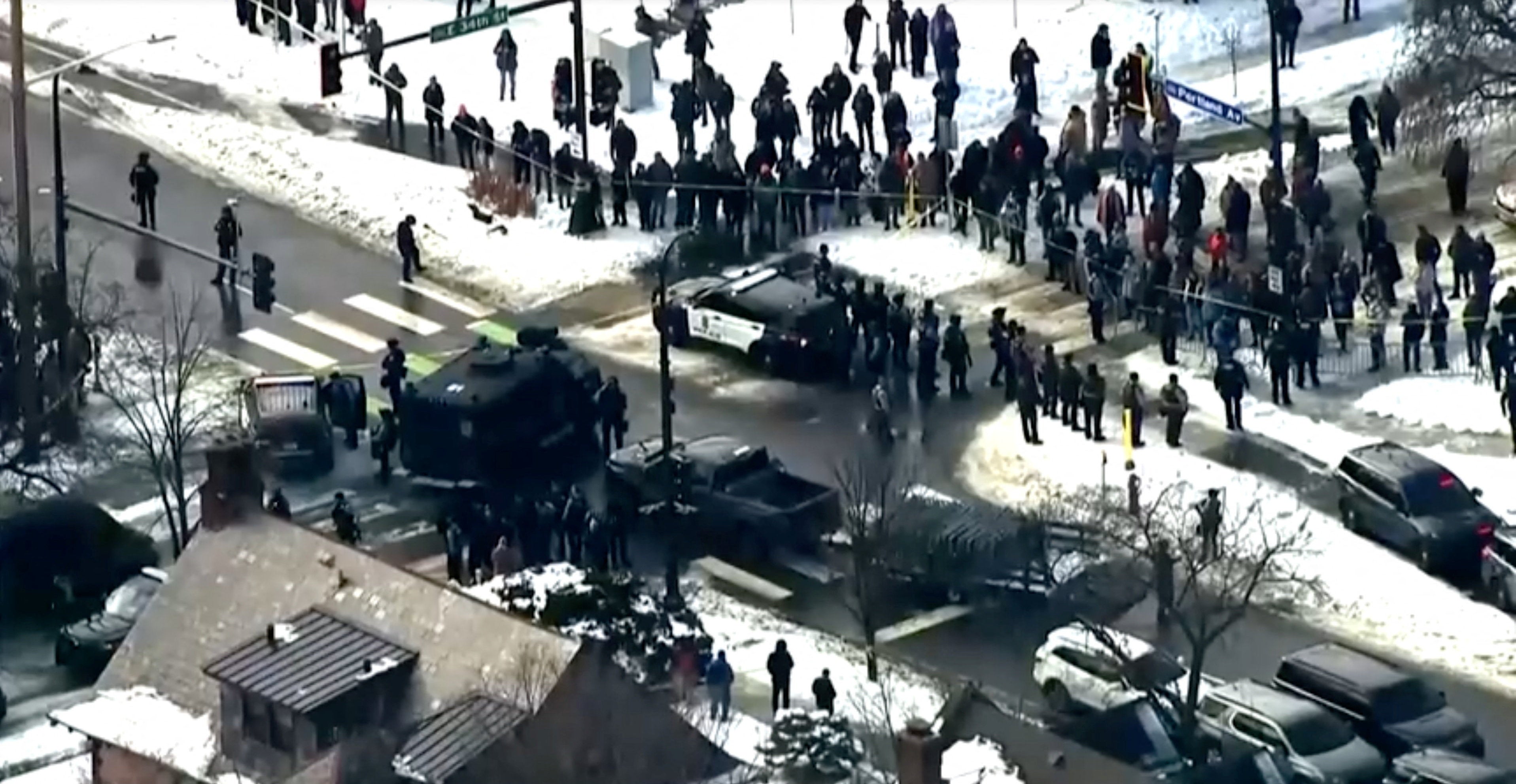
Good’s mother, Donna Ganger, identified her daughter, providing a crucial part of the Renee Good shooting incident explained. She described Renee as “one of the kindest people I’ve ever known,” full of compassion and love. Members of the Minneapolis City Council also confirmed her identity, noting she was an American citizen and an “observer” looking out for immigrant neighbors, not the subject of an immigration investigation. This detail directly contradicts initial federal narratives and deepens the controversy surrounding the agent’s actions.
Why did ICE shoot Renee Good? The core of the controversy lies in the starkly opposing accounts, framing the ICE shooting self defense vs reckless use of force. Officials from the Trump administration quickly labeled the shooting an act of self-defense, alleging the victim engaged in “domestic terrorism” by weaponizing her vehicle. Tricia McLaughlin, a DHS spokesperson, stated that the officer “fired defensive shots” fearing for his and others’ lives, attributing the incident to the “demonization of our officers.”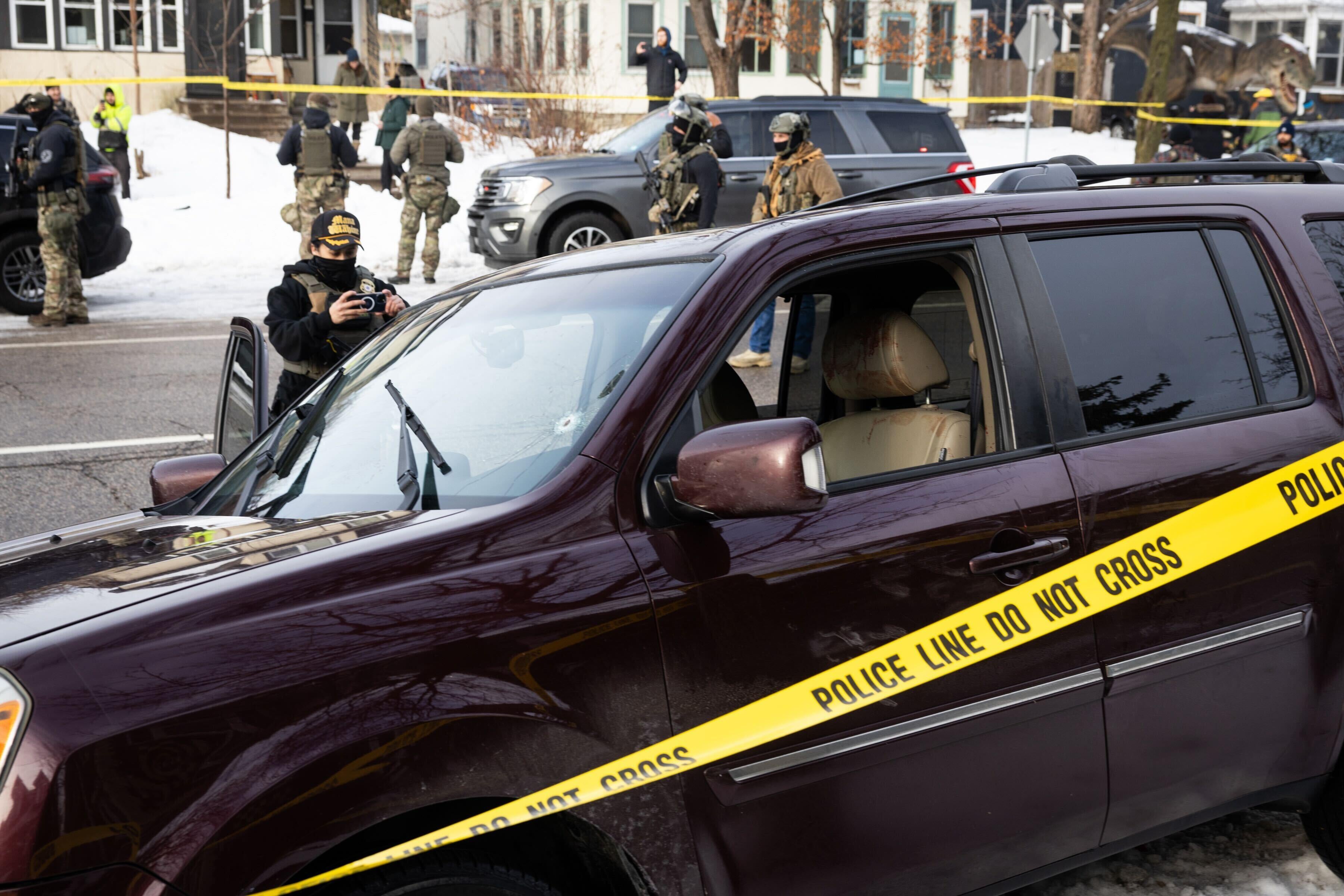
In stark contrast, Minneapolis Mayor Jacob Frey offered a powerful rebuttal, highlighting the significant divide between local and federal perspectives. Addressing reporters, Frey unequivocally condemned the agent’s actions, dismissing the self-defense claims as “bulls” after reviewing the video himself. He described the incident as an agent “recklessly using power that resulted in somebody dying,” further exacerbating the tension between the city and federal immigration authorities. This illustrates the deep chasm in the Minneapolis mayor vs Trump ICE administration’s viewpoints.
Governor Tim Walz echoed Mayor Frey’s outrage, stating that the Trump administration’s “dangerous, sensationalized operations are a threat to our safety and that someone was going to get hurt.” He explicitly called for federal agents to withdraw from the city, underscoring the severe local opposition to their presence. Other elected officials, including Minnesota Rep. Ilhan Omar and Washington Rep. Pramila Jayapal, also condemned ICE’s actions, calling for the agency to leave their communities.
The tragic shooting quickly led to a large crowd assembling at the incident site, just blocks from where George Floyd was killed in 2020. The community’s anger was palpable, with protesters chanting and expressing their frustration towards law enforcement. This outpouring of emotion underscored the deep-seated distrust and fear that federal operations, particularly those involving ICE, have instilled in Minneapolis residents, intensifying the calls for justice and transparency. For many, this event is the most significant ice minneapolis news today.
The fatal shooting occurred amid a recent influx of federal agents into Minneapolis, an initiative announced by the Trump administration. This surge, involving potentially thousands of agents, was ostensibly linked to an investigation into fraud within Minnesota’s social services programs. However, the presence of these agents has caused significant alarm, particularly among the large Somali descent population, many of whom have feared detention by ICE. This context is crucial for understanding the broader ICE Minneapolis controversy explained.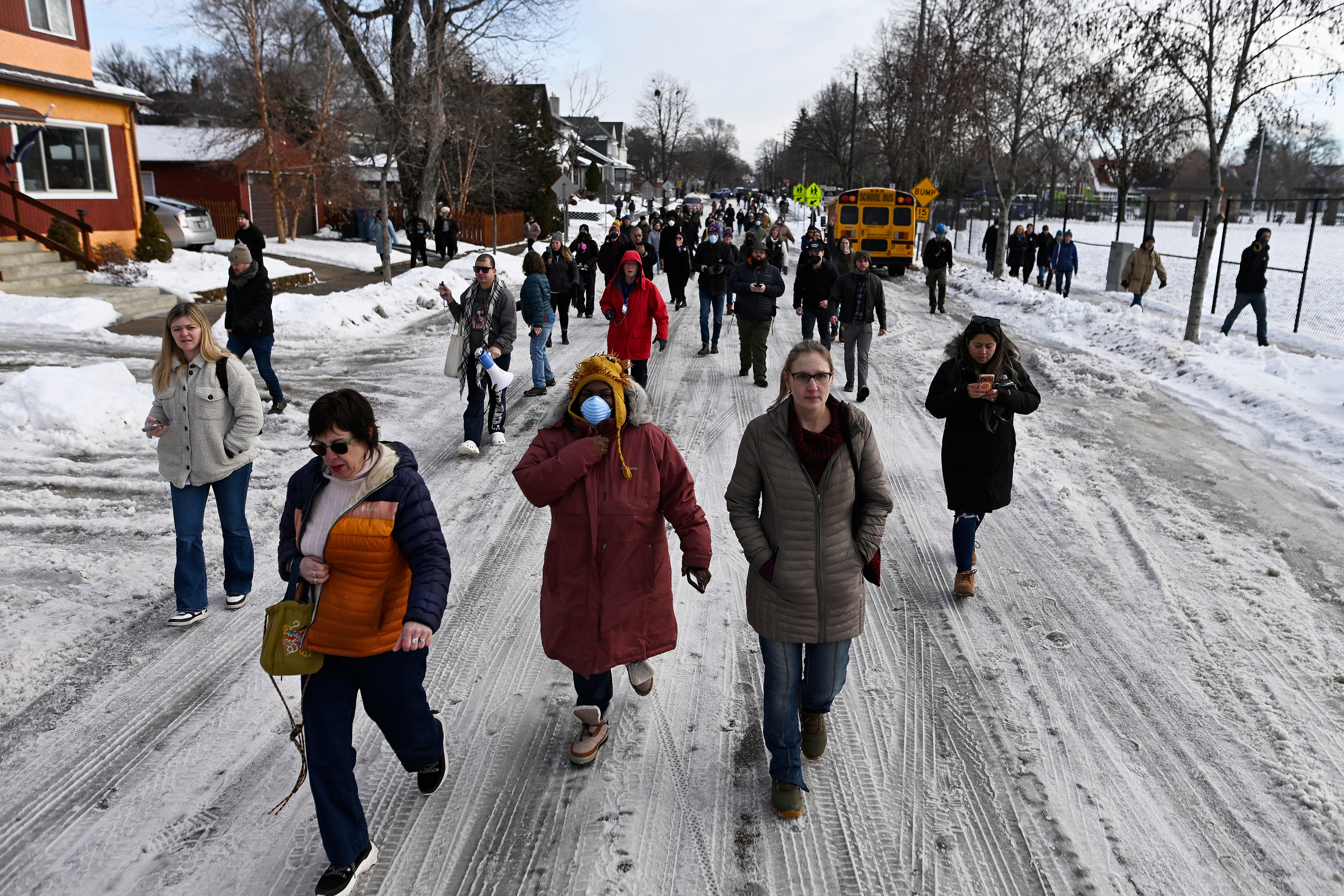
The incident raises critical questions about federal agent conduct and accountability. While investigations are underway, the conflicting narratives highlight the urgent need for transparent processes and clear guidelines for federal operations within local jurisdictions. The demand for justice for Renee Good underscores a broader call for rigorous oversight of federal agencies, shaping discussions around federal agent accountability 2






