


The recent Trump Russia oil tanker seizure in the Atlantic has ignited a fresh diplomatic firestorm, potentially setting President Donald Trump on a collision course with Russian President Vladimir Putin. This dramatic move saw US forces intercept the Marinera, a vessel previously linked to Venezuela, sparking immediate international repercussions and drawing in the United Kingdom as a key supporter of the operation. This event underscores the complexities of global sanctions and the ongoing tension between major world powers. The escalating situation raises critical questions about the future of US Russia relations and the enforcement of international maritime law.
The UK’s involvement in the Marinera’s capture, specifically through British armed forces providing support, highlights the coordinated effort behind such high-stakes operations. As the vessel traveled north and eastwards between Iceland and Scotland, RAF surveillance craft and the RFA Tideforce naval supply ship were deployed. The Ministry of Defence confirmed the UK’s support was in “full compliance with international law,” attempting to mitigate any potential diplomatic fallout from the oil tanker seizure vs international law debate.
What is a shadow fleet? A shadow fleet refers to a clandestine network of aging vessels operating outside traditional maritime regulations, often involved in transporting sanctioned oil or goods to bypass international restrictions. These tankers frequently change names, flags, and ownership to obscure their activities and evade detection by authorities, making them a key target for sanctions enforcement.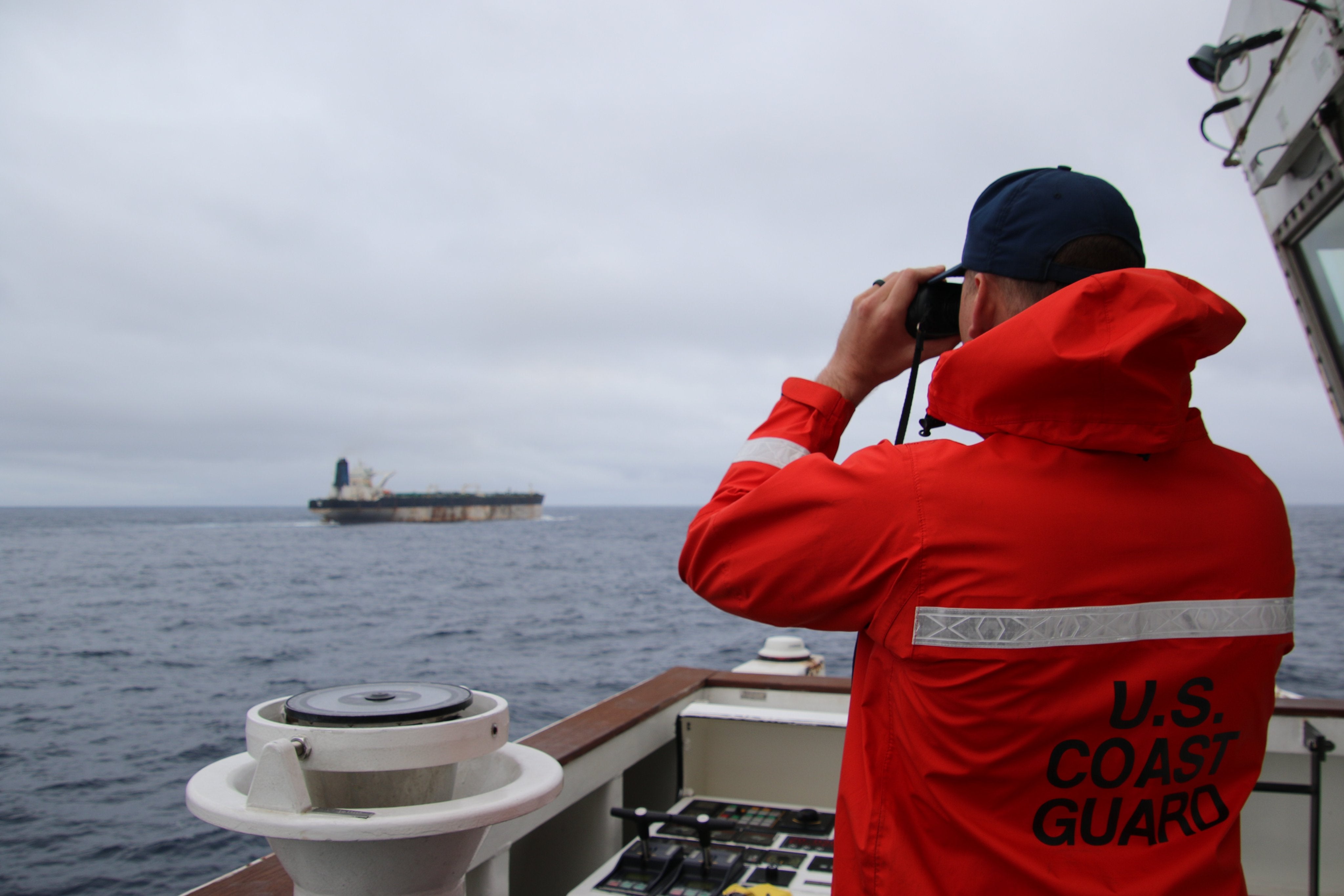
President Trump’s response to the operation, delivered via social media, took a notable swipe at NATO partners. He declared, “We will always be there for Nato, even if they won’t be there for us. The only nation that China and Russia fear and respect is the DJT (Donald J Trump) REBUILT USA. MAKE AMERICA GREAT AGAIN!!!” This statement, despite clear British involvement, underscored his long-standing criticisms of alliance contributions and his vision for American strength.
Defence Secretary John Healey weighed in on the seizure, stating, “This ship, with a nefarious history, is part of a Russian-Iranian axis of sanctions evasion which is fuelling terrorism, conflict and misery from the Middle East to Ukraine.” Healey’s comments emphasized the broader strategic implications of tackling what he termed “shadow fleet activity” to protect national security, economic stability, and global order. Understanding US sanctions explained for beginners becomes crucial in grasping the context of these actions.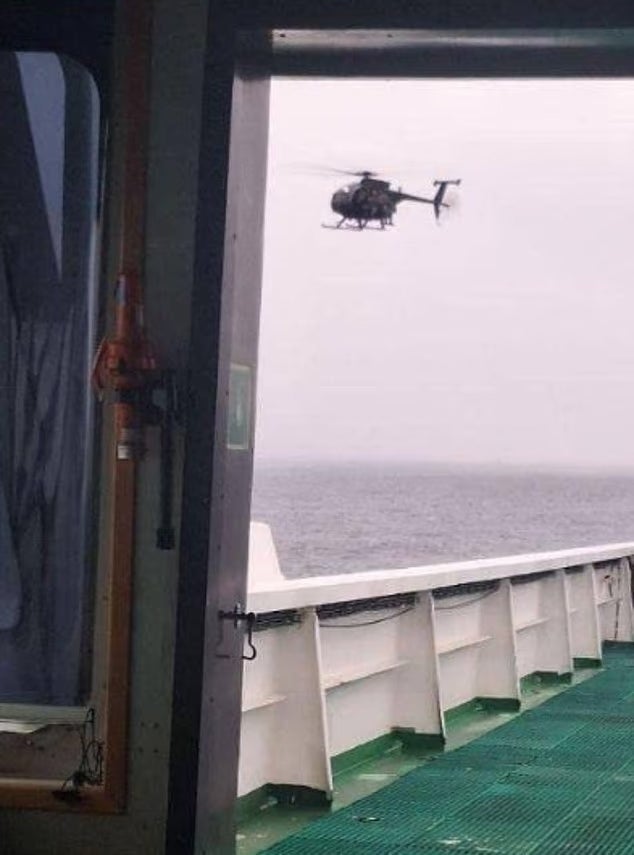
The Marinera’s journey to becoming a seized vessel is complex. It had been pursued by the US for several weeks, having reportedly evaded a “total naval blockade” of Venezuela established in December. The tanker, originally flagged in Guyana and previously named Bella-1, hastily adopted a Russian flag and changed its name to Marinera in a clear attempt to secure Russian protection as it headed toward Europe, currently empty.
Russia’s transport ministry swiftly condemned the seizure, asserting that it had granted the Marinera a “temporary permit to sail under the Russian Federation flag” on Christmas Eve. The ministry vehemently argued that “no state has the right to use force against vessels duly registered in the jurisdictions of other states” under the UN Convention on the Law of the Sea, setting up a direct confrontation over maritime legal interpretations. This forms a core part of the oil tanker seizure vs international law discussion.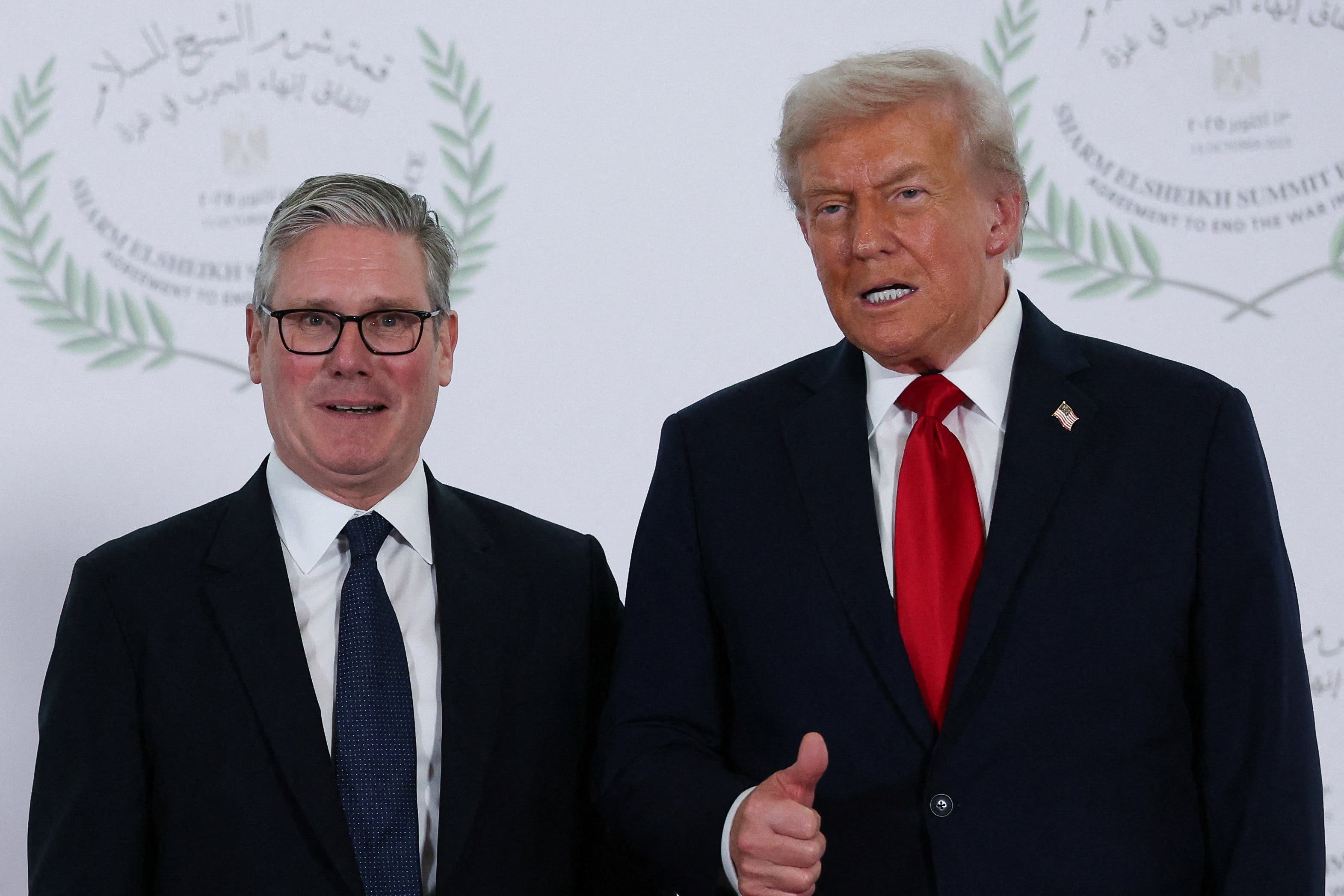
The Marinera incident was not isolated. US European Command announced its seizure for “violations of US sanctions,” and it was soon revealed that another sanctioned Venezuela-linked tanker, the Sophia, was captured during a “pre-dawn” raid in the Caribbean on the same day. US Secretary of Homeland Security Kristi Noem confirmed both ships were “either last docked in Venezuela or en route to it,” highlighting a concerted effort against sanctions evasion. This demonstrates why is US seizing oil tankers as part of a broader strategy.
Kremlin adviser and former Russian deputy foreign minister Andrei Fedorov had previously warned the BBC that such a move would “be considered as [an] attack on Russia, and it could lead to very critical or maybe even crisis situation in relations between Russia and US.” This foreboding statement underscores the high stakes involved in the Trump vs Putin relationship and the potential for rapid escalation following these actions.
Beyond the recent seizures, US forces have apprehended at least two other tankers carrying Venezuelan oil in international waters late last year. Furthermore, at least 33 Venezuelan vessels have been targeted by the US since early September, in operations justified by claims of drug trafficking into the US, which are believed to have resulted in 112 fatalities. These ongoing actions provide a crucial backdrop to the current Venezuela oil sanctions guide and enforcement efforts.
The diplomatic landscape is further complicated by other ongoing tensions, including a row over Greenland. Sir Keir Starmer and other European leaders have publicly pushed back against Mr. Trump’s perceived threats to annex the strategic, mineral-rich island, which is part of Denmark, a NATO country. Former defence secretary Sir Ben Wallace accused the US president of attempting to “thieve” Greenland’s mineral assets, while former NATO deputy supreme allied commander General Sir Richard Shirreff criticized the British government’s stance.
This multifaceted global scenario, encompassing maritime seizures, sanctions enforcement, and geopolitical maneuvering, highlights a period of intense international friction. The Marinera tanker news today signals a significant escalation in the ongoing efforts to enforce sanctions and reshape global alliances, with the Trump Russia oil tanker seizure serving as a potent symbol of these challenges.
The implications of these events will undoubtedly resonate across diplomatic channels for months to come, influencing future policy and international agreements. As we look towards a sanctions enforcement guide 2026, the precedents set by these aggressive interdictions will be critical. The complex interplay between economic pressure, legal interpretations, and military action continues to define the Trump Putin latest news cycle and the broader geopolitical chessboard. The long-term impact of this Trump Russia oil tanker seizure on global stability remains a subject of intense scrutiny and concern.









