


The rising cost of healthcare in the United States continues to be a critical concern for millions, particularly as key provisions of the Affordable Care Act (ACA) face uncertainty. Understanding what are ACA subsidies is essential for anyone navigating the complex landscape of health insurance, especially when facing life-altering medical diagnoses. These financial aids, designed to make health coverage more accessible, have recently seen enhanced benefits expire, leading to dramatic premium increases for many Americans, including those battling serious illnesses like cancer.
For individuals like Johana Scott, a Texan woman fighting Stage 3 cancer, the expiration of these enhanced subsidies has had devastating consequences. Her monthly health insurance premium skyrocketed from approximately $200 to an unsustainable $1,725 for the same plan. This drastic increase, representing over 700 percent, far exceeds her modest monthly income of $1,200, leaving her in an impossible situation where vital cancer treatments are suddenly out of reach. Her story highlights the dire choices millions of Americans are now confronting.
What are ACA subsidies? The Affordable Care Act (ACA) provides financial assistance, known as premium tax credits or subsidies, to eligible individuals and families to help them afford health insurance coverage purchased through the Health Insurance Marketplace. These subsidies reduce the amount people pay each month for their health insurance premiums, making coverage more accessible and affordable.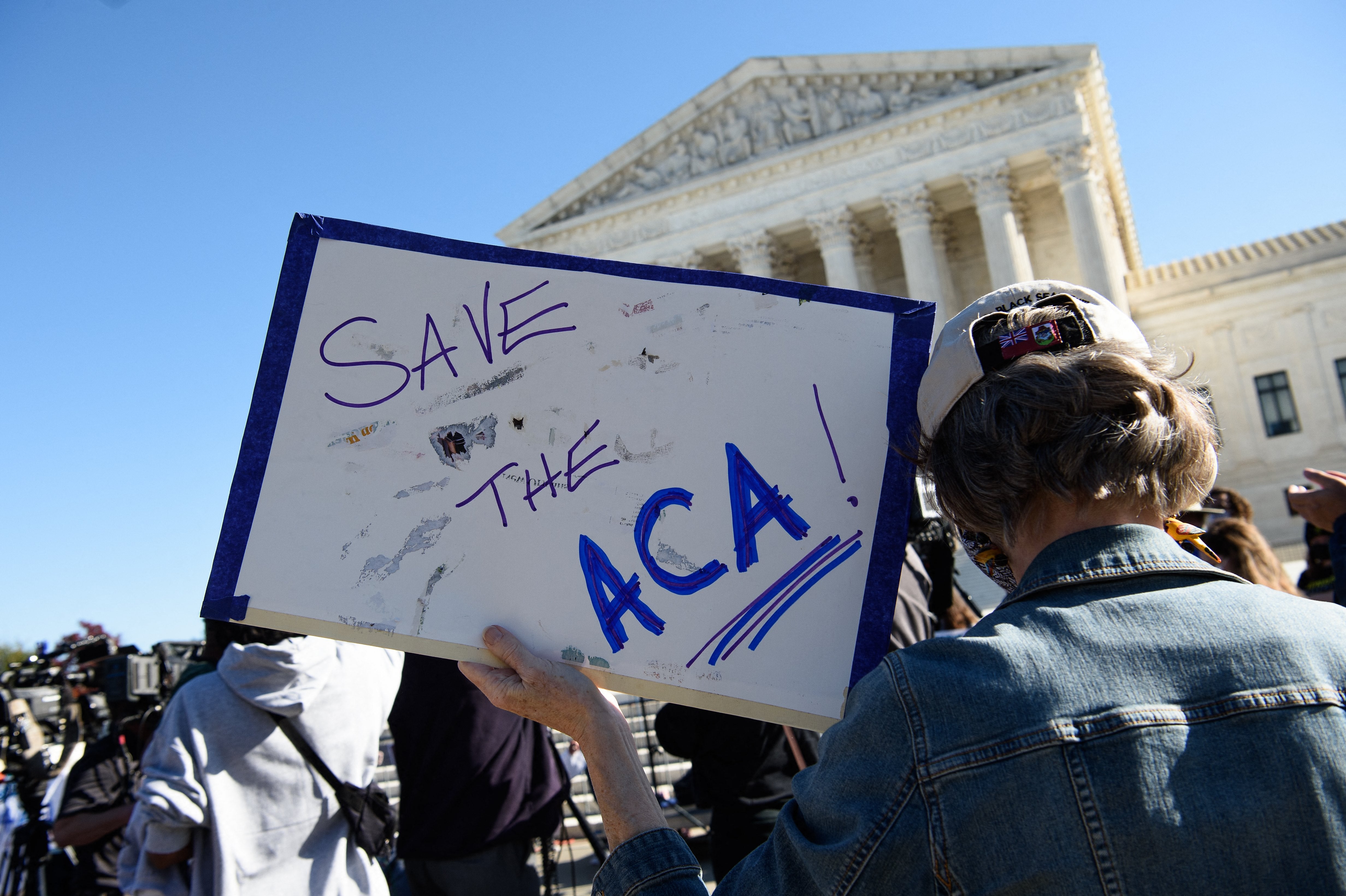
Initially established in 2010, the ACA aimed to expand health insurance coverage across the nation. The enhanced subsidies, introduced as part of a 2021 pandemic relief bill and extended in 2022, significantly broadened eligibility and increased the amount of financial help available. This allowed millions who were previously ineligible to enroll in plans, providing a crucial safety net. The recent expiration of these enhanced benefits has rolled back much of this progress, leaving many vulnerable to escalating costs.
Securing adequate health insurance for cancer patients is paramount, as treatment costs can be astronomical. A single cancer treatment session can range from $20,000 to $45,000, far exceeding the annual income of many individuals. Without comprehensive coverage and robust financial support, patients are forced to choose between life-saving care and financial ruin. This underscores the critical need for stable and affordable healthcare solutions for those facing the most challenging health battles.
The latest ACA subsidies update indicates a persistent political divide in Congress regarding their permanency. While Democrats have consistently pushed to make the enhanced subsidies a permanent fixture, Republican opposition, often citing concerns over federal spending, has kept them temporary. Recent legislative attempts to extend these subsidies have faced significant hurdles, highlighting the complex political landscape that directly impacts healthcare accessibility for millions.
Many consumers often weigh their options, considering ACA vs private health insurance purchased directly from carriers. While private plans can offer flexibility, ACA marketplace plans are unique in providing income-based subsidies, which can significantly lower monthly premiums and out-of-pocket costs for eligible individuals. This distinction is crucial for those who do not receive employer-sponsored coverage and need financial assistance to secure adequate health benefits.
Another common comparison arises when individuals consider short term health insurance vs ACA plans. Short-term plans typically offer lower premiums but come with significant limitations, often excluding pre-existing conditions and offering minimal coverage for serious illnesses like cancer. In contrast, ACA-compliant plans are mandated to cover essential health benefits and cannot deny coverage based on pre-existing conditions, making them a more robust option for long-term health security, particularly for vulnerable populations.
Looking ahead, the future of healthcare subsidies remains uncertain, with potential changes influenced by upcoming political developments. Recent Trump healthcare plan news suggests that any broad legislative action to restore or modify ACA subsidies might depend on presidential backing, as previous attempts faced internal party backlash. Analysts suggest that a comprehensive solution could potentially be integrated into a larger budget bill, but this path is fraught with political challenges and delays.
To truly grasp the implications of these policy changes, having the affordable care act explained clearly is vital. It’s a complex piece of legislation designed to ensure more Americans have access to quality, affordable health insurance, regardless of their health status or income. Its effectiveness, however, hinges on the consistent availability of subsidies and robust political support to maintain its core tenets and expand its reach.
For those asking how to afford cancer treatment, beyond insurance subsidies, there are other avenues to explore. Patient assistance programs, non-profit organizations, and hospital financial aid can offer additional support. Advocacy groups also provide resources and guidance for navigating medical bills and seeking financial relief. However, these supplemental programs often only bridge gaps, emphasizing the primary role of comprehensive and affordable health insurance.
As we look towards the future, individuals will undoubtedly be searching for the best health insurance plans 2026. The landscape of health coverage is constantly evolving, influenced by legislative changes, economic factors, and market innovations. Staying informed about policy updates and comparing plans carefully will be crucial for securing optimal coverage and mitigating the financial risks associated with serious medical conditions.
Preparing for future enrollment periods will require an up-to-date ACA guide 2026. These guides will detail eligibility requirements for subsidies, enrollment deadlines, and available plan options. The goal remains to empower consumers with the knowledge to make informed decisions about their healthcare, ensuring that financial barriers do not prevent access to necessary medical care.
Ultimately, the ongoing debate around what are ACA subsidies and their future highlights a fundamental challenge in American healthcare: balancing affordability with comprehensive coverage. The stories of individuals facing exorbitant medical bills due to expiring aid underscore the urgent need for stable, long-term solutions that protect vulnerable populations and ensure that access to life-saving treatment is a right, not a privilege determined by financial status.





![[Just In] Details Of Goodluck Jonathan Meeting With PDP Leaders Emerge](https://samony.com.ng/wp-content/uploads/2026/01/Just-In-Details-Of-Goodluck-Jonathan-Meeting-With-PDP-Leaders.jpg?lm=695D6E0C "Why Goodluck Jonathan Met PDP Leaders: Key Discussions Revealed")



