One year after devastating wildfires scorched Los Angeles, many residents continue to battle a silent, insidious enemy: the lingering toxic hazards within their homes. The immediate danger of the flames has passed, but the long-term question of “what are wildfire health effects” remains a critical concern for those living amidst the aftermath. Homes that were spared from burning are now contaminated with a dangerous “toxic soup” of incinerated materials, posing significant risks to health and well-being. This ongoing struggle highlights the complex and often underestimated challenges of post-wildfire recovery, extending far beyond physical rebuilding to encompass profound health and environmental issues. The pervasive nature of these contaminants means that even a year later, communities are grappling with an invisible threat.
Wildfire ash is far more than just burnt wood; it is a complex mixture of chemicals released from incinerated cars, electronics, plastics, paints, furniture, and personal belongings. This creates a highly dangerous residue that can contain pesticides, asbestos, lead, and other heavy metals. Unlike typical ash from a fireplace, urban wildfire ash encompasses a wide array of synthetic and natural materials, each releasing its own set of hazardous compounds when burned. The sheer volume and variety of these contaminants contribute to the unique and severe health risks associated with living in fire-affected zones. Residents often report symptoms ranging from persistent headaches and sore throats to worsening respiratory conditions, indicative of ongoing exposure to these harmful substances.
What are wildfire health effects? The answer is that exposure to wildfire smoke and ash can lead to acute symptoms like respiratory irritation, headaches, and fatigue, while long-term exposure is linked to more severe conditions such as heart disease, lung issues, neurological damage from lead, and an increased risk of cancer from asbestos and volatile organic compounds.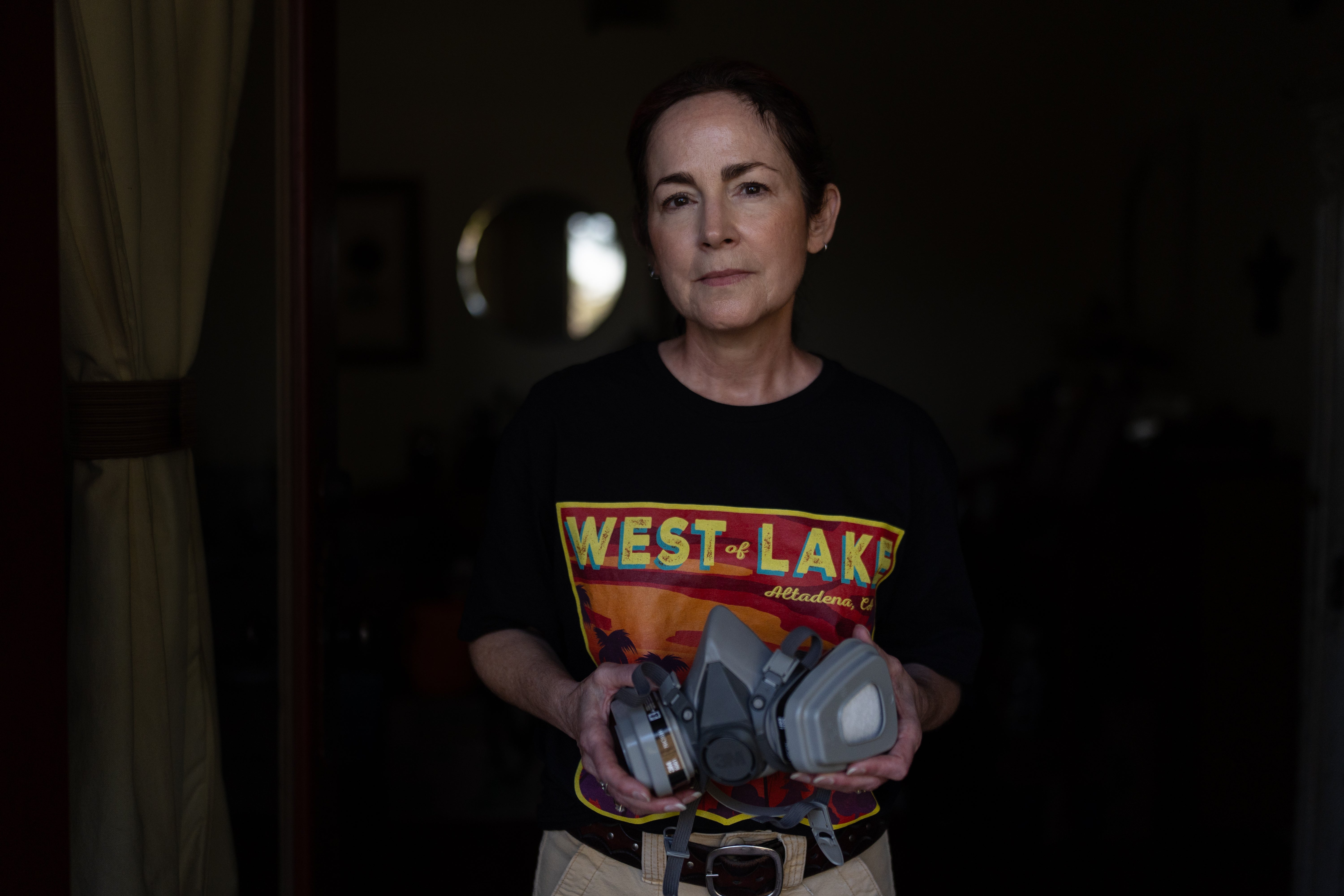
How to clean smoke damage after fire effectively is a question many homeowners face, and the solution is rarely simple. Traditional cleaning methods often prove insufficient for eradicating the microscopic, yet highly toxic, particles left behind by wildfires. Even after professional cleaning services, many homes still show dangerous levels of contaminants like lead, which can linger on surfaces, in dust, and within air ducts. The challenge is compounded by the fact that many of these toxins are not visible, making comprehensive remediation a difficult and costly endeavor. Homeowners are often left to navigate a complex landscape of testing, specialized cleaning, and insurance claims.
Distinguishing between wildfire ash vs regular ash is crucial for understanding the appropriate cleanup protocols. While regular ash from natural wood fires primarily consists of mineral compounds, wildfire ash from urban areas includes a hazardous cocktail of heavy metals, plastics, and chemicals from synthetic materials. This difference in composition means that standard cleaning approaches are inadequate for wildfire residue, necessitating specialized hazardous material cleanup to protect inhabitants from long-term exposure. The unique toxicity of wildfire ash requires a more rigorous and informed approach to ensure safety.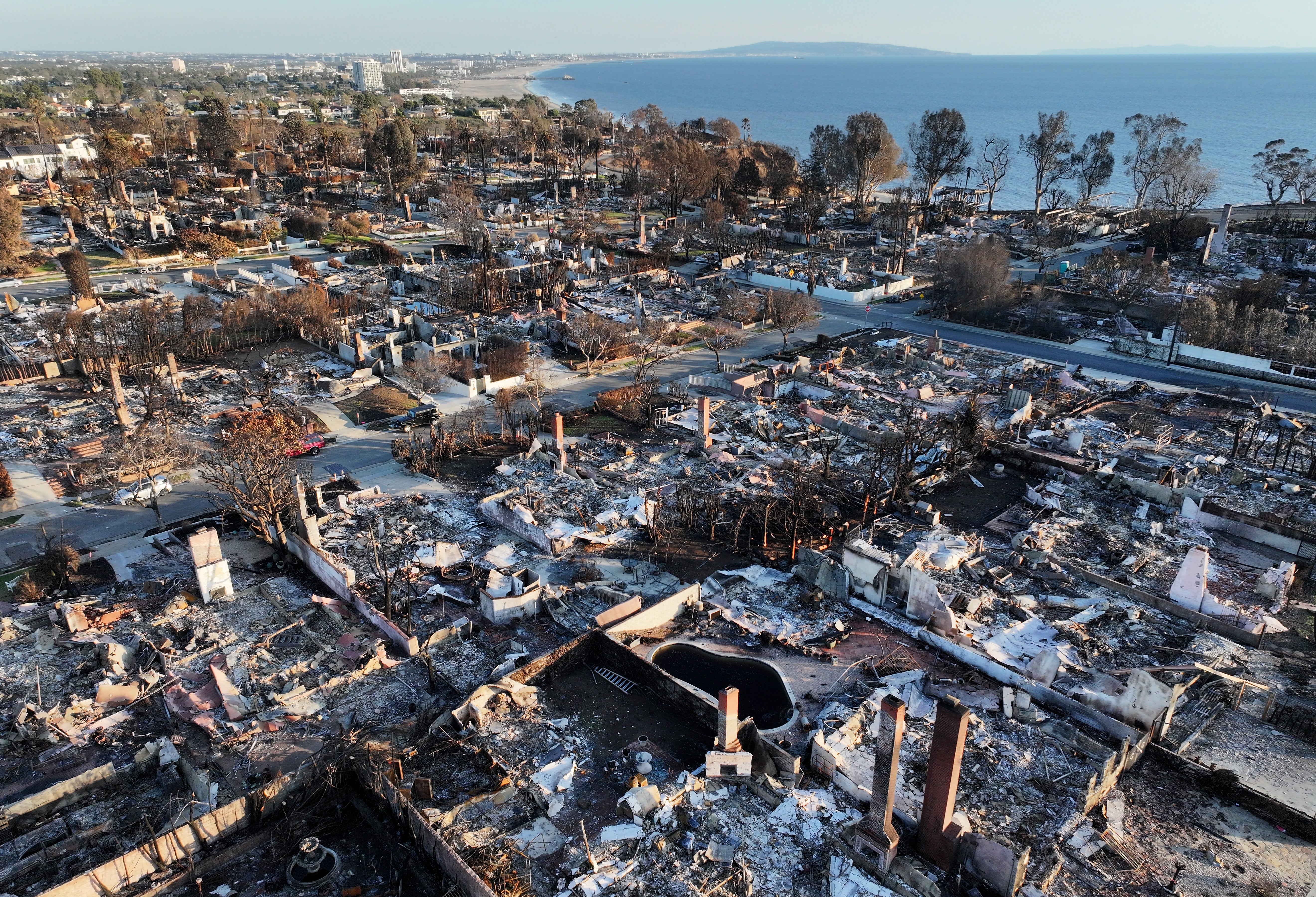
Data from affected communities underscores the severity of the problem. A report by the Eaton Fire Residents United, a volunteer group, revealed that six out of ten homes damaged by smoke from the Eaton Fire still contained dangerous levels of cancer-causing asbestos, brain-damaging lead, or both. This finding, based on self-submitted data from 50 homeowners, indicates that 63% of these properties exceeded the Environmental Protection Agency’s lead standards, with average levels nearly 60 times higher than the EPA’s rule. This alarming data highlights the persistent danger and the need for more effective intervention.
For homeowners seeking a comprehensive wildfire cleanup guide for homeowners, expert advice emphasizes ventilation and advanced air filtration. Opening windows and running high-efficiency particulate air (HEPA) purifiers with charcoal filters are recommended to mitigate indoor air quality risks. These steps help remove volatile organic compounds and fine particulate matter, though they may not fully address embedded contaminants like lead dust. The guide also stresses the importance of professional testing to accurately identify and quantify hazards, enabling targeted remediation efforts that go beyond superficial cleaning.
The struggles with insurance companies often add another layer of trauma for residents, as highlighted in the LA wildfire toxic hazards news. Many insurers resist paying for comprehensive contamination testing and specialized remediation, leaving homeowners to bear significant out-of-pocket costs. This creates a grueling battle for families already dealing with the emotional and physical toll of the disaster. The state’s insurer of last resort has faced scrutiny for its handling of fire damage claims, further complicating the recovery process for vulnerable populations.
Experts stress the particular importance of eliminating exposure to lead and asbestos, especially for pregnant individuals and young children. Dr. Lisa Patel, executive director for the Medical Society Consortium on Climate and Health, emphasizes that there is no safe level of exposure for asbestos. With many homes in fire-prone areas built before 1979, when lead paint was common, the risk of lead contamination from burned structures is significant. This underscores the need for vigilant testing and remediation to protect the most vulnerable members of the community from lasting health impacts.
Looking ahead, a comprehensive wildfire recovery guide 2026 will need to address not only physical rebuilding but also the long-term environmental and health challenges. This includes developing better protocols for assessing and remediating toxic contamination, ensuring adequate insurance coverage, and providing mental health support for affected communities. The experience of Altadena residents seeking an Altadena wildfire cleanup update highlights the need for continuous monitoring and a proactive approach to public health in fire-prone regions. Investing in advanced air purification systems, such as the best air purifiers for wildfire smoke 2026, will also be crucial for maintaining safe indoor environments.
Beyond the physical hazards, the mental health toll on wildfire survivors is profound. Many who initially felt relief that their homes were spared now endure a “special kind of hell,” constantly worrying about invisible toxins and fighting for adequate cleanup. The emotional burden of living in a contaminated space, coupled with the financial strain and battles with insurance, creates chronic stress and anxiety. This ongoing struggle demonstrates that the question of “what are wildfire health effects” extends far beyond physical ailments to encompass deep psychological trauma. The journey to full recovery is long and multifaceted, requiring sustained support and understanding.
In conclusion, the aftermath of wildfires presents a complex array of challenges, from the ongoing battle against hidden toxins to the arduous process of securing adequate support for remediation. Understanding “what are wildfire health effects” is paramount for protecting communities and ensuring that residents can truly recover from these devastating events. The fight for clean, safe homes is far from over, highlighting the urgent need for enhanced public health interventions, more responsive insurance policies, and continued research into the long-term impacts of such environmental disasters. The resilience of these communities hinges on addressing not just the visible damage, but also the invisible threats that linger long after the flames are extinguished.