

![[post_title]](https://samony.com.ng/wp-content/uploads/2026/01/1767625270_Should-there-be-a-minimum-weight-rule-in-MotoGP-1024x682.jpg?lm=695BD238)
The debate surrounding a MotoGP minimum weight rule has intensified, sparking discussions across the elite motorcycle racing community. Unlike other premier grand prix classes and World Superbike, MotoGP currently operates without a combined minimum weight for both motorcycle and rider. This unique absence raises critical questions about fairness, rider safety, and competitive balance, prompting calls for reform from prominent figures within the sport. Understanding the implications of rider weight in MotoGP is crucial for appreciating the ongoing discussions and potential future changes.
What is the minimum weight in MotoGP? The current regulations stipulate a minimum prototype weight of 157kg for MotoGP bikes, but there is no combined minimum weight rule that includes the rider. This means rider weight itself is not offset or ballasted, unlike in Moto2, Moto3, or WSBK, where such measures ensure a more level playing field for competitors.
Examining MotoGP vs Moto2 weight rules reveals a significant disparity. In Moto3, the combined minimum weight for bike and rider is 152kg, while Moto2 sets this at 217kg. These regulations are specifically designed to mitigate the inherent advantages lighter riders might have, fostering a more equitable environment where rider skill, rather than natural physique, is the predominant factor in performance.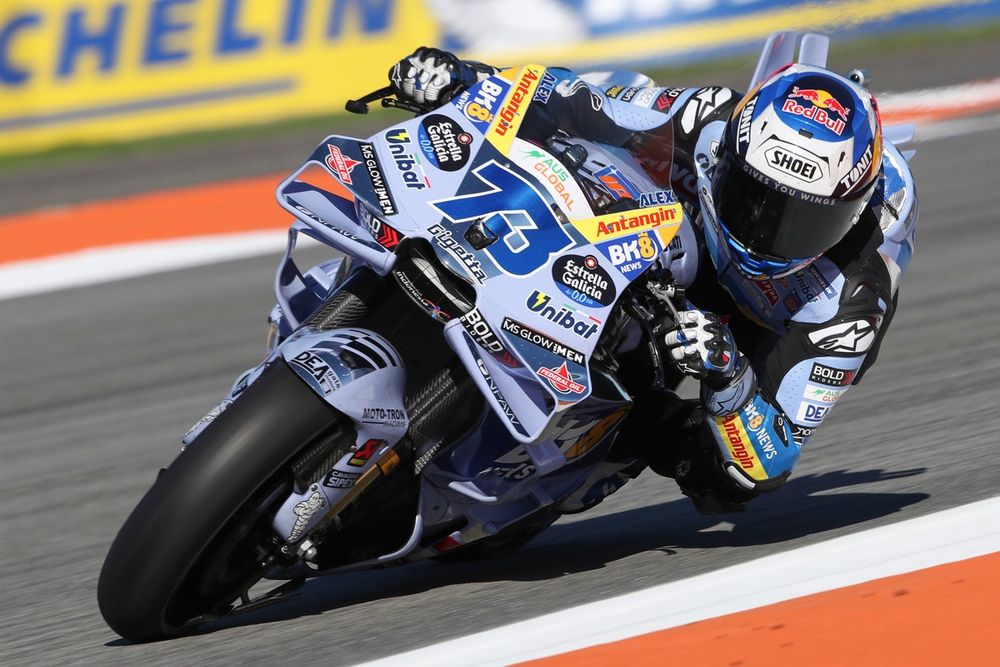
Further comparisons with the World Superbike Championship highlight MotoGP’s unique stance. The MotoGP vs WSBK weight rules show WSBK employs a sophisticated correction factor for rider weight. While the minimum bike weight is 168kg, WSBK establishes an 80kg reference value for the rider, including equipment. If a rider is lighter, 50% of the weight difference is added to the motorcycle as ballast, directly compensating for potential advantages.
So, why is rider weight important in MotoGP? The physics of motorcycle racing dictate that a lighter combined weight often translates to faster acceleration, improved braking, and reduced tyre wear. This can provide a discernible performance edge, allowing lighter riders to conserve tyres over a race distance or achieve higher top speeds more readily. This inherent advantage is at the core of the ongoing debate.
Leading riders have openly discussed the implications. Reigning world champion Jorge Martin, weighing 63kg, emphasizes that weight management is a crucial detail for elite athletes. “We are the elite of motorsport and we work on every detail,” Martin stated, highlighting the relentless pursuit of strength and endurance at a lower weight. He candidly admits that riders over 70 kilos face a significant challenge, underscoring the pressure to maintain a lean physique. This perspective offers a glimpse into the rigorous MotoGP rider weight management guide that many professionals adhere to.
At the other end of the spectrum, Luca Marini, one of the grid’s tallest riders at 184cm, has been a vocal proponent for change. His strong stance on the issue has fueled the Luca Marini MotoGP weight rule discussions. Marini, who weighs 70 kilos, asserts that lighter riders inherently go faster and use less tyre. He argues that a minimum weight rule, common in almost every other sport, is the only missing element in MotoGP to ensure true competitive parity.
However, not all riders agree on the extent of the disadvantage. Alex Marquez, another tall rider, believes that the advantages and disadvantages of height and weight largely balance each other out. He suggests that being taller can aid in direction changes by providing more leverage and strength to shift weight. Marquez also points out that most MotoGP riders are already within a tight weight range, typically between 65 and 70 kilos, minimizing the perceived five-kilo difference. This perspective offers a counterpoint to the more critical voices in the MotoGP weight rule debate update.
As the sport looks ahead, the discussion around a MotoGP minimum weight rule 2026 gains further relevance with the anticipated arrival of new talent. Toprak Razgatlioglu, a tall rider from WSBK, is set to join the MotoGP grid in 2026, listed at 182cm and 72kg. His transition will undoubtedly bring renewed attention to how rider physique impacts performance and the broader fairness of the championship.
Ultimately, the question of a MotoGP minimum weight rule is complex, touching upon athletic prowess, technological limits, and the very spirit of competition. The potential implementation of a MotoGP minimum weight rule remains a hot topic, with riders like Martin and Marini highlighting the current disparities, while others argue for the status quo. The detailed considerations and differing viewpoints underscore the need for a comprehensive MotoGP weight rules explained guide, helping fans and participants understand the nuances of this critical aspect of modern motorcycle racing. The ongoing dialogue promises to shape the future of the sport, potentially leading to significant regulatory adjustments in the coming seasons.






