

![[post_title]](https://samony.com.ng/wp-content/uploads/2026/01/1767623240_Does-MotoGP-need-a-minimum-weight-rule-1024x682.jpg?lm=695BCA4A)
The world of motorcycle racing’s premier class, MotoGP, currently stands as a unique outlier: it is the only grand prix category without a combined minimum weight for both the motorcycle and its rider. This absence sparks a significant and ongoing discussion, often referred to as the MotoGP minimum weight rule debate. While sister categories like Moto2 and Moto3, along with the World Superbike Championship, implement such regulations to foster a more level playing field, MotoGP relies solely on a minimum bike weight. This crucial difference has led to intense scrutiny regarding fairness, rider health, and competitive balance, prompting calls from riders and experts alike for a reevaluation of the current system.
Why is rider weight crucial in MotoGP, and why does it ignite such passionate discussion? The answer lies in the fundamental physics of racing. Lighter riders inherently possess an advantage in acceleration, braking, and tire longevity. Every kilogram saved translates into a tangible performance gain, making weight management a relentless pursuit for every athlete in the paddock. This constant battle to shed every possible gram impacts training regimes, dietary habits, and ultimately, the physical well-being of the riders, pushing them to extremes to gain an edge.
The stark contrast in regulations is evident when examining MotoGP vs Moto2 weight regulations. In Moto3, for instance, a combined minimum weight of 152kg for bike and rider is strictly enforced. Moving up to Moto2, this combined minimum increases to 217kg. These rules are specifically designed to neutralize the inherent advantages lighter riders might have, ensuring that talent and skill remain the primary determinants of success, rather than a rider’s natural physique. The absence of such a combined limit in MotoGP creates a distinct dynamic.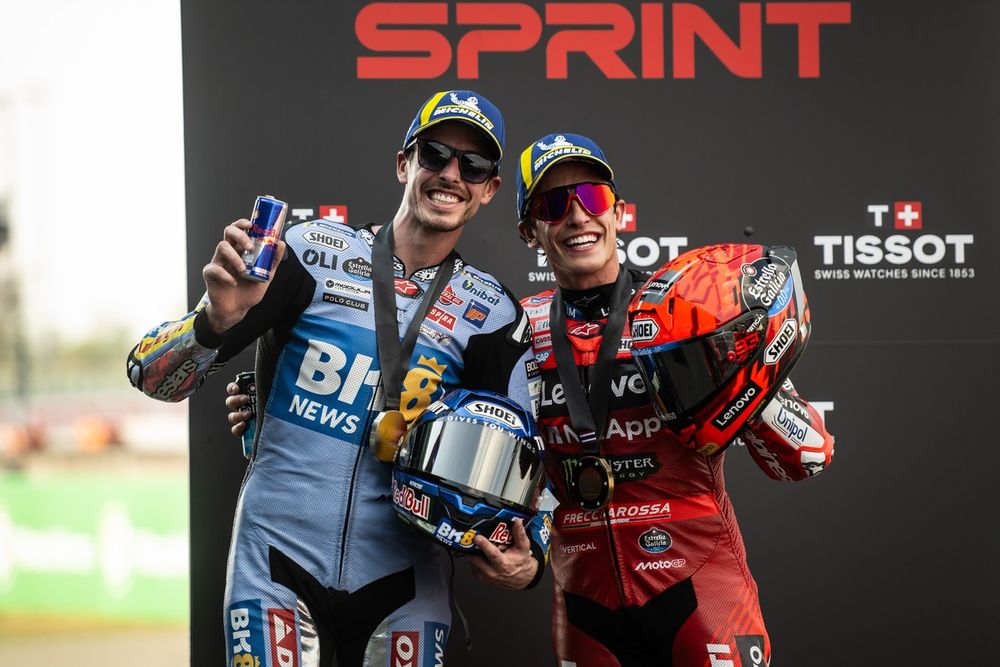
Further highlighting MotoGP’s unique stance are the rules in the World Superbike Championship. While WSBK maintains a minimum bike weight of 168kg, it also employs a sophisticated correction factor for rider weight. Using an 80kg reference value (including rider kit), a portion of any difference for lighter riders is added to the motorcycle as ballast. For example, a rider weighing 68kg would have 6kg of ballast added to their bike. This system in WSBK aims to directly address and mitigate the weight disparity, offering a tangible solution to a challenge MotoGP currently sidesteps.
For fans seeking a clearer understanding, the MotoGP weight rule explained for fans revolves around a single core principle: the minimum weight of a MotoGP prototype is 157kg, but rider weight is not factored into this equation. This means a 60kg rider on a 157kg bike has a combined weight of 217kg, whereas a 70kg rider on the same bike results in a 227kg total. The 10kg difference, while seemingly small, can translate into significant lap time variations over a race distance, influencing everything from top speed on straights to agility through corners.
This intense focus on weight is not lost on the riders themselves. Reigning World Champion Jorge Martin, a lean 63kg at 168cm tall, succinctly summarized the mentality: “We are the elite of motorsport and we work on every detail. And one of those details is weight. We are all really, really thin and try to be strong and have good endurance, but at a lower weight.” His words underscore the immense pressure riders face to maintain an optimal, often extremely low, body weight to maximize their competitive edge.
At the other end of the spectrum, taller riders often find themselves at a disadvantage. Luca Marini, a prominent voice in the paddock, has been vocal with his Luca Marini MotoGP minimum weight call. Standing at 184cm, Marini, despite being listed at 69kg without equipment, advocates for a minimum weight rule akin to other sports. He argues, “The lighter you are, the faster you go and the less you use the tyres – like [Dani] Pedrosa. In my opinion, there should be a minimum weight rule, like in every other sport. In the end, that’s the only thing missing in MotoGP.” He highlights the difficulty heavier riders face in shedding weight compared to lighter riders gaining it.
The ongoing MotoGP rider weight controversy is fueled by these differing perspectives and the inherent physical disparities among athletes. While some argue that managing weight is simply another aspect of elite performance, others contend that it creates an unfair advantage for naturally smaller riders and potentially compromises the health of those striving to meet extreme weight targets. The debate touches upon the very ethos of fair competition in a sport where milliseconds can decide victory.
A comprehensive rider weight management in MotoGP guide would reveal the intricate strategies employed by teams and riders. This includes meticulously planned diets, intense cardiovascular training, and strength conditioning designed to build muscle without adding excess mass. However, even with the most disciplined approach, a rider’s natural height and bone structure set inherent limits. For those like Alex Marquez, who at 180cm finished runner-up, height can sometimes offer advantages in terms of leverage and strength during direction changes, suggesting a nuanced interplay of factors beyond just raw weight.
The MotoGP minimum weight rule 2026 debate is set to intensify with new talent joining the grid. The upcoming season will see Toprak Razgatlioglu, a formidable rider from WSBK, transition to Pramac. Yamaha lists Razgatlioglu at 182cm and 72kg, making him one of the taller and heavier riders. His arrival will undoubtedly bring renewed attention to the weight disparity, as his performance will be closely scrutinized in the context of MotoGP’s current regulations, potentially adding further pressure for a rule change.
Understanding the rider weight impact MotoGP 2026 could bring is crucial for stakeholders. Should a minimum weight rule be introduced, it could significantly alter team strategies, rider selection, and even the design philosophy of the bikes themselves. It promises a more level playing field, potentially allowing a wider array of body types to compete at the highest level without facing an inherent physical disadvantage, thereby enriching the talent pool and making the racing even more unpredictable and exciting.
What is the MotoGP minimum weight rule debate? The debate centers on the absence of a combined minimum weight for rider and motorcycle in MotoGP, unlike other racing classes. Proponents argue for its introduction to ensure fair competition and prevent smaller riders from having an inherent advantage, citing potential health risks for riders striving for extreme low weights.
Ultimately, the discussion surrounding the MotoGP minimum weight rule is complex, balancing tradition with the pursuit of fairness and rider welfare. As the sport evolves and new talents emerge, the pressure to address this unique regulatory gap will likely grow. Whether MotoGP adopts a combined minimum weight, a ballast system, or finds an alternative solution, the dialogue signifies a critical juncture for the sport, aiming to ensure that the pinnacle of motorcycle racing remains a true test of skill, courage, and machinery, unburdened by disproportionate physical advantages.

![[post_title]](https://samony.com.ng/wp-content/uploads/2026/01/1767623240_Does-MotoGP-need-a-minimum-weight-rule-300x200.jpg?lm=695BCA4A "Why the MotoGP Minimum Weight Rule Debate is Key")


![[post_title]](https://samony.com.ng/wp-content/uploads/2026/01/1767621689_Can-Luke-Littler-beat-Phil-Taylors-record-of-16-world-300x201.jpg?lm=695BC43B "Luke Littler’s Legacy: How Hunger Will Shape His Darts Career")



