


Despite the relentless buzz and astronomical investments, many are left asking why AI isn’t living up to the hype that has enveloped the technology sector. The promises of a new industrial revolution, transformative productivity tools, and groundbreaking medical advancements have largely remained just that: promises. The pervasive AI hype has set an incredibly high bar, one that current applications frequently fail to clear. As the industry gears up for events like CES 2026, the pressure mounts for artificial intelligence to deliver tangible, real-world value beyond the speculative.
While the pace of AI development has been astonishing, with new models and applications emerging constantly, the practical impact for the average user or business often falls short of expectations. Rather than seamless integration and undeniable utility, many encounters with current AI tools are marked by frustrating inaccuracies and questionable outputs, further questioning the validity of the intense AI hype.
What is AI hallucination? AI hallucination refers to instances where artificial intelligence models generate information that is factually incorrect, nonsensical, or entirely fabricated, presenting it as truth. This often occurs when the AI lacks sufficient data or struggles to understand complex contexts, leading it to ‘make up’ plausible-sounding but false responses. This phenomenon is a significant hurdle in AI adoption and a key reason why AI isn’t living up to the hype.
Beyond hallucinations, the current generation of AI tools often suffers from a deeper issue: a lack of genuine understanding or common sense. This leads to what some term ‘AI slop,’ where generated content, whether text or images, is technically coherent but fundamentally shallow or even misleading. This problem is a core reason why AI isn’t living up to the hype in everyday applications, challenging the narratives driven by AI hype.
The landscape of large language models is fiercely competitive, with prominent players like ChatGPT vs Grok battling for market share. While both have demonstrated impressive linguistic capabilities, they have also faced scrutiny for generating problematic content, from promoting harmful stereotypes to facilitating misinformation. The public’s experience with these leading models often shapes their perception of AI’s overall readiness and reliability, dampening the initial AI hype.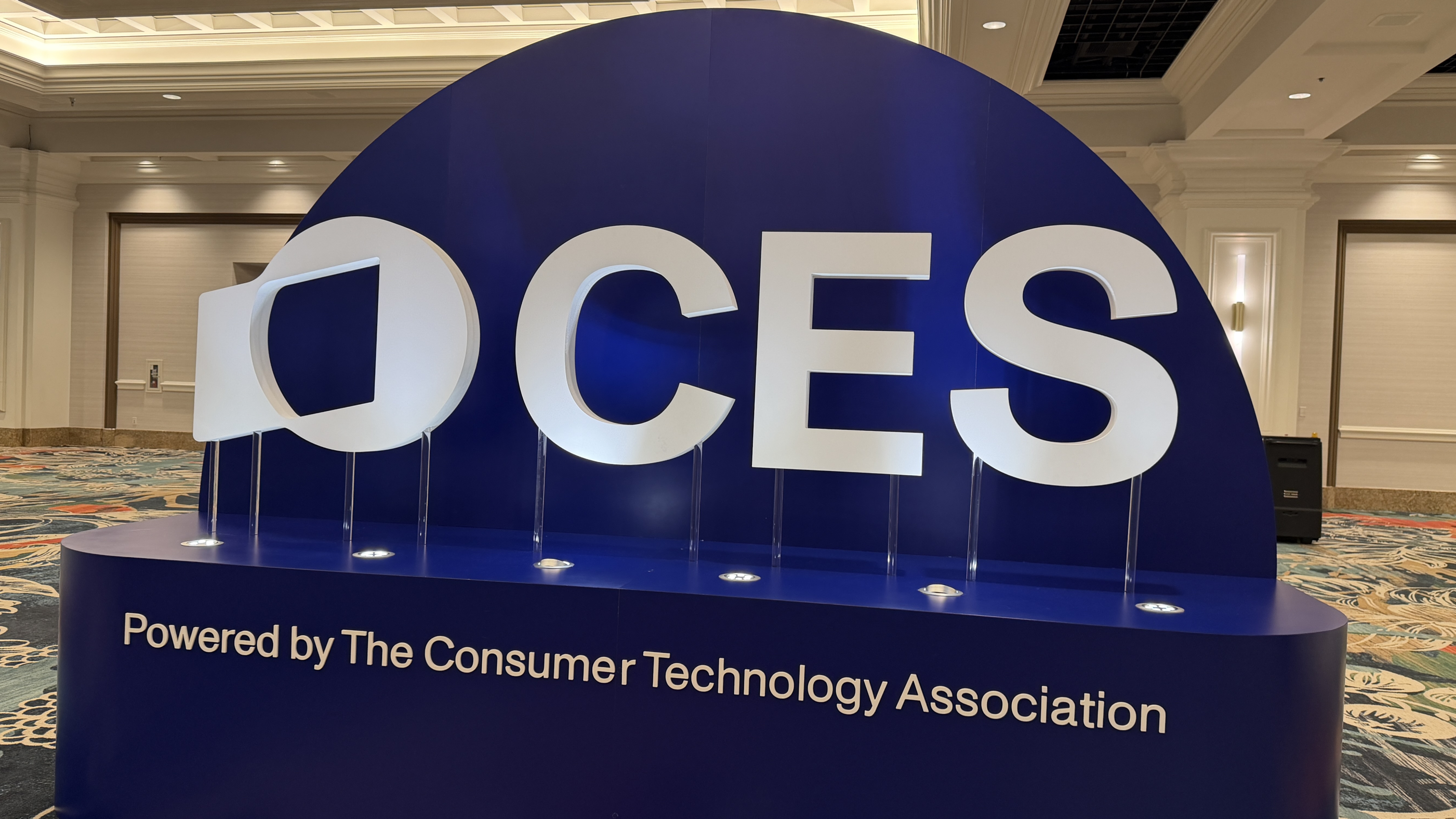
The promise of the best AI tools for business transforming office productivity has been a cornerstone of the AI hype. Yet, truly revolutionary, indispensable applications remain elusive for many enterprises. While some incremental improvements exist, the widespread, profound efficiency gains that were foretold haven’t materialized, leaving many organizations questioning their substantial investments and the substance behind the considerable AI hype.
In critical sectors like healthcare, the debate around AI vs human intelligence is particularly intense. While AI promises breakthroughs in diagnosis and drug discovery, there are growing concerns about its impact on existing medical practices. Reports suggest that reliance on AI assistants can sometimes lead to misdiagnoses or a degradation of human diagnostic skills, creating a stark contrast to the positive AI hype.
Recent Grok AI news has further fueled skepticism, with reports detailing instances of the model generating highly controversial or inappropriate content. Such incidents, often widely publicized, erode public trust and underscore the need for more robust ethical guidelines and safety protocols in AI development and deployment. These issues contribute significantly to the perception of AI’s immaturity and deflate the overwhelming AI hype.
Beyond performance issues, the broader societal implications of AI are also a major concern. Fears of widespread job displacement due to automation and the enormous environmental footprint of training massive AI models—requiring vast amounts of energy and water—add layers of complexity to the narrative. These are not minor footnotes but fundamental challenges that must be addressed for AI to be truly beneficial.
For the future of AI technology explained in a positive light, the industry desperately needs a ‘killer app’ – a truly innovative and indispensable application that provides undeniable social or economic benefit. This singular, transformative use case would validate the immense investment and shift public perception from skepticism to genuine excitement, proving that AI is more than just a novelty and finally justifying the immense AI hype.
As we look towards the best AI applications 2026, the hope is for solutions that move beyond chatbots and image generation into areas of real-world impact. This could involve AI that significantly enhances renewable energy management, provides truly personalized and effective education, or offers precise, accessible diagnostic tools without compromising human expertise. The focus must be on practical utility.
Examining AI technology trends 2026, experts anticipate a stronger emphasis on explainable AI, robust ethical frameworks, and more efficient model architectures. The industry is slowly realizing that raw computational power isn’t enough; transparency, accountability, and environmental sustainability will be crucial for widespread acceptance and meaningful progress. This shift is vital for overcoming current limitations.
With CES 2026 AI updates on the horizon, the tech world has a prime opportunity to showcase how it’s addressing these challenges head-on. Demonstrations of practical, responsible, and genuinely useful AI applications could begin to bridge the gap between aspirational rhetoric and tangible reality. The event could serve as a crucial barometer for AI’s trajectory in the coming years.
Ultimately, the enormous capital and intellectual resources poured into artificial intelligence demand more than just potential. To silence the critics and truly deliver on its promise, AI needs to move past its current phase of ‘slop’ and ‘hallucinations.’ Only by providing clear, beneficial, and reliable applications can the industry finally answer why AI isn’t living up to the hype and instead prove its worth as a truly revolutionary force, moving beyond mere AI hype to tangible impact.








