


The latest UK weather records update reveals a pivotal shift in the nation’s climate, with 2025 marking the warmest and sunniest year ever recorded across the United Kingdom. This unprecedented meteorological event, detailed by the UK Met Office, saw the average temperature soar to 10.09C, eclipsing all previous observations dating back to 1884. Concurrently, the country basked in a remarkable 1,648.5 hours of sunshine, the highest tally since records began in 1910, painting a clear picture of a rapidly evolving environmental landscape. This significant data point underscores the pressing need for a proactive approach to climate resilience and sustainable energy solutions, impacting everything from daily life to national policy. The implications extend beyond mere statistics, touching upon critical infrastructure, public health, and the future of energy production within the UK.
England, in particular, experienced its own set of new annual temperature and sunshine records in 2025, while Scotland, Wales, and Northern Ireland each reported either record-breaking or near-record high temperatures and total sunshine hours. This widespread impact across all constituent countries signifies a systemic change rather than isolated incidents, providing robust data for the ongoing discourse on global warming and its localized manifestations. The comprehensive Met Office analysis attributes these shifts to a complex interplay of factors, setting the stage for a deeper understanding of our changing world.
What caused UK heat records? The unprecedented warmth and sunshine in the UK during 2025 were primarily driven by a combination of long-term climate change trends, unusually warm ocean waters, and a significantly dry and sunny spring. These elements created a perfect storm, pushing temperatures and sunshine hours to historic highs across the nation.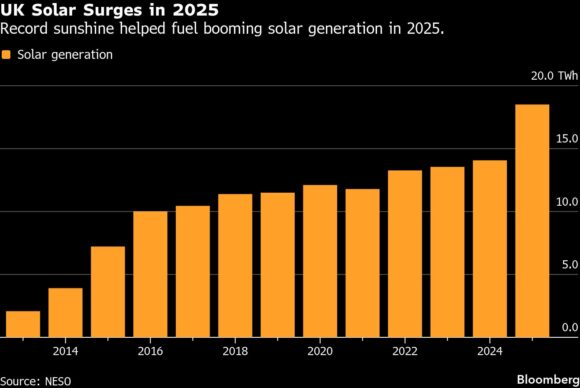
The confluence of heat, persistent sunshine, and the overarching influence of long-term climate change dynamics established the conditions for this exceptional weather year across the UK. By mid-May, the nation was grappling with its driest and sunniest spring in over a century, a critical factor that primed the environment for subsequent heatwaves. Record-warm ocean waters further amplified temperatures leading into the summer months, which subsequently saw multiple heatwaves and an escalated risk of wildfires. Water companies were compelled to implement hosepipe bans to safeguard dwindling reservoir levels as drought conditions firmly took hold across vast swathes of England.
Seasonal transitions through the autumn and winter periods offered some respite to many regions, yet the shadow of drought conditions continues to linger across parts of central England, as substantiated by recent Ofwat data. This persistent dryness highlights the enduring impact of the extreme weather events and the challenges faced by water management authorities. The long-term implications for agriculture, biodiversity, and urban water supply remain a significant concern, requiring adaptive strategies and continued monitoring. Understanding these patterns is crucial for future planning.
Beyond the environmental challenges, the record amount of sunshine proved to be a catalyst for a remarkable boom in solar generation. In 2025, the UK produced more than 18.5 terawatt-hours of solar energy, representing a substantial 30% increase over the preceding year. This figure marks the highest level of solar energy production since record-keeping commenced, according to data released by the National Energy System Operator. This surge underscores the growing viability and adoption of renewable energy sources within the national grid, offering a beacon of hope amidst the climate crisis. The infrastructure for solar power is clearly expanding.
How to reduce energy bills UK households are increasingly seeking sustainable solutions, and solar power presents a compelling answer. UK Energy Minister Michael Shanks highlighted that the record sunshine total illuminates a clear pathway to bolster domestic energy production and, crucially, to bring down the cost of energy bills for consumers. He emphasized solar as one of the most cost-effective forms of power generation available today, underscoring its dual benefit of environmental stewardship and economic relief. The government’s commitment to scaling up solar capacity is a direct response to both climate imperatives and the desire to alleviate financial pressures on families.
Solar power vs fossil fuels UK energy policy is at a crucial juncture, with the government signaling a strong pivot towards renewables. As the nation transitions into 2026, the strategy involves significantly scaling up solar power infrastructure. This ambitious plan aims to shield households from the inherent volatility of fossil fuel markets, which have historically led to unpredictable and often surging energy costs. Furthermore, this strategic shift is central to the broader national effort to effectively tackle the climate crisis, aligning economic stability with environmental responsibility. The investment in solar is a long-term commitment.
UK climate change explained through these recent events demonstrates a clear and present reality, moving beyond abstract scientific models to tangible impacts on daily life. The Met Office’s findings underscore the profound and accelerating shifts in global weather patterns, directly influencing the UK’s climate. This comprehensive understanding is vital for policymakers, businesses, and citizens alike to adapt to new environmental realities and to contribute to mitigation efforts. Education and awareness about these changes are paramount for fostering collective action.
Solar energy for UK homes is becoming an increasingly attractive and accessible option, driven by both environmental consciousness and economic incentives. The sustained increase in sunshine hours and the government’s commitment to renewable energy are making home solar installations more viable. This trend is empowering individual households to contribute to national energy security while simultaneously reducing their carbon footprint and gaining greater control over their energy expenditures. Resources are now widely available for homeowners to explore these options.
Best solar panels UK 2026 discussions are already underway as consumers and businesses look to future-proof their energy solutions. With advancements in technology and increasing demand, the market for solar panels is evolving rapidly, offering more efficient and aesthetically integrated options. Investing in the latest solar technology allows for maximized energy capture and long-term savings, aligning with the UK’s broader renewable energy goals. Researching the most suitable panels for specific needs is a wise step.
Anticipating the UK climate report 2026 provides a forward-looking perspective on the nation’s environmental progress and challenges. These future reports will be critical in assessing the effectiveness of current climate policies and identifying areas where further action is required. They will likely detail ongoing weather pattern analyses, updates on carbon reduction targets, and the impact of renewable energy initiatives. Such comprehensive reporting is essential for maintaining transparency and accountability in the fight against climate change.
The UK weather records update serves as a stark reminder of the urgent need for sustained climate action and a robust transition to renewable energy sources. The unprecedented warmth and sunshine of 2025 are not merely statistics but indicators of a profound environmental transformation. As the UK moves into 2026, the commitment to scaling up solar power is a strategic imperative, promising not only to shield households from volatile fossil fuel markets but also to play a crucial role in tackling the escalating climate crisis. The future of energy in the UK is increasingly powered by the sun, offering a sustainable path forward.








