Europe’s energy landscape is undergoing a dramatic transformation, marked by an unprecedented surge in renewable output that has led to a peculiar phenomenon: negative power prices Europe. This situation, where electricity producers effectively pay consumers to take power off the grid, highlights a critical collision between rapid green energy expansion and existing infrastructure limitations. Countries like Germany and Spain have experienced these sub-zero prices with increasing frequency, signaling a significant shift in the continent’s energy market dynamics and posing both challenges and novel opportunities for stakeholders across the industry.
What are negative electricity prices? Negative electricity prices occur when there is an oversupply of power on the grid, typically from renewable sources like wind and solar, coupled with low demand. This imbalance forces producers to pay grid operators or consumers to offload excess energy, preventing system overload and maintaining stability.
How do negative power prices work? When strong winds blow relentlessly or abundant sunshine floods the system with solar power, the sheer volume of renewable generation can overwhelm the grid’s capacity, especially during periods of low industrial or residential demand. Grid operators, tasked with maintaining system balance and preventing blackouts, sometimes resort to negative pricing as a mechanism to incentivize consumption or reduce generation. This pushes the market price of electricity below zero, creating a unique economic signal for the entire Europe energy market guide.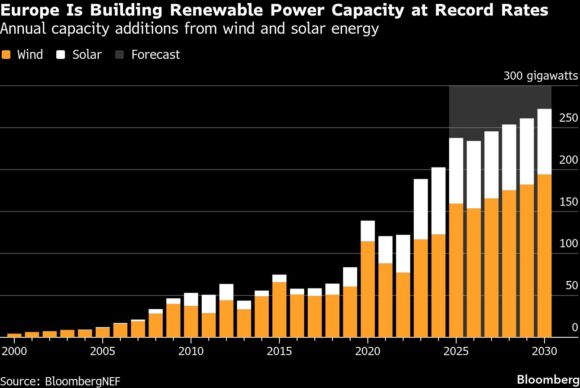
The growing frequency of these negative electricity prices is reshaping Europe’s power markets, creating a complex environment for renewable developers. While the push for green energy continues, prolonged periods of sub-zero pricing can significantly squeeze revenues for these companies, impacting their profitability and investment outlook. This financial pressure underscores the need for more sophisticated market mechanisms and infrastructure to fully integrate intermittent renewable sources.
Conversely, these volatile conditions have created fresh opportunities for agile market players. Trading houses, for instance, are increasingly betting on advanced solutions like battery storage systems. They strategically buy electricity when prices fall below zero, effectively getting paid to store energy, and then sell it back to the grid during periods of scarcity when prices spike. This strategy allows them to profit handsomely from the widening price swings caused by the weather-driven nature of renewable supply, a key aspect of understanding the dynamics of negative power prices Europe.
One of the most pressing issues highlighted in recent European power grid news is the lagging pace of infrastructure upgrades. Despite the rapid expansion of renewable capacity, the development of robust transmission lines to move electricity efficiently to where it is needed, along with sufficient battery storage vs grid upgrades to hold excess power for later use, has struggled to keep pace. This bottleneck exacerbates the problem of oversupply in certain regions while others face shortages, illustrating a crucial imbalance that contributes to negative electricity prices.
Even with the remarkable growth of renewables, fossil fuels remain a critical, albeit diminishing, part of the power system in Europe. They provide essential backup when wind and solar output falter due to calm weather or darkness. During these periods, the scarcity of renewable power can cause prices to spike sharply, revealing the continued reliance on traditional energy sources to ensure grid stability and meet peak demand. This dynamic adds another layer of complexity to the overall Europe energy outlook 2026.
Limited transmission capacity, insufficient storage, and a lack of flexible demand mean that the weather dependence of renewables is translating into a persistent pattern: more frequent sub-zero prices during oversupply, alongside steeper price surges when supply tightens. This trend is expected to continue, as indicated by the Europe energy outlook 2026. Experts predict that the drive for more renewables will meet slowly returning power demand and an increased potential for gas and coal in some markets to meet additional load, sustaining these significant price spreads. This situation is a key challenge for renewable energy for beginners Europe.
Addressing these challenges requires a multi-faceted approach. Significant investment in grid modernization, enhanced energy storage solutions, and the development of more flexible demand-side management programs are crucial. For those seeking to understand the complexities, a renewable energy for beginners Europe approach emphasizes the need for a holistic view of the energy ecosystem, not just generation. Recent Germany electricity prices update headlines underscore the urgency, as the country continues to lead in renewable integration but also faces the most pronounced effects of these market dynamics, including recurrent negative power prices Europe.
Looking ahead, the renewable energy trends 2026 suggest continued expansion, but also a sharper focus on managing intermittency. The debate around solar vs wind energy challenges will evolve, focusing on how these complementary sources can be optimally integrated with storage and smart grids. The goal is to build a resilient and efficient energy system that can harness the full potential of renewables without destabilizing the market or burdening consumers with overly frequent negative electricity prices.
In conclusion, the phenomenon of negative power prices Europe is a clear indicator of the rapid progress in renewable energy adoption, but also a stark reminder of the infrastructure and market adjustments still required. While presenting short-term revenue challenges for some, it simultaneously fosters innovation in storage and trading. Navigating this new energy landscape effectively will be crucial for Europe to achieve its ambitious climate goals while ensuring a stable and affordable power supply for its citizens and industries.




!['I've not been accountable with resources given to me' - Harrison Gwamnishu tenders public apology [VIDEO]](https://samony.com.ng/wp-content/uploads/2026/01/Ive-not-been-accountable-with-resources-given-to-me-300x180.jpg?lm=695B7F9A "Why Harrison Gwamnishu Apologized: Key Accountability Insights")